








تطبيقات صفائح الأكريليك: الابتكارات والتحولات الصناعية
مقدمة تُعد صفائح الأكريليك، التي تتميز بنقائها البصري (92%) وتعدد استخداماتها، ثورة في الصناعات بدءًا من صناعة الطيران وحتى الرعاية الصحية. ومن المتوقع أن يشهد السوق العالمي...
Choose clear acrylic sheet thickness using the panel size, open span, supports, load, and fit. Then check the allowed range for the quoted sheet; its size label alone cannot prove it will suit the job.
A thicker panel can still be the wrong purchase if it won’t fit the frame. This can start when a drawing calls for an inch size and the order swaps it for a nearby metric label. The names may look much the same, yet the parts may fail to fit.
You need a spec that buyers, the shop, and the receiving team can all read in the same way. This guide explains clear سمك لوح الأكريليك with exact inch-to-mm values, named maker tolerance tables, load checks, and a record of the size readings. It also shows what to send when you ask for a quote.
This matters for both cast acrylic and extruded acrylic. Each grade still needs a stated thickness tolerance. Each example names its maker, and the order checklist shows which JRT details need to be checked in writing.
النقاط الرئيسية
- An exact 1/8 inch equals 3.175 mm; a 3 mm stock label is a different spec.
- واضح لوح أكريليك thickness has three separate descriptions: nominal size, allowed range, and measured value.
- A thickness tolerance belongs to the named product and spec, including cast acrylic and extruded acrylic grades.
- Span, support, load spread, and acceptable deflection must be known before selecting a loaded panel.
- JRT’s clear-sheet detail lists 1–50 mm; confirm the specific grade, acceptance limits, and stock status before ordering.
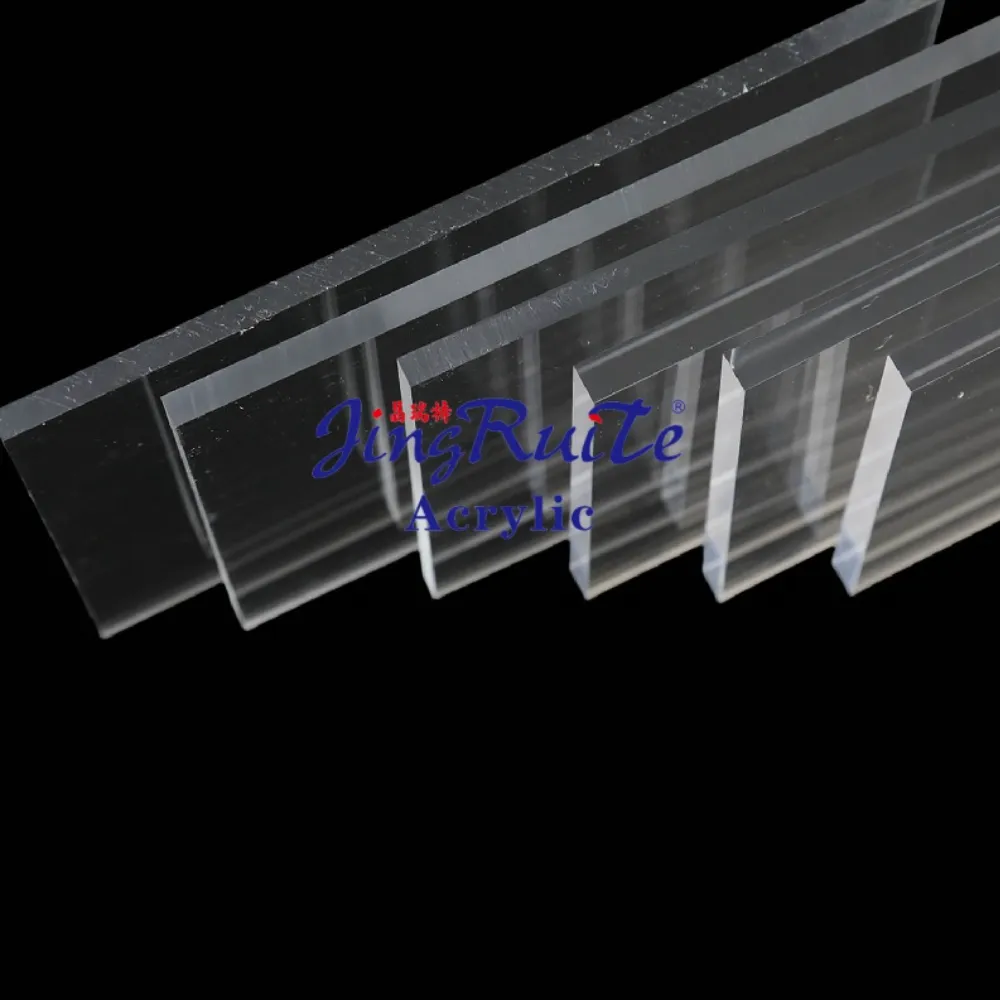
An inch is exactly 25.4 mm. Multiply an inch measurement by 25.4 to convert it; divide a millimeter measurement by 25.4 for inches. This math gives a size. It does not describe a seller’s stock or thickness tolerance.
This clear acrylic sheet thickness table gives exact inch-to-mm values only. A nearby metric stock size still needs to be checked against the inch spec.
| Exact inch size | Exact millimeter size |
|---|---|
| 1/16 بوصة | 1.5875 ملم |
| 1/8 بوصة | 3.175 ملم |
| 3/16 بوصة | 4.7625 ملم |
| 1/4 بوصة | 6.35 ملم |
| 3/8 inch | 9.525 mm |
| 1/2 بوصة | 12.7 ملم |
| 1 بوصة | 25.4 ملم |
For broader material and finish choices, Explore JRT acrylic sheet options in the buying guide before narrowing the spec.
Shops can group nearby nominal sizes under well-known inch labels. For a sheet called 1/8 inch, check its decimal size and allowed range. Check the written spec for cast acrylic or extruded acrylic before approving a swap.
Illustrative scenario: Alex’s framed print.
Alex is preparing a 200 × 300 mm cover and sees both 3 mm and 1/8-inch listings. They calculate that exact 1/8 inch is 3.175 mm, a difference of 0.175 mm. Alex keeps the original drawing units and asks for the sheet’s allowed range and frame clearance before ordering. Alex now has a clear question to send with the order.
When discussing clear acrylic sheet thickness across sellers, retain these three fields:
The nominal clear acrylic sheet thickness is the size on its label. Thickness tolerance sets the allowed range. Measured thickness is the reading at a set point, taken by the agreed method.
For clear acrylic sheet thickness, all three matter. A sheet can meet its seller’s spec and still fail to fit a part that needs a tighter range. Name the relevant cast acrylic or extruded acrylic grade before comparing offers.
ACRYLITE publishes separate cast acrylic thickness limits and extruded acrylic thickness limits. These examples preserve the units and product scope of those tables:
| Maker and product scope | Published nominal size | Published allowed range |
|---|---|---|
| ACRYLITE cast acrylic products covered by the cited table | 3.0 ملم | 2.3–3.7 ملم |
| ACRYLITE cast acrylic products covered by the cited table | 6.0 ملم | 5.0–7.0 ملم |
| ACRYLITE listed extruded acrylic products, including Premium (FF) | 0.236 inch, labeled 6.0 mm | 0.224–0.248 بوصة |
These ACRYLITE specs apply to the listed grades. They are not JRT limits or a fixed percent for all brands. The extruded table’s metric label is nominal; 0.236 inch is not exactly equal to 6.0 mm.
The cited examples show different allowed ranges for cast acrylic and extruded acrylic products. That does not prove that all extruded acrylic will fit your part. Ask for the grade sheet that goes with the quote.
Use this thickness tolerance review before selecting clear acrylic sheet thickness:
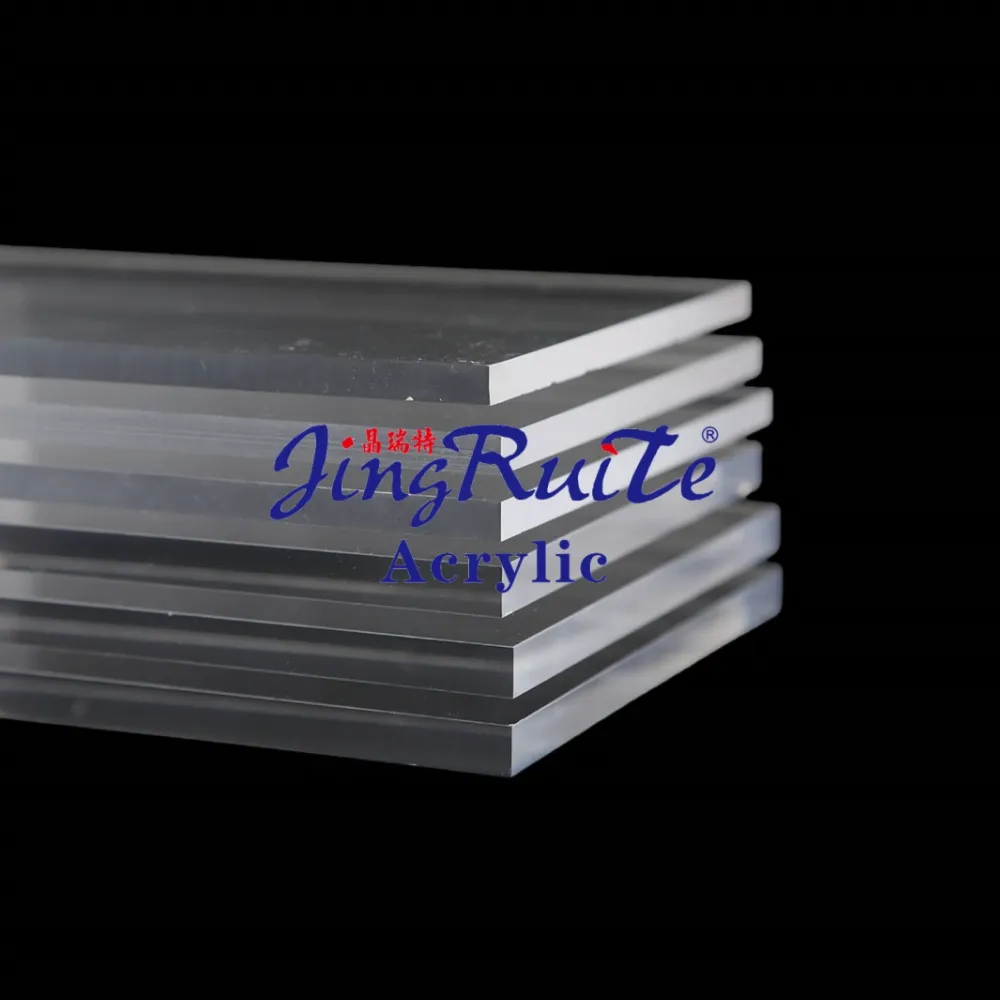
A cover held around its edges and a shelf supported at two ends are different designs. Choosing clear acrylic sheet thickness from the name of a use alone leaves out facts that affect bending and fit.
Start with the open span: the gap between supports where the sheet is free to bend. Then state where the load acts and how long it stays. Deflection is the amount the sheet bends from its starting shape. If it sags too far, it can fail to do its job even though it has not broken.
The ACRYLITE uniform-load model illustrates why assumptions matter. It uses a flat rectangular plate held on all four edges, with a load spread over the whole sheet. Its inputs are the open-area sizes. The page says results are most accurate when the bend is less than half the sheet thickness.
Those assumptions do not describe a shelf held on two edges with a heavy object in the center. No calculator result or load rating is supplied here. The design check also needs the stated thickness tolerance for the chosen sheet.
Prepare these inputs before comparing cast acrylic and extruded acrylic for a loaded part:
For an aquarium wall, safety glazing, or a similar critical use, clear acrylic sheet thickness needs a qualified check for that job. A retail size table cannot prove the sheet is fit for those tasks.
Once clear acrylic sheet thickness is specified, agree how it will be checked. Keep the check of the sheet itself apart from the fit test. This applies whether the order is cast acrylic or extruded acrylic.
Use these buyer checks to agree on a method with the seller:
Illustrative scenario: Morgan’s display slot.
Morgan has a drawing with a 6.0 mm slot and a note requesting exact 1/4-inch sheet. The conversion is 6.35 mm, already 0.35 mm above the slot size before any material or machining variation is considered. Morgan asks the designer to resolve the spec and approve a matching sample assembly. The revised drawing becomes the shared reference for that future check.
This is why clear acrylic sheet thickness and slot width must be discussed together. Cast acrylic and extruded acrylic both need a clear fit spec, even when their allowed ranges differ. Keep the approved sample’s ID with the drawing so the next order doesn’t rely on memory.
For supplied finished parts, Discuss your fabrication requirements, including the fit check and required sizes, before approving the production scope.
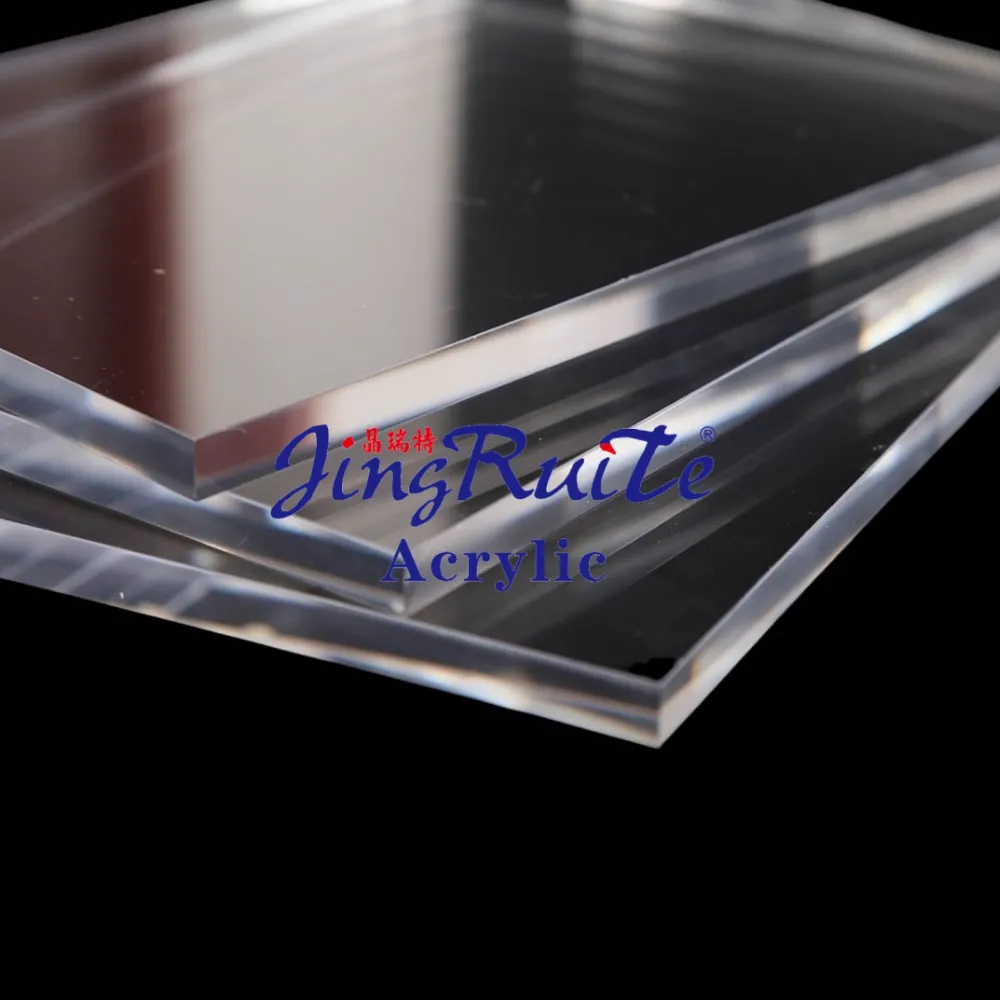
JRT’s current clear acrylic sheet specifications list a 1–50 mm range. That range does not prove that each size is in stock or that one thickness tolerance applies to them all. Confirm the quoted grade, process, stock status, and acceptance limits for your order.
A useful quote request puts clear acrylic sheet thickness in a full description of the part. It tells the seller if you want raw sheet or finished parts.
Send these clear acrylic sheet thickness details together:
Review JRT’s stock and custom order conditions when discussing the count and schedule. Keep a copy of the accepted spec and any approved changes with the purchase order.
Before comparing prices, check the same clear acrylic sheet thickness needs in each offer:
There is no one thickness for all acrylic-sheet uses. Sellers offer different sizes and grades; JRT’s cited clear-sheet detail lists 1–50 mm. Choose clear acrylic sheet thickness from the job details and the offered spec, then check stock. A listed size range does not mean the design is approved or that each size is in stock.
Plexiglass is a common shop term for acrylic sheet. Its material name is PMMA, short for polymethyl methacrylate. Confirm the actual material and grade on the quote. Shops use the term for both cast acrylic and extruded acrylic. The name alone does not tell you the grade or its allowed range.
Start with a seller’s product spec and ask them to confirm your required size and count. For JRT, start with the cited clear-sheet page and its listed 1–50 mm range. Ask for clear acrylic sheet thickness, process, thickness tolerance, and stock status together. A range for a different product does not prove what is offered for this sheet.
An exact 1/4 inch is 6.35 mm, but that size alone cannot establish a load rating. Clear acrylic sheet thickness needs to be checked with size, supports, load spread, time, and allowed bending. Have the right grade checked for the job. The nominal label alone does not prove that a shelf or barrier will work.
They are not the same exact size: 1/8 inch is 3.175 mm. A seller may group nearby nominal sizes under a familiar trade label, but the offered size and thickness tolerance still need approval. Keep the original drawing need and have any proposed swap approved before cutting matching parts.
The slot may match a nominal label but fail to match the actual sheet. Compare the measured sheet, the specified thickness tolerance, and the finished slot sizes. For cast acrylic or extruded acrylic, check the gap the part needs and test a matching sample. There is no single slot allowance to copy for all designs.
The right clear acrylic sheet thickness starts with a clear description of the job. Separate the exact drawing size from a seller’s nominal label, then compare the offered minimum and maximum with the assembly. Keep the original units visible through buying, fabrication, and checks.
For loaded panels, define the span, supports, load spread, and acceptable bending before selecting a size. The grade’s stated range and an agreed way to measure it make the later checks clearer. Keep the approved sample as a shared reference, with its ID and the right drawing revision attached to the order.
Bring those details together before requesting prices or approving a substitute. State whether you want sheet supply or finished parts, and ask for written approval of the proposed spec. This gives everyone a common basis for the next decision.
Send JRT your thickness specification with the sizes, units, drawing revision, count, and intended use. Ask the team to confirm the proposed clear acrylic sheet thickness and agreed order needs.
 15سبتمبر
 15سبتمبر
 17أكتوبر
 23أكتوبر