¿Qué es la lámina acrílica espejada? Ventajas, aplicaciones y guía de compra
Cualquiera que haya consultado el precio de instalar un espejo que ocupe toda una pared sabe cuáles son las desventajas que conlleva el cristal: el peso, el equipo de instalación y la responsabilidad civil en caso de que se rompa. Las láminas acrílicas con efecto espejo existen precisamente para resolver ese problema: ofrecen un auténtico acabado de espejo sin la mayoría de los inconvenientes del cristal, razón por la cual se han convertido en una especificación estándar en el diseño de interiores, los escaparates comerciales y la señalización. A continuación explicamos qué es realmente este material, cómo se fabrica y dónde se puede utilizar.
¿Qué es una lámina acrílica espejada y cómo se fabrica?
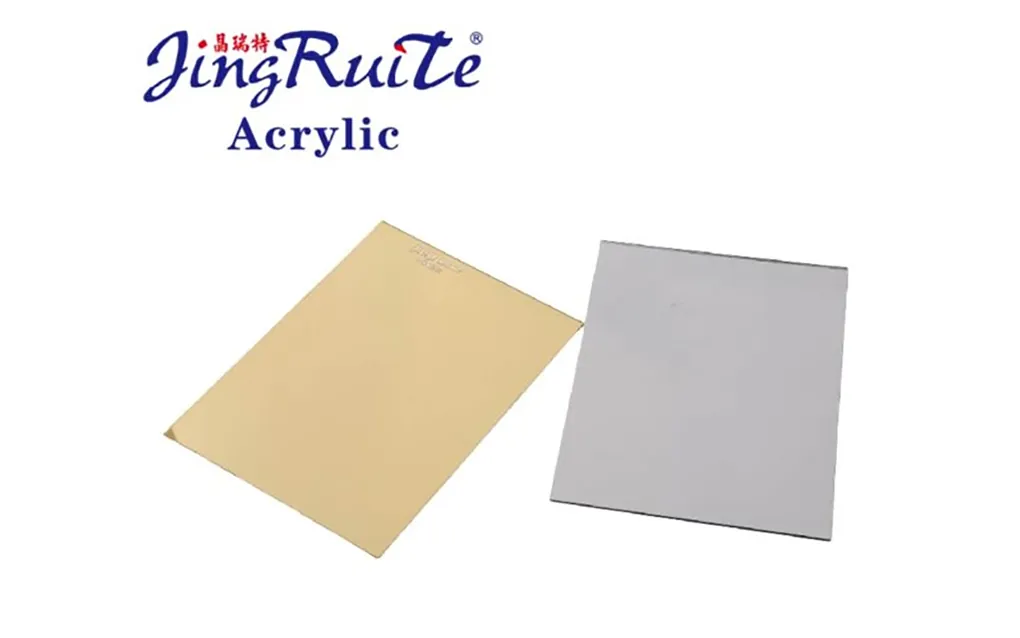
En esencia, se trata de una lámina de PMMA (polimetilmetacrilato) de grado óptico —el mismo polímero base que se utiliza en los acristalamientos acrílicos de alta transparencia— a la que se le ha dotado de una superficie reflectante mediante metalización al vacío. En este proceso, el sustrato acrílico se coloca en una cámara de vacío donde se deposita uniformemente una fina capa de metal reflectante sobre una de sus caras. A continuación, se aplica un revestimiento protector sobre esa capa metalizada para protegerla contra la oxidación y la entrada de humedad, y se coloca una película de PE desprendible sobre la cara frontal para proteger la propia superficie espejada durante el transporte, la manipulación y la fabricación.
El resultado es un panel que presenta una transmitancia de la luz superior al 92% y una reflectividad de 90%+, valores tan cercanos a los del vidrio que la diferencia pasa desapercibida en la mayoría de las condiciones de visión cotidianas, mientras que pesa aproximadamente la mitad, con una densidad de 1,2 g/cm³, y que resiste los impactos unas 17 veces mejor que el cristal de tamaño comparable.
Espejos acrílicos frente a espejos de cristal: comparación de prestaciones
A la hora de elegir una superficie de espejo, en la mayoría de los proyectos hay que decidirse entre dos materiales que, a primera vista, parecen prácticamente idénticos: el cristal tradicional o lámina acrílica espejo. La diferencia visual es mínima. Las diferencias prácticas —en cuanto a peso, seguridad, fabricación y mantenimiento a largo plazo— son las que realmente determinan la decisión.
Factor
Espejo acrílico
Espejo de cristal
Peso
Densidad de 1,2 g/cm³: aproximadamente la mitad del peso del vidrio
Densidad de aproximadamente 2,5 g/cm³ — aproximadamente el doble de denso
Resistencia a los impactos
Aproximadamente 17 veces más resistente a los golpes; se rompe en trozos romos en lugar de en fragmentos afilados
Se rompe en fragmentos afilados al chocar
Claridad óptica
Transmitancia de la luz ≥92%, reflectancia ≥90%
Tradicionalmente, el referente en cuanto a nitidez; ligeramente más nítida en una comparación directa
Fabricación in situ
Corta, perfora, graba con láser y termoforma con herramientas estándar
Requiere equipo especializado para cortar vidrio y un cristalero profesional
Resistencia a los arañazos
Superficie más blanda; puede rayarse en caso de contacto abrasivo
Superficie más dura; mayor resistencia a los arañazos
Instalación
Su menor peso permite un montaje más sencillo (con cinta adhesiva o tornillos) y requiere menos mano de obra
Más pesado; suele requerir un hardware más robusto y un mayor número de instaladores
Ideal para
Instalaciones con mucho tráfico, en las que la seguridad es fundamental o con formas personalizadas
Instalaciones en las que se da prioridad a la máxima claridad óptica y a la durabilidad de la superficie, y en las que el riesgo de rotura es bajo
El patrón que se observa es bastante constante: el acrílico para espejos destaca en cuanto a peso, seguridad y flexibilidad de fabricación, mientras que el vidrio mantiene una ligera ventaja en resistencia a los arañazos y, en determinadas condiciones de visión, en precisión óptica. Ninguno de los dos materiales es objetivamente “mejor”: la elección adecuada depende del uso que se le vaya a dar al espejo. Una pared de un estudio de danza, una plataforma expositora en una tienda o un letrero con forma personalizada sacan partido de las ventajas del acrílico. Sin embargo, para un espejo de tocador de alta gama que se limpiará a diario con materiales abrasivos, o para una aplicación en la que la precisión óptica absoluta sea más importante que el peso, puede que el cristal siga siendo la mejor opción.
Aplicaciones de las láminas acrílicas espejadas
La combinación de estética, seguridad y versatilidad hace que el lámina acrílica espejo un material de referencia en diversos sectores.
Decoración de interiores y diseño arquitectónico
En la renovación de viviendas, se utiliza en puertas de armario con espejos, espejos de baño, espejos de cuerpo entero y paneles decorativos de pared: en cualquier lugar donde el peso y el riesgo de rotura del cristal compliquen una instalación «hazlo tú mismo» o que requiera una ejecución rápida. En el ámbito comercial, es habitual en la decoración de los vestíbulos de los hoteles, en los espejos de los probadores de los centros comerciales y en las paredes de espejos de las peluquerías, donde es necesario instalar rápidamente grandes superficies espejadas que sean seguras en zonas de mucho tránsito. Los estudios de danza y los gimnasios lo utilizan por la misma razón, pero a mayor escala: instalaciones de espejos que cubren toda la pared, en las que la rotura de un panel de cristal en plena clase supondría un auténtico incidente de seguridad.
Expositores para tiendas y señalización comercial
Los expositores de los mostradores de cosméticos y las bases de las vitrinas de joyería aprovechan la superficie reflectante para que los productos destaquen visualmente bajo la iluminación de las tiendas, mientras que las letras espejadas retroiluminadas y los letreros tridimensionales espejados aprovechan la flexibilidad de fabricación del material, ya que puede cortarse con precisión en formas de letras y figuras que el vidrio macizo no puede igualar fácilmente. También se utiliza en atrezo promocional y para eventos temporales, donde su menor peso simplifica el montaje y el desmontaje.
Aplicaciones industriales y especializadasapp
El acrílico para espejos convexos se utiliza en espejos de seguridad vial y en espejos de aparcamientos, donde la resistencia a los impactos, a las inclemencias meteorológicas y al contacto ocasional con vehículos es más importante que en un entorno interior. Entre sus usos industriales se incluyen los reflectores y las ventanas de observación en equipos en los que la resistencia a los impactos y a los productos químicos son factores relevantes. En el ámbito del arte y la escenografía, los escultores y escenógrafos lo utilizan para instalaciones y atrezo, donde su combinación de maleabilidad y reflectividad permite crear formas que el vidrio espejado no puede lograr.
Especificaciones técnicas
Una vez identificada la aplicación adecuada, la siguiente pregunta suele ser de carácter práctico: ¿se ajusta realmente al proyecto un espesor y un tamaño de lámina concretos? Las especificaciones pueden variar ligeramente según el fabricante. La tabla siguiente resume las características técnicas de nuestro espejo Lámina acrílica línea.
Parámetro
Valor
Espesor
1,8 mm – 10 mm
Tamaño estándar de la hoja
1220 × 2440 mm / 1500 × 3000 mm
Densidad
1,2 g/cm³
Transmitancia de la luz
≥92%
Reflectividad
≥90%
Temperatura de funcionamiento
-40°C a 80°C
Vida útil
10 años en interiores / 5 años en exteriores
Una vez decididos el grosor y el tamaño del panel, la única cuestión pendiente es cómo se instala realmente la lámina; eso lo veremos a continuación.
Instalación, limpieza y mantenimiento
Los métodos de instalación varían en función del tamaño del panel y de su aplicación: la cinta adhesiva de doble cara es adecuada para paneles más pequeños y ligeros; la fijación con tornillos o el montaje en marco resultan más adecuados para instalaciones de mayor tamaño en las que es importante garantizar la seguridad estructural a largo plazo. Como práctica habitual en todos los productos de espejos acrílicos, conviene comprobar primero la compatibilidad del adhesivo en una pieza de prueba, ya que algunos adhesivos pueden reaccionar mal con el sustrato acrílico con el paso del tiempo.
Para la limpieza, basta con un paño suave humedecido con agua o un detergente neutro para el mantenimiento habitual. Se debe evitar el uso de alcohol y otros disolventes orgánicos, ya que con el tiempo pueden degradar el recubrimiento reflectante o la propia superficie acrílica; por la misma razón, también se debe evitar la exposición prolongada a ácidos o álcalis fuertes. La lámina protectora de PE debe permanecer en su sitio durante la manipulación, el corte y la instalación, y solo debe retirarse como paso final; si se retira antes de tiempo, la superficie del espejo queda expuesta a arañazos durante el resto del proceso de instalación.
Preguntas más frecuentes (FAQ)
Pregunta 1: ¿En qué se diferencia de un espejo de cristal para montar en la pared?
R: En la mayoría de las instalaciones fijas en pared, el acrílico para espejos ofrece una ventaja real en cuanto a peso y seguridad frente a roturas, y es más fácil de cortar a medida in situ. La principal desventaja es la resistencia a los arañazos: el acrílico es más blando que el cristal, por lo que resulta más adecuado para instalaciones en las que no se realice una limpieza abrasiva frecuente.
Pregunta 2: ¿Se puede utilizar al aire libre?
R: Sí. Las formulaciones estabilizadas frente a los rayos UV resisten el amarilleamiento en condiciones de exposición al aire libre. Sin embargo, la vida útil en exteriores suele ser de unos 5 años, frente a los 10 años en interiores, dependiendo de las condiciones de exposición.
Pregunta 3: ¿Se necesita algún adhesivo especial para su instalación?
R: Se recomienda comprobar la compatibilidad del adhesivo antes de realizar la instalación completa, ya que es posible que algunos adhesivos no ofrezcan un buen rendimiento a largo plazo sobre superficies acrílicas. Para la mayoría de las aplicaciones en pared, se suele utilizar cinta de montaje de doble cara o fijación con tornillos.
Pregunta 4: ¿Se puede cortar o dar forma para un proyecto a medida?
R: Sí. Permite realizar cortes con una precisión de aproximadamente ±0,5 mm, además de taladrado, grabado láser y termoformado, por lo que resulta adecuado tanto para paneles planos como para diseños con formas personalizadas.
Pregunta 5: ¿Cómo se protege la superficie del espejo antes de su instalación?
R: Cada lámina se envía con una película protectora de PE en la superficie frontal para evitar arañazos y la acumulación de polvo durante el transporte, la manipulación y la fabricación. La película solo debe retirarse una vez finalizada la instalación.
Pregunta 6: ¿Cuál es la forma más segura de limpiarlo?
R: Utiliza un paño suave humedecido con agua o un detergente neutro. Evita los limpiadores a base de alcohol o disolventes orgánicos, ya que con el tiempo podrían dañar el revestimiento reflectante.
Conclusión
La lámina acrílica de efecto espejo no es un sustituto directo del cristal, sino un material diseñado teniendo en cuenta unas prioridades diferentes. En la mayoría de las instalaciones modernas, esa compensación juega a su favor.
La mera reducción de peso amplía las posibilidades tanto estructurales como económicas. Las paredes de espejos a gran escala en hoteles, establecimientos comerciales y gimnasios pueden instalarse más rápidamente y con menos refuerzos estructurales que el vidrio. Su resistencia a los impactos también lo convierte en una opción más segura en espacios públicos, colegios y zonas con mucho tránsito de personas, donde el riesgo de rotura es una preocupación fundamental.
El vidrio sigue teniendo su lugar en aquellas aplicaciones en las que la dureza de la superficie y la máxima resistencia a los arañazos son más importantes que la flexibilidad de instalación. Sin embargo, para la mayoría de las aplicaciones en interiores, comerciales y de señalización, el acrílico espejado ofrece un equilibrio más práctico entre seguridad, ligereza y versatilidad en la fabricación.
Si está valorando la posibilidad de utilizar acrílico espejado para un proyecto concreto, las especificaciones técnicas anteriores le servirán de punto de partida. Para obtener recomendaciones detalladas adaptadas a su aplicación, póngase en contacto con nuestro equipo para determinar el grosor y la configuración más adecuados.
Introducción Las planchas acrílicas, apreciadas por su claridad óptica (transmisión de luz 92%) y versatilidad, están revolucionando sectores que van desde el aeroespacial hasta el sanitario. Con un mercado mundial...
Introducción Las planchas de cloruro de polivinilo (PVC) son un elemento básico en la construcción, la sanidad y la electrónica debido a su durabilidad, resistencia química y rentabilidad. El mercado mundial del PVC...
En aplicaciones en las que la seguridad, la belleza y la durabilidad son esenciales, hay un material que destaca: la plancha acrílica ignífuga. Para proyectos en edificios, transportes públicos o...
Al planificar la reforma de un cuarto de baño, es muy importante elegir los materiales adecuados para conseguir la integración de estética, durabilidad y funcionalidad. Entre los principales...