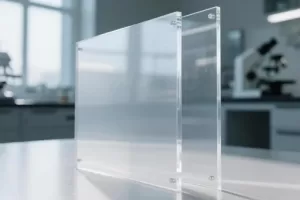
Comment choisir la plaque de miroir en acrylique adaptée à votre projet ? Guide d'achat complet
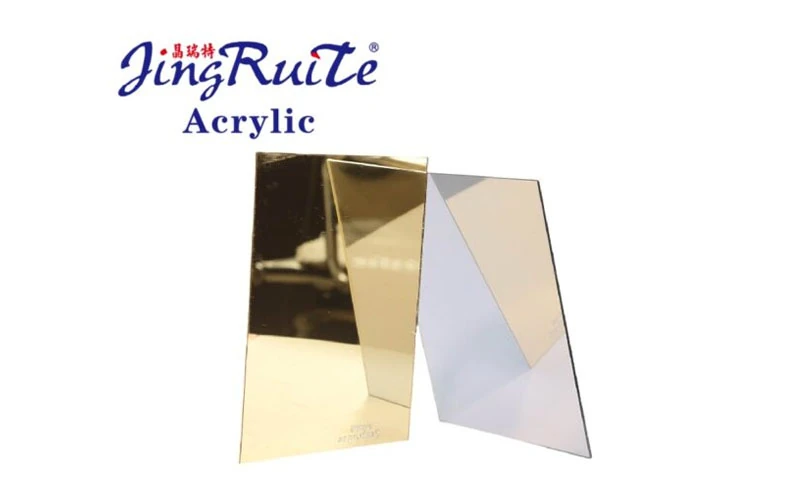
Les matériaux réfléchissants sont largement utilisés dans les projets commerciaux, architecturaux et industriels, chaque application exigeant des caractéristiques de performance spécifiques. Les miroirs en verre offrent une excellente réflexion, mais leur poids, leur fragilité et les contraintes liées à leur installation peuvent poser des difficultés dans certains environnements. En tant qu’alternative légère et résistante aux chocs, les plaques acryliques miroirs sont de plus en plus utilisées dans les projets où la sécurité, l’efficacité et la flexibilité de conception sont primordiales.
Poussé par la demande croissante de miroirs en PMMA (polyméthacrylate de méthyle) de qualité optique, le marché mondial continue de se développer dans divers secteurs. Cet article examine les facteurs clés à prendre en compte lors du choix d'un Feuille acrylique miroir fournisseur, notamment la qualité des matériaux, les performances techniques, les capacités de transformation, les options de personnalisation et les exigences en matière d'approvisionnement.
Pourquoi les plaques de miroir en acrylique conviennent-elles à différents projets ?
Conception légère pour faciliter le transport et l'installation
L'un des principaux avantages d'un en miroir feuille acrylique est sa structure à la fois légère et résistante, qui facilite sa manipulation, son installation et son utilisation dans diverses applications. Avec une densité de 1,2 g/cm³ exactement, il pèse moins de la moitié du verre de silice traditionnel. Pour les projets industriels de grande envergure — tels que les murs miroirs de studios de danse, les stands d’exposition et les halls d’hôtel —, cette réduction de poids du 50% minimise les charges permanentes exercées sur les plafonds et les supports muraux. De plus, elle réduit les coûts de transport, simplifie la manutention des matériaux sur site et élimine le recours à des systèmes d’ancrage lourds.
Une résistance aux chocs pour des applications plus sûres
Dans les infrastructures publiques et les zones à forte fréquentation, il est essentiel de réduire au minimum les risques liés aux bris accidentels. Les panneaux de miroir en acrylique offrent une résistance aux chocs environ 17 fois supérieure à celle du verre flotté standard de même épaisseur. En cas de choc mécanique extrême, acrylique incassable Il ne se brise pas en éclats tranchants comme des lames de rasoir ; au contraire, il conserve sa structure globale ou se fend en gros fragments émoussés. Ce mode de rupture spécifique contribue à réduire les risques pour la sécurité dans les lieux publics et convient particulièrement aux applications où le respect des normes applicables aux établissements institutionnels et des exigences en matière de sécurité publique est un critère essentiel.
Capacité de traitement sur mesure pour des applications flexibles
Plaques d'acrylique miroir sont plus faciles à personnaliser que les matériaux en verre traditionnels. Lors de leur fabrication, elles peuvent être façonnées en différentes formes et dimensions grâce à des opérations de découpe, de perçage, de cintrage et de thermoformage. Ces possibilités de transformation font des plaques acryliques miroir un matériau idéal pour des applications telles que les présentoirs sur mesure, la décoration d'intérieur et les installations créatives.
Quels sont les critères à prendre en compte lors du choix d'une plaque de miroir en acrylique ?
Choisissez l'épaisseur adaptée en fonction des exigences de l'application
L'épaisseur est l'un des premiers facteurs à prendre en compte lors du choix d'une plaque d'acrylique miroir. Les exigences en matière d'épaisseur dépendent principalement de la taille et de l'environnement d'installation. Les applications de petite taille peuvent souvent utiliser des plaques d'acrylique miroir plus fines. Pour les panneaux plus grands, on privilégie généralement une option plus épaisse afin d'améliorer la résistance et de réduire le risque de déformation.
1,8 mm – 3,0 mm : couramment utilisées pour les petits objets tels que les présentoirs de cosmétiques, les présentoirs de bijoux et les panneaux décoratifs. Ces feuilles sont généralement posées sur un support rigide afin d'offrir un soutien supplémentaire.
4,0 mm – 5,0 mm : Convient aux applications de taille moyenne telles que les enseignes de commerce, les présentoirs d'exposition et la décoration d'intérieur ; offre une meilleure stabilité que les plaques plus fines tout en restant facile à manipuler.
6,0 mm ou plus : recommandé pour les applications de grande envergure, notamment les miroirs muraux, les enseignes extérieures et les espaces publics. Cette épaisseur accrue offre un meilleur maintien et permet à la feuille de conserver une surface plus plane lors d'une utilisation à long terme.
Vérification de la réflectivité et des performances optiques
Les plaques acryliques miroir haut de gamme sont fabriquées à partir de résines PMMA vierges de qualité optique supérieure, qui présentent une transmittance lumineuse supérieure à 92% avant revêtement. Une bonne plaque acrylique miroir doit offrir un reflet clair et uniforme après revêtement. Il est recommandé d'examiner des échantillons du produit avant de passer commande afin de détecter d'éventuels défauts de surface ou irrégularités de revêtement susceptibles d'altérer l'aspect final.
Évaluer la résistance aux chocs et les exigences de sécurité
Dans les environnements difficiles ou les établissements à haute sécurité — tels que les cliniques de santé mentale, les prisons, les écoles et les centres de transit —, les propriétés mécaniques du matériau doivent être entièrement certifiées. L’acrylique incassable utilisé dans ces environnements doit offrir une protection fiable contre les chocs et répondre aux spécifications de sécurité requises. La structure en acrylique contribue à absorber les forces d’impact et réduit le risque de fissures dangereuses.
Vérifier la résistance aux rayures et la durée de vie
Les surfaces en PMMA standard peuvent présenter de légères rayures au fil du temps, notamment en cas de nettoyage fréquent ou de manipulations répétées. Pour les applications impliquant des contacts fréquents, telles que les présentoirs commerciaux ou les équipements destinés au public, acrylique résistant aux rayures Cela permet de conserver un aspect plus propre et de prolonger la durée de vie du produit. Les principaux fabricants appliquent un revêtement dur anti-rayures à base de silicone, optiquement transparent, via un procédé de revêtement en flux continu. Ce revêtement dur augmente la dureté de la surface et offre des propriétés anti-graffiti, permettant au miroir de résister aux nettoyants chimiques agressifs et aux marqueurs de graffiti sans jaunir tout au long de sa durée de vie (estimée à 10 ans en intérieur et 5 ans en extérieur).
Examen des exigences en matière de traitement et de personnalisation
Lors du traitement des plaques acryliques miroirs, il ne faut pas négliger la qualité du revêtement de protection. Ce revêtement contribue à protéger la couche miroitante contre les dommages pouvant survenir lors de la découpe, du façonnage et des autres étapes de fabrication. Si le revêtement n'est pas suffisamment stable, la découpe au laser ou le fraisage peuvent entraîner des problèmes au niveau des bords.
Plaque acrylique miroir ou miroir en verre : les principales différences à prendre en compte
Caractéristiques techniques
Plaque d'acrylique miroir (PMMA)
Miroir traditionnel en verre flotté
Densité / Poids
1,2 g/cm³ (environ 50% plus léger que le verre)
2,5 g/cm³ (lourd et rigide)
Résistance aux chocs
17 fois plus résistant que le verre ; résistance aux chocs
Valeur de référence (1×) ; très cassant
Transmittance de la lumière
Plus de 92% (polymère de base brut)
85%–90% (Teinte verte standard)
Échelle de réflectivité
Plus de 90% (métallisation sous vide)
92%–95%
Dureté de la surface
2H–3H (standard) ; plus élevé avec un revêtement anti-rayures
5,5H–6H (équivalent sur l'échelle de Mohs)
Méthodes de fabrication
Découpe au laser, fraisage CNC, pliage, thermoformage
Découpe à la meule diamantée et meulage humide uniquement
Risque pour la sécurité
Faible ; ne produit pas d'éclats tranchants semblables à du verre lorsqu'il est endommagé
Risque élevé de lacérations profondes causées par des éclats de verre
Coût d'installation
Inférieur ; compatible avec le ruban VHB et les cadres légers
Élevé ; nécessite des rails et des systèmes de support structurels robustes
Différences de poids et d'installation
Le poids réduit des miroirs en acrylique peut simplifier les conditions d'installation. À titre de comparaison, un miroir en verre de 6 mm est beaucoup plus lourd, avec un poids d'environ 15 kg/m², ce qui implique généralement des exigences plus strictes en matière de fixation lors de l'installation. Une plaque de miroir en acrylique de 6 mm ne pèse que 7,2 kg/m². L'installation est relativement simple, car les plaques de miroir en acrylique peuvent être fixées à l'aide de ruban VHB ou de matériel de fixation léger, ce qui permet de réduire le temps et les efforts nécessaires sur le chantier.
Avantages des miroirs en acrylique incassable par rapport aux miroirs en verre en matière de sécurité
Dans les lieux publics et les zones à forte fréquentation, il convient de toujours tenir compte de la sécurité des matériaux. Un choc violent peut provoquer la fissuration des miroirs en verre et la projection de fragments coupants. L'acrylique incassable présente moins de risques de ce type, car il résiste mieux aux chocs.
Comprendre les performances de réflexion des miroirs en acrylique et en verre
Les miroirs en verre restent généralement plus rigides sur de grandes surfaces non soutenues en raison de la structure plus résistante de leur matériau. Cependant, lorsqu'une plaque d'acrylique miroitante de 6 mm d'épaisseur est correctement fixée à un panneau de support plat spécialement conçu (comme du MDF usiné par CNC ou des composites d'aluminium), ses performances optiques sont équivalentes à celles du verre à des distances d'observation standard. De plus, le PMMA transparent ne contient aucune impureté ferreuse, ce qui évite la teinte verte du verre standard et garantit un rendu fidèle des couleurs.
Comment choisir des plaques d'acrylique miroir pour différentes applications
Projets de décoration d'intérieur
En matière de décoration d'intérieur, les plaques acryliques miroir sont principalement utilisées dans les endroits où l'esthétique et la sécurité doivent être prises en compte. Les portes de placards, les panneaux de meuble-lavabo et les murs d'accent sont des applications courantes des plaques acryliques miroir. Les plaques acryliques offrent un processus d'installation plus simple que les miroirs en verre et apportent davantage de flexibilité pour répondre aux différentes exigences en matière de décoration d'intérieur. Dans les salles de bains et autres pièces humides, une bonne couche de support permet d'éviter les problèmes liés à l'humidité qui peuvent apparaître sur les bords de la plaque miroir.
Présentoirs commerciaux et de vente au détail
Les enseignes de vente au détail utilisent souvent des miroirs pour mettre en valeur leurs présentoirs et créer un environnement d'achat plus attrayant. On trouve couramment des miroirs en acrylique dans les rayons de cosmétiques, les comptoirs de bijouterie et les présentoirs. Pour les présentoirs utilisés quotidiennement, une surface résistante aux rayures permet de limiter les traces visibles dues aux contacts réguliers et au nettoyage.
Utilisations liées aux espaces publics et à la sécurité
On trouve des miroirs en acrylique dans de nombreux lieux publics, notamment dans les zones où une visibilité accrue est nécessaire. Les miroirs de circulation installés à l'extérieur étant davantage exposés aux intempéries, le matériau utilisé doit pouvoir résister au rayonnement solaire et aux variations climatiques.
Publicité et création graphique
Utilisées pour les logos en 3D, les présentoirs d'exposition et les installations interactives, les plaques d'acrylique miroir offrent des possibilités de mise en œuvre flexibles adaptées à divers besoins en matière de conception. Les lettres en acrylique miroir découpées au laser présentent des bords polis et nets. Associées à des rails LED, les plaques miroir gravées au laser permettent de créer des affichages rétroéclairés très contrastés et accrocheurs.
Comment choisir un fournisseur fiable de plaques acryliques miroir ?
Vérifier la qualité des matériaux et le respect des normes de l'usine
Lors du choix d'un fournisseur de plaques acryliques miroir, il est important de vérifier à la fois les conditions de production et les processus de contrôle qualité. Une usine bien gérée doit disposer de zones de production propres afin de réduire la contamination par la poussière pendant le processus de dépôt par pulvérisation cathodique. Des certifications telles que ISO 9001, CE et RoHS constituent des critères supplémentaires à prendre en compte pour évaluer le contrôle de la production et la conformité des produits d'un fournisseur.
Consultez les services de personnalisation et de traitement
Un fournisseur B2B fiable doit proposer des services en aval clés en main. Outre la fourniture de plaques standard, par exemple aux dimensions 1 220 × 2 440 mm, un fournisseur compétent est en mesure d'offrir des services tels que la découpe CNC, la découpe laser, le polissage des bords et la personnalisation de l'épaisseur en fonction des exigences spécifiques du projet.
Documentation des fournisseurs et contrôles qualité
Les fournisseurs fiables fournissent généralement des fiches techniques des matériaux (MDS) qui contiennent des informations essentielles telles que la tolérance d'épaisseur, les données relatives à la dilatation thermique et des recommandations sur les adhésifs adaptés. L'accès à ces informations permet à l'équipe d'éviter les problèmes liés au choix des matériaux lors des étapes ultérieures de transformation et de pose.
Erreurs courantes à éviter lors de l'achat de plaques d'acrylique miroir
Choix d'une épaisseur incorrecte
L'utilisation de plaques de 2 mm ou 3 mm d'épaisseur pour les grands projets architecturaux peut entraîner une flexion excessive et nuire à la qualité de la surface réfléchissante. Les grands panneaux nécessitent une épaisseur minimale de 5 mm ou 6 mm.
Protection insuffisante contre les rayures
Dans le cadre d'applications commerciales à forte fréquentation, une surface dépourvue de revêtement dur anti-rayures peut présenter des traces d'usure visibles plus rapidement après des nettoyages répétés et une utilisation quotidienne..
Adaptation insuffisante à l'environnement
Les feuilles standard pour rétroviseurs intérieurs ne sont pas conçues pour une utilisation en extérieur. Lorsqu'elles sont utilisées à des fins de communication visuelle en extérieur, les matériaux dotés d'une protection contre les UV et d'un support résistant aux intempéries sont mieux adaptés pour supporter l'humidité et l'exposition au soleil.
Questions fréquemment posées
Q1 : Quelle est la différence entre une plaque de miroir en acrylique et un miroir en verre ?
R : Une plaque de miroir en acrylique pèse deux fois moins lourd que le verre et présente une résistance aux chocs 17 fois supérieure, ce qui la rend extrêmement résistante aux éclats. En revanche, les miroirs en verre offrent une plus grande dureté de surface et une flexion structurelle moindre sur de longues distances sans appui.
Q2 : Les miroirs en acrylique constituent-ils une alternative sûre aux miroirs traditionnels en verre ?
R : Oui. Dans des lieux tels que les écoles, les salles de sport et les établissements de santé, on privilégie les miroirs en acrylique lorsqu'il faut trouver une alternative plus sûre aux miroirs en verre. Contrairement à ces derniers, ils ne se brisent pas en éclats coupants en cas de choc.
Q3 : Comment choisir un fournisseur fiable de plaques acryliques miroir pour des projets sur mesure ?
R : Les projets sur mesure en acrylique miroir nécessitent souvent plus qu’un simple approvisionnement en plaques standard. La qualité finale dépend souvent de la manière dont le fournisseur gère la production, le contrôle qualité et les traitements supplémentaires. Les acheteurs peuvent se référer aux certifications et aux documents techniques pour comparer les fournisseurs dans le cadre de commandes sur mesure.
Le choix d'une plaque miroir en acrylique adaptée est essentiel pour garantir des performances fiables dans différentes applications. Des facteurs tels que la qualité du PMMA, l'épaisseur, la technologie de revêtement et les capacités de fabrication influencent tous le résultat final. Faire appel à un fournisseur expérimenté de plaques miroir en acrylique permet de s'assurer que le matériau répond aux exigences spécifiques du projet, de la personnalisation et de la mise en œuvre jusqu'au contrôle qualité.
Introduction Les plaques acryliques, appréciées pour leur clarté optique (transmission de la lumière 92%) et leur polyvalence, révolutionnent les industries, de l'aérospatiale aux soins de santé. Avec un marché mondial prévu...
Introduction Les plaques acryliques, connues pour leur transparence exceptionnelle (transmission de la lumière 92%) et leur durabilité, sont devenues indispensables dans des secteurs allant de l'architecture à la santé. Avec une...
Introduction Les feuilles de polychlorure de vinyle (PVC) sont un élément essentiel dans les secteurs de la construction, de la santé et de l'électronique en raison de leur durabilité, de leur résistance aux produits chimiques et de leur rapport coût-efficacité. Le marché mondial du PVC...
Dans les applications où la sécurité, la beauté et la durabilité sont essentielles, un matériau se distingue : la feuille acrylique ignifugée. Pour les projets dans les bâtiments, les transports publics ou les...