Акрил или стекло для вывесок: какой материал лучше выбрать?
Введение
Выбор подходящего материала — одно из важнейших решений при разработке проекта вывески. Выбранный материал влияет не только на внешний вид вывески, но и на её долговечность, требования к монтажу, способы обработки и долгосрочные затраты на обслуживание.
Акрил и стекло — два материала, широко используемых в производстве вывесок. Оба материала отличаются превосходной прозрачностью и профессиональным внешним видом, однако они различаются по ударопрочности, устойчивости к воздействию погодных условий, гибкости в обработке и пригодности для различных условий монтажа.
При сравнении акриловый лист против стекла, не существует единого материала, который был бы идеальным для любого проекта по изготовлению вывесок. Оптимальный выбор зависит от таких факторов, как место установки вывески, необходимость печати или гравировки, сложность дизайна и требуемый уровень прочности.
В этой статье объясняются основные различия между акрилом и стеклом при использовании в вывесках и даются рекомендации предприятиям по выбору материала, наиболее подходящего для их проектов.
Акрил, также известный как ПММА (полиметилметакрилат), представляет собой прозрачный термопластичный материал, широко применяемый в изготовлении вывесок, экспозиционных конструкций, систем освещения и архитектурных проектов. Он ценится за оптическую прозрачность, легкость конструкции и гибкость при обработке.
Стекло — это неорганический материал, отличающийся прочностью, высокой твердостью поверхности и превосходным внешним видом. На протяжении десятилетий оно широко используется в архитектуре и коммерческих целях благодаря своей прозрачности, прочности, долговечности и эстетическим качествам.
Для производителей и покупателей вывесок выбор между акрилом и стеклом, как правило, зависит от нескольких ключевых факторов, в том числе ударопрочности, веса, гибкости обработки, устойчивости к воздействию погодных условий и возможностей индивидуальной настройки.
Ударопрочность и долговечность
Долговечность — один из важнейших факторов, которые необходимо учитывать при создании вывесок для использования на открытом воздухе и в местах с высокой проходимостью.
Стекло обладает превосходной жесткостью, но при этом является относительно хрупким. При сильных ударах оно может треснуть или разбиться, что может создавать угрозу безопасности в некоторых общественных или коммерческих помещениях.
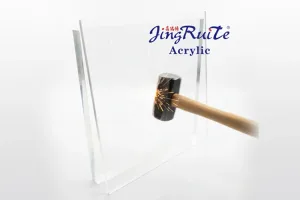
Акрил, в свою очередь, обладает более высокой ударопрочностью по сравнению со стандартным стеклом. Для случаев, когда вывески могут подвергаться случайным ударам, вибрации, нагрузкам при транспортировке или частому перемещению, ударопрочный акрил этот материал может обеспечить дополнительную прочность.
Например, для наружных рекламных щитов, систем ориентации и коммерческих витрин часто требуются материалы, способные сохранять свой внешний вид, выдерживая ежедневные воздействия окружающей среды.
Однако не все акриловые листы обладают одинаковыми эксплуатационными характеристиками. Различные составы, толщина и технологии производства могут влиять на ударную вязкость и долговечность. Поэтому покупателям следует оценивать конкретную марку акрилового листа с учетом требований конкретного применения.
Вес, прозрачность и внешний вид
Вес — ещё одно существенное отличие между акрилом и стеклом.
Стекло тяжелее и, как правило, требует более прочных несущих конструкций, особенно в случае крупноформатных вывесок. Это может усложнить транспортировку и повысить требования к монтажу.
Акрил значительно легче, при этом сохраняя превосходную оптическую прозрачность. A прозрачный акриловый лист может обеспечивать прозрачность, схожую со стеклом, благодаря чему он подходит для применения в тех случаях, когда важны видимость и светопропускание.
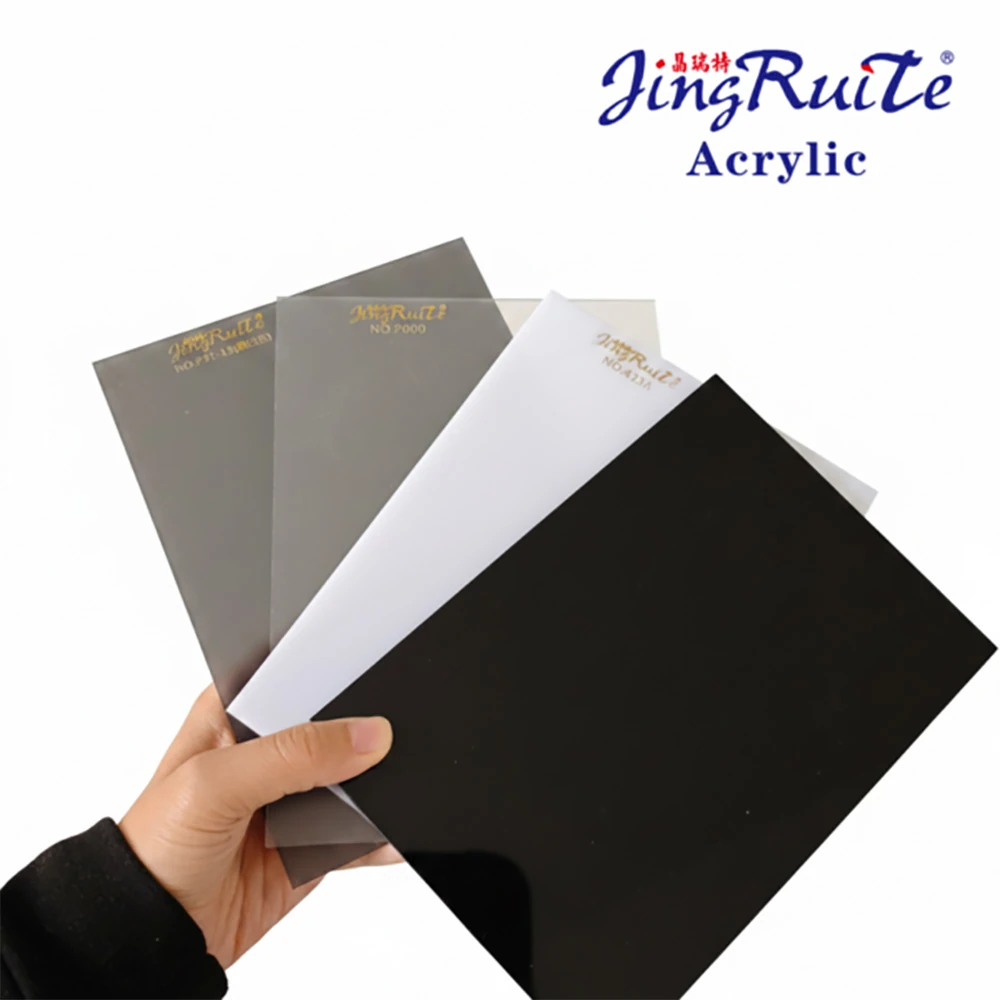
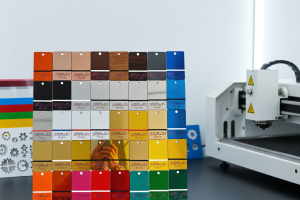
Помимо прозрачных вариантов, акриловые листы также выпускаются в полупрозрачном и непрозрачном исполнении. Эти варианты позволяют дизайнерам добиваться различных визуальных эффектов, таких как световые вывески, лайтбоксы, декоративные витрины и фирменные вывесочные системы.
Для предприятий, которым требуются легкие материалы, предлагающие гибкие возможности дизайна, акрил зачастую является практичной альтернативой стеклу.
Устойчивость к воздействию погодных условий и срок службы
Материалы для наружной рекламы должны выдерживать постоянное воздействие солнечных лучей, перепады температур, влагу и загрязнения окружающей среды.
Стекло, как правило, обладает высокой атмосферостойкостью и сохраняет свой внешний вид в течение длительного времени. Однако общие эксплуатационные характеристики стеклянной вывески также зависят от таких факторов, как покрытия, условия монтажа и конструкция.
Акриловые листы также могут обеспечить надёжную эксплуатацию на открытом воздухе при условии выбора материала соответствующего класса. Составы, устойчивые к ультрафиолетовому излучению, и стабилизаторы помогают снизить степень старения, вызванного воздействием солнечного света.
При использовании на открытом воздухе покупателям следует учитывать такие характеристики, как устойчивость к ультрафиолетовому излучению, сохранение светопропускания и стабильность цвета, а не сосредотачиваться исключительно на прозрачности.
Высококачественный акриловый лист для вывесок должны обеспечивать баланс между оптическими характеристиками, долговечностью и гибкостью обработки, чтобы соответствовать требованиям различных условий эксплуатации.
Акрил или стекло для изготовления вывесок
Помимо эксплуатационных характеристик материалов, ещё одним важным фактором при выборе материалов для вывесок является гибкость в обработке. Производителям вывесок часто приходится резать, придавать форму, печатать, гравировать или модифицировать материалы в соответствии с различными требованиями к дизайну.
По сравнению со стеклом акрил, как правило, предлагает больше возможностей для обработки, благодаря чему он подходит для реализации индивидуальных проектов вывесок со сложной формой и детализированным дизайном.
Резка, гравировка и термоформование
Для производства стекла обычно требуется специальное оборудование для резки, сверления, полировки и обработки кромок. После обработки изменить форму или структуру стекла бывает сложно, что может повысить сложность производства.
Акриловые листы проще обрабатывать с помощью стандартных методов, применяемых в производстве вывесок. Их можно обрабатывать с помощью лазерной резки, ЧПУ и других методов резки для создания индивидуальных форм и конструкций.
Для применений, требующих создания трёхмерных конструкций, акрил также обладает рядом преимуществ, поскольку при нагревании поддаётся термоформовке. Благодаря этому он подходит для изготовления таких изделий, как объёмные буквы, изогнутые дисплеи и нестандартные элементы вывесок.
Однако параметры обработки всегда следует подбирать с учетом марки и толщины акрила. Правильный выбор скорости резания, контроль температуры и подбор инструмента имеют важное значение для получения гладких кромок и предотвращения дефектов обработки.
Печать и персонализация поверхности
Для изготовления вывесок часто требуется индивидуальная графика, фирменные цвета, логотипы и декоративные узоры. Поэтому важно учитывать совместимость поверхности материала с методами печати.
На стекло можно наносить печать или покрытие, однако некоторые методы печати требуют дополнительной подготовки поверхности для улучшения адгезии.
Акрил хорошо сочетается с различными методами печати на вывесках, включая УФ-печать, трафаретную печать и лазерную гравировку. Правильно обработанная поверхность акрила может улучшить адгезию краски и способствовать сохранению качества печати.
Для компаний, занимающихся изготовлением индивидуальных вывесок, дисплеев и фирменных визуальных систем, акриловый лист для вывесок обеспечивает гибкость как в плане внешнего вида, так и в плане обработки.
Установка и обслуживание
Требования к монтажу могут напрямую влиять на стоимость проекта и эффективность строительства.
Ввиду большего веса стеклянные вывески могут потребовать использования более прочных крепежных систем и дополнительных опорных конструкций, особенно в случае крупных панелей или настенного монтажа.
Акриловые вывески отличаются небольшим весом и могут устанавливаться различными способами в зависимости от конструкции, в том числе с помощью механического крепления, клея или других монтажных решений. Их небольшой вес упрощает транспортировку и установку.
Что касается ухода, то и акрил, и стекло требуют применения надлежащих методов очистки. Акриловые поверхности следует очищать с помощью подходящих средств, чтобы избежать появления царапин, а при работе со стеклом необходимо соблюдать осторожность, чтобы не повредить его во время обращения и монтажа.
Что лучше подходит для различных видов вывесок?
Выбор оптимального материала во многом зависит от условий установки вывески, требований к дизайну и предполагаемых условий эксплуатации. Акрил и стекло обладают своими преимуществами в различных сферах применения.
Наружная реклама и объемные буквы
Наружная реклама должна выдерживать воздействие солнечных лучей, перепадов температуры, ветра и повседневных воздействий окружающей среды.
Акрил широко используется для изготовления наружных вывесок, поскольку сочетает в себе прозрачность, легкость и гибкость в обработке. Разнообразие цветов, толщин и видов отделки поверхности позволяет производителям создавать различные визуальные эффекты.
Для световых объемных букв обычно выбирают полупрозрачный акрил, поскольку он эффективно рассеивает свет, сохраняя при этом аккуратный внешний вид. Непрозрачный акрил также можно использовать для объемных букв, где пропускание света не требуется.
Для открытых площадок с повышенным риском ударов следует выбрать ударопрочный акрил может способствовать повышению долговечности систем вывесок.
Световые короба и световые вывески
Характеристики освещения являются важным фактором, который следует учитывать при использовании световых коробок.
Прозрачные и полупрозрачные акриловые листы широко используются, поскольку они обеспечивают хорошую светопроницаемость и помогают создать равномерное освещение.
По сравнению со стеклом акрил проще резать в индивидуальные формы и он более удобен для изготовления легких световых конструкций.
Выбор толщины, цвета и вида поверхности должен зависеть от концепции освещения и желаемого визуального эффекта.
Архитектурная и коммерческая вывеска
К архитектурной вывеске относятся таблички с названиями зданий, системы указателей, рекламные дисплеи и другие фирменные конструкции.
Стекло часто выбирают в тех случаях, когда требуется создать впечатление высококачественного и строгого внешнего вида, особенно в определённых архитектурных условиях.
Акрил часто выбирают в тех случаях, когда для реализации проектов требуется упростить изготовление, снизить вес, обеспечить индивидуальный подбор цвета или расширить возможности монтажа.
В розничных магазинах, на выставках, в офисах и коммерческих помещениях акрил позволяет воплотить самые разнообразные дизайнерские решения, сохраняя при этом современный внешний вид.
Как выбрать подходящий акриловый лист для вашего проекта по изготовлению вывесок?
Несмотря на то что акрил обладает множеством преимуществ при изготовлении вывесок, выбор подходящего типа акрилового листа по-прежнему имеет большое значение. Для разных проектов могут потребоваться разные толщины, цвета, виды отделки и эксплуатационные характеристики.
Учтите толщину, цвет и прозрачность
Выбор толщины зависит от размера, конструкции и способа монтажа вывески.
Более тонкие акриловые листы могут подойти для изготовления легких выставочных экспонатов и небольших вывесок, тогда как более толстые листы часто используются для изготовления крупных панелей или в случаях, когда требуется дополнительная жесткость.
Цвет и прозрачность также должны соответствовать целям дизайна. A прозрачный акриловый лист подходит для создания прозрачных визуальных эффектов, тогда как полупрозрачные и непрозрачные варианты обычно используются для световых вывесок и декоративных целей.
Проверить ударопрочность и атмосферостойкость
При выборе вывесок для установки на открытом воздухе следует тщательно оценивать их эксплуатационные характеристики, связанные с долговечностью.
К важным факторам относятся ударопрочность, устойчивость к ультрафиолетовому излучению, стабильность цвета и долговечность внешнего вида.
Если вывеска будет установлена в местах с интенсивным движением или подвергаться возможным ударам, выбор более прочного сорта акрила может способствовать повышению её надежности.
Подберите лист в соответствии с вашим методом обработки
Выбор материала также должен зависеть от предполагаемого метода изготовления.
В проектах, предполагающих лазерную резку, гравировку, печать или термоформование, следует использовать акриловые листы, совместимые с этими процессами.
Перед началом производства производители должны уточнить необходимые условия обработки, включая метод резки, глубину гравировки, температуру формовки и требования к монтажу.
Почему стоит выбрать акриловые листы для вывесок?
Для производителей вывесок, которым нужен материал, специально разработанный для использования в рекламных и выставочных целях, Знак акриловый лист разработан с учетом требований к долговечным и настраиваемым системам вывесок.
В отличие от стандартных акриловых листов, в данном изделии используются модификаторы ударопрочности и УФ-стабилизаторы, что позволяет улучшить его эксплуатационные характеристики в условиях интенсивной эксплуатации в сфере вывесок.
Высокая ударопрочность для долговечных вывесок
Акриловый лист для вывесок разработан с учетом повышенной ударопрочности, при этом его ударная вязкость по Изоду составляет ≥15 кДж/м².
Благодаря этому он подходит для применения в условиях, где требуется повышенная износостойкость, в том числе для наружной рекламы, коммерческих витрин и зон с высокой проходимостью.
По сравнению с обычными акриловыми листами его ударная вязкость обеспечивает дополнительную защиту от повседневных нагрузок и воздействия окружающей среды.
Надежность печати и эксплуатационные характеристики в условиях улицы
Поверхность акрилового листа Sign Acrylic Sheet прошла специальную обработку для улучшения характеристик печати. Такая обработка повышает адгезию краски на 40% и обеспечивает совместимость с такими технологиями, как УФ-струйная печать, трафаретная печать и лазерная гравировка.
При использовании на открытом воздухе УФ-стабилизаторы помогают сохранить внешний вид материала. Согласно предоставленным техническим характеристикам продукта, после 5000 часов испытаний на УФ-старение лист сохраняет светопропускание на уровне ≥85%, а показатель пожелтения составляет ΔE<3.
Благодаря этим характеристикам он подходит для проектов по изготовлению вывесок, где важны как визуальное качество, так и долговечность при использовании на открытом воздухе.
Разнообразные размеры, толщина и виды отделки
Акриловые листы для вывесок предлагаются в различных вариантах, что позволяет удовлетворить самые разные требования к вывескам.
Стандартный размер составляет 1220×2440 мм, толщина варьируется от 1,5 мм до 12 мм.
Доступные варианты:
Прозрачные акриловые листы для применения в условиях, требующих высокой светопроницаемости
Прозрачные акриловые листы для световых коробок и световых вывесок
Непрозрачные акриловые листы для объемных букв и декоративных вывесок
Кроме того, данный продукт поддерживает различные методы обработки, в том числе лазерную резку, гравировку, термоформование, а также механическое крепление с помощью винтов, клея или магнитов.
Часто задаваемые вопросы
Вопрос 1:Акрил лучше стекла для изготовления вывесок?
A: Акрил часто является лучшим выбором для проектов вывесок, где требуются лёгкая конструкция, ударопрочность, простота изготовления и возможность индивидуальной настройки. Стекло может быть предпочтительным вариантом, когда приоритетом является более высокая жёсткость или превосходный архитектурный вид.
Вопрос 2:Какой тип акрилового листа подходит для наружной рекламы?
A: Для наружной рекламы рекомендуется использовать акриловый лист с хорошей ударопрочностью, устойчивостью к ультрафиолетовому излучению и атмосферным воздействиям. Правильно подобранный Знак акриловый лист может помочь сохранить внешний вид и рабочие характеристики в условиях открытого воздуха.
Вопрос 3:Можно ли на акриловых листах наносить печать и гравировку для изготовления индивидуальных вывесок?
A: Да. Акриловые листы поддаются различным методам индивидуальной обработки, включая УФ-печать, трафаретную печать и лазерную гравировку, благодаря чему они подходят для изготовления фирменных вывесок, дисплеев и декоративных элементов.
Заключение
И акрил, и стекло широко используются в производстве вывесок, однако каждый из этих материалов обладает своими преимуществами. Стекло отличается превосходной жесткостью и элитным внешним видом, в то время как акрил обладает такими преимуществами, как легкость, гибкость в обработке, возможности индивидуальной настройки и ударопрочность.
При выборе между этими двумя материалами предприятиям следует учитывать требования проекта, в том числе условия монтажа, технологические потребности, ожидания в отношении долговечности и цели визуального оформления.
Для проектов по изготовлению вывесок, требующих значительной индивидуализации, эффективного производства и надёжной эксплуатации в условиях открытого воздуха, специализированный акриловый лист для вывесок может стать практичным выбором материала. Свяжитесь с нами Jingruite Обратитесь к нам сегодня, чтобы получить профессиональную консультацию по выбору акриловых листов для вывесок и индивидуальные решения для ваших проектов в сфере вывесочной рекламы.
Краткое введение Акриловая доска широко используется во всех сферах жизни благодаря своей отличной прозрачности, легкому весу и обрабатываемости. Однако они значительно отличаются друг от друга...
Если вы занимаетесь УФ-отверждением, медицинской диагностикой, оптическими исследованиями или разработкой оборудования для загара, вы, вероятно, задавались вопросом: какой материал способен надежно пропускать УФ-излучение, не...
При изготовлении гравированных бейджей, офисных табличек или этикеток для оборудования самый главный вопрос: какой материал обеспечивает четкий, профессиональный контраст без дополнительной покраски? Двухцветный лист - это...
Введение От коммерческих зданий до промышленных объектов - при выборе прозрачных материалов для критически важных с точки зрения безопасности применений выделяются два варианта: ударопрочный акрил и поликарбонат. Для профессионалов в...