


تطبيقات صفائح الأكريليك: الابتكارات والتحولات الصناعية
مقدمة تُعد صفائح الأكريليك، التي تتميز بنقائها البصري (92%) وتعدد استخداماتها، ثورة في الصناعات بدءًا من صناعة الطيران وحتى الرعاية الصحية. ومن المتوقع أن يشهد السوق العالمي...
Acrylic sheet price depends on the sheet’s dimensions, thickness, grade, quantity, and delivery scope. For a concrete reference, one US retailer listed a clear 48 × 96-inch sheet, labeled 1/8 inch with a stated thickness of 0.118 inch / 3.0mm, at $125 on October 19, 2026.
That example is a retail listing, not a JRT quotation or an industry average. A useful budget needs the same details attached to every offer. Otherwise, a small cut panel, a full sheet, and a finished part can look like competing prices when they are different purchases.
This guide explains how to compare an لوح أكريليك price using dated examples, area calculations, and a clear request for quotation. If you’re still choosing the material itself, start with our دليل شراء الألواح الأكريلية.
النقاط الرئيسية
- Record size, stated thickness, grade, quantity, currency, and date beside each price.
- A retailer’s starting price does not identify the cost of a full sheet.
- Compare area prices only after matching the material and specification.
- Separate sheet supply from cutting, finishing, packaging, and delivery.
- Ask suppliers to identify included, excluded, and unconfirmed costs before choosing an offer.
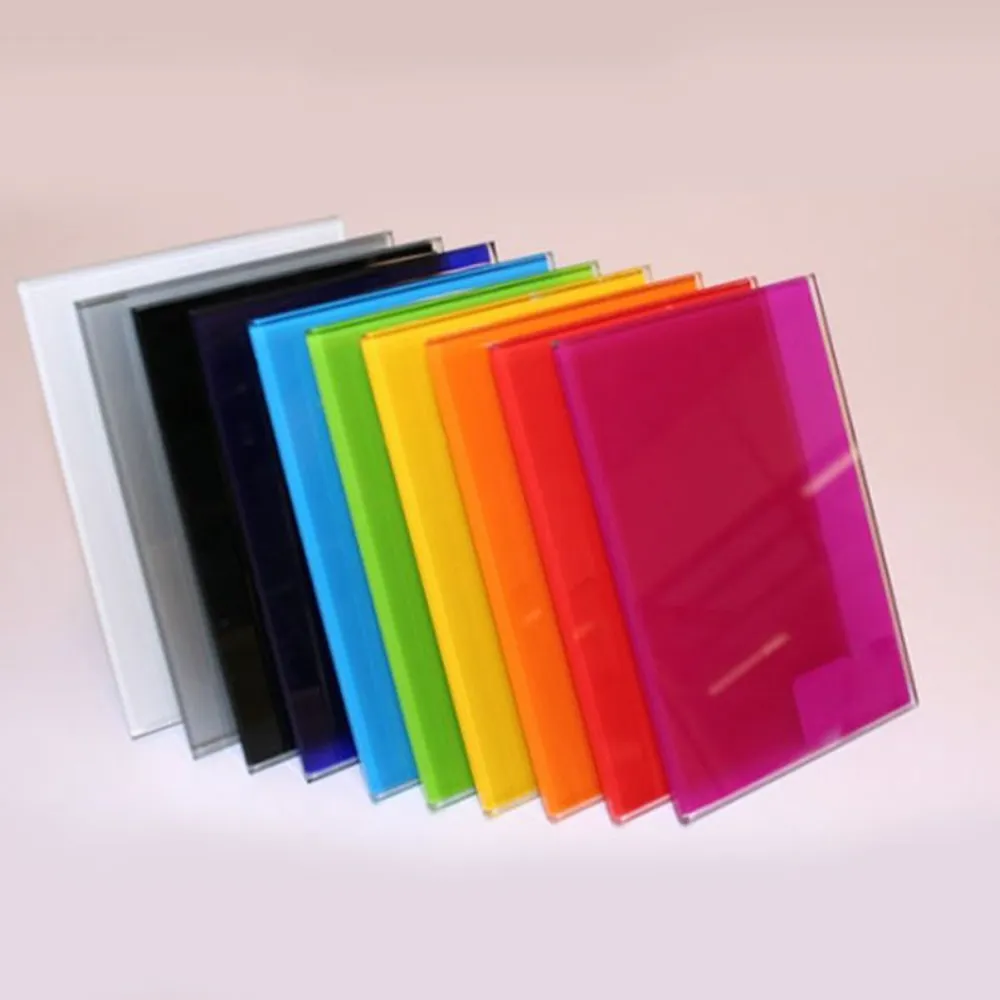
The following examples show why an acrylic sheet price needs a specification. They are listings from one seller, Canal Plastics, observed on October 19, 2026. They do not establish a national price range or a wholesale buying rate.
| Listed dimensions | Seller’s thickness label and stated size | Listed USD per piece |
|---|---|---|
| 12 × 24 inches | 1/8 inch; 0.118 inch / 3.0mm | $10.75 |
| 24 × 48 inches | 1/4 inch; 0.220 inch / 5.6mm | $76.00 |
| 48 × 96 inches | 1/8 inch; 0.118 inch / 3.0mm | $125.00 |
| 48 × 96 inches | 1/4 inch; 0.220 inch / 5.6mm | $230.00 |
These clear-sheet variants are described as cast acrylic. The amounts are listed per piece without optional machining added; shipping, tax, and a delivered checkout total were not verified. Confirm the current specification and total with the seller before ordering.
For your own project, send JRT the sheet size, thickness, quantity, and destination. Ask for the material and delivery scope to appear together in the quotation.
A size label is not always the same as an exact physical measurement. Keep the supplier’s nominal label and stated thickness together. In particular, don’t silently replace a listed 0.220-inch / 5.6mm product with a 6mm requirement.
Save the variant or product reference with your acrylic sheet price comparison. A screenshot showing only a starting amount leaves too much unanswered. Keep the quote date too. You can then check a later change against the same item.
Before comparing the numbers, agree on the material the finished job needs. A different grade, thickness, or surface changes what is being offered. A lower acrylic sheet price alone cannot tell you whether an offer meets the drawing.
State length, width, and units rather than writing only “standard sheet.” Specify thickness and any permitted variation needed by slots, channels, or fittings. Our thickness and tolerance guide explains how to describe these requirements.
A quote for one large sheet also differs from a quote for several finished blanks. The supplier needs to know whether the stated dimensions describe stock material or the final parts. Mark that distinction before discussing alternatives.
For a 3mm acrylic sheet price, include the sheet area, grade, color, and quantity. Thickness alone does not define a product or an order. Ask each supplier to flag substitutions rather than quietly offering a nearby stock size.
ACRYLITE’s comparison of cast and extruded sheet explains differences in manufacture, machining, and thickness control. These distinctions help define the material being purchased. They do not establish a fixed price premium across suppliers.
Use our دليل من الأكريليك المصبوب مقابل الأكريليك المبثوق to narrow the choice for your process. Then request the exact grade and finish. Clear, colored, mirrored, and other specialty materials should not be compared as though their specifications were identical.
سيناريو توضيحي: A display buyer receives one offer for stock sheet and another for polished panels. They ask both suppliers to quote the same finished dimensions and edge requirements. The goal is a like-for-like comparison, not a claimed saving or customer result.
Request the same quantity tiers from each supplier. Ask whether setup, packing, or other charges appear separately or within the unit amount. An acrylic sheet price for a trial order does not automatically apply to a repeat batch.
For later orders, retain the product code, color reference, drawing revision, and accepted sample. Confirm the price again against those records. Don’t assume a larger quantity guarantees a particular discount.
Area pricing helps compare different sheet sizes once the material requirements match. It does not make unlike grades equivalent. Always keep the thickness and specification beside the calculated result.
Use the dimensions and units shown on the offer:
Using 125, as listed above, a 48×96-inch rectangle has an area of 32 square feet. Dividing 125 by 32 gives 3.90625, or approximately $3.91 per square foot. This is calculated based on one listed variant and is not the average price of acrylic sheets.
The same dimensions, converted to 1,219.2 × 2,438.4 mm, are approximately 2.9729 square meters. Dividing 125 by this area gives approximately 42.05 per square meter. These two results describe the same amount of material used, but with different units of area.
For an acrylic sheet price per square foot comparison, confirm whether the amount covers stock, cut blanks, or finished parts. Also confirm whether the stated area is nominal or the usable area required by your drawing. Put any uncertainty in a separate column.
Keep currency conversion separate from area conversion. If two offers use different currencies, record the exchange rate and date you actually use. Changing units does not remove currency or delivery differences.
Don’t compare a price per kilogram directly with a price per square meter. You would first need an agreed thickness and relevant material density, or a quoted weight for the item. Request a common unit from the supplier when those inputs are missing.
A material-only acrylic sheet price answers what the sheet costs. It does not by itself answer what each accepted display panel or sign component will cost. Define the finished part before comparing the production options.
Ask the supplier to identify which operations the quote covers. A request for cut rectangles differs from one for shaped parts with holes and polished edges. State which edges are visible, which will be handled, and which must be prepared for assembly.
JRT’s خدمات القطع والتشطيب page lists saw cutting, laser shape processing, and diamond polishing. Use the drawing to discuss the required operations. Confirm the quoted finish, dimensions, and acceptance checks rather than assuming every operation is included in the sheet amount.
When comparing an acrylic sheet price with a finished-part quote, include your own remaining work on the raw-sheet option. Use actual shop estimates or supplier quotes for that work. Do not add a standard percentage without evidence from the job.
Ask how the required parts will fit on the proposed stock size. The cut plan should account for the process and finished dimensions. A sheet with more total area does not automatically give more of the parts you need.
Useful cost checks include:
| Measure | Calculation | Input to verify |
|---|---|---|
| Material cost per usable area | Material purchase amount ÷ usable area | Actual layout and usable material |
| Cost per accepted part | Total amount within the agreed scope ÷ accepted parts | Finish, dimensions, and accepted quantity |
| Remaining processing cost | Work still needed after delivery | Actual operations and quoted rates |
سيناريو توضيحي: A sign maker compares two material options for a shaped part. Before choosing, they request a trial part and a layout for the required quantity. The sample checks whether the proposed process meets the design; it does not prove a universal cost advantage.
Use the accepted sample as a reference for the batch. If the drawing or finish changes, ask whether the acrylic sheet price and processing charges need revision. Keep both versions so the reason for a price change stays clear.
An acrylic sheet price comparison is incomplete if one offer stops at the seller’s premises and another includes delivery to your site. Record the agreed destination and the costs already included. Then identify any remaining items.
Write the quote currency, issue date, expiry date, and named delivery point beside the total. Ask about the packed shipment, not just the loose sheet dimensions. Confirm the packaging and handling requirements with the supplier and carrier.
ICC’s official Incoterms 2020 guidance explains how the rules allocate costs, risks, and obligations. When a quotation uses an Incoterms rule, record the named place and version as well. A three-letter term alone does not replace the rest of the purchase agreement.
Use the following checklist to reconcile offers, rather than adding every item to every quotation:
| Cost or responsibility | العرض أ | العرض ب |
|---|---|---|
| Material and specified processing | Included / excluded / confirm | Included / excluded / confirm |
| Protective film and shipment packaging | Included / excluded / confirm | Included / excluded / confirm |
| Main transport and insurance | Included / excluded / confirm | Included / excluded / confirm |
| Applicable clearance, duties, and taxes | Included / excluded / confirm | Included / excluded / confirm |
| Final delivery and unloading | Included / excluded / confirm | Included / excluded / confirm |
Do not add a charge twice when it is already included. For unresolved charges, obtain a current estimate from the responsible supplier, carrier, or broker. Keep the amount and its assumptions with the comparison.
سيناريو توضيحي: An importer sees two different totals for the same sheet order. They ask each seller to identify the destination and included transport items. Only after the remaining charges are clarified can they compare the offers on the same basis; no actual transaction is described.
A clear request for quotation gives suppliers the same problem to price. Start with the finished use and drawing, then state the material and delivery requirements. Ask for any deviations to be identified in the reply.
Include these details when requesting an acrylic sheet price:
If you don’t know a grade name, describe the application and what the part must withstand or look like. Ask the supplier to state the proposed material clearly. Avoid approving an unnamed substitution simply because its unit amount is lower.
Before selecting an acrylic sheet price, check the reply against your request:
Keep the approved quote, drawing, and sample reference together. Confirm whether later changes affect the amount or schedule. This gives purchasing and production the same record to work from.
The amount depends on the specific sheet and order. Use the dated listings above as examples, then obtain a current quote for your grade, dimensions, quantity, and delivery point. No single acrylic sheet price covers all those choices.
They describe different parts of a specification: 4×8 commonly describes sheet length and width in feet, while 3mm describes thickness. Combine all dimensions before comparing a 4×8 acrylic sheet price. Also state grade, color, quantity, and the exact units.
Don’t assume a fixed relationship across suppliers and orders. Request both offers against the same finished requirements, then check whether either material needs different processing. Compare the complete job rather than applying an assumed cast-acrylic premium.
No particular discount is guaranteed by quantity alone. Ask for the quantities you actually plan to buy and have setup or packaging charges identified. Compare the resulting totals without inventing a standard bulk-saving percentage.
Check the quotation’s scope and named delivery point. Ask the supplier to identify transport, packaging, and any other applicable charges already included. Resolve missing items before treating the offer as a delivered total.
Send the drawing, material requirements, dimensions, quantity, finish, and destination. Include tolerances, sample checks, and the date you need the parts. These details make an acrylic sheet price useful for an actual buying decision.
A useful acrylic sheet price starts with a clear specification. Compare on the same basis and check the full delivery scope. For your project, request a specification-based quotation from JRT. Include the finished-part details so the discussion covers what you need to receive.
 15سبتمبر
 15سبتمبر
 17أكتوبر
 23أكتوبر