الألواح الأكريلية الزخرفية مقابل الزجاج: أي المادتين أفضل للتصميم الداخلي المعاصر؟
مقدمة
لم تعد مواد التصميم الداخلي تُختار بناءً على المظهر وحده. فالمشاريع السكنية والتجارية الحديثة تتطلب بشكل متزايد موادًا تحقق التوازن بين الجوانب الجمالية والاعتبارات العملية، مثل الوزن والمتانة ومرونة المعالجة وقابلية التكيف مع التصميم.
ظل الزجاج مادة شائعة الاستخدام في التصميمات الداخلية بفضل شفافيته وسطحه الأملس وقدرته على خلق مساحات مشرقة ومفتوحة. ومع ذلك، مع تزايد التوجه نحو التصميمات الداخلية المخصصة، غالبًا ما يبحث المصممون عن مواد توفر مرونة أكبر في الألوان والملمس والأنماط وتشطيبات الأسطح.
من بين الخيارات المتاحة، حظيت الألواح الأكريلية الزخرفية باهتمام كبير لكونها تجمع بين خصائص الأكريل في خفة الوزن والإمكانيات الزخرفية المتنوعة. وبفضل تنوع القوام والألوان والتشطيبات، يمكن استخدامها في مجالات مثل الألواح الجدارية وأسطح الأثاث وعناصر الإضاءة والتصميمات الداخلية التجارية.
تستكشف هذه المقالة الاختلافات بين صفائح أكريليك زخرفية مقابل الزجاج, ، مما يساعد المصممين والمهندسين المعماريين ومسؤولي المشتريات في المشاريع على فهم خصائص كل مادة واختيار الحل المناسب بناءً على متطلبات المشروع المحددة.
لماذا تتجه مشاريع التصميم الداخلي الحديثة إلى تجاوز استخدام الزجاج التقليدي
ظل الزجاج مادة مهمة في مجال التصميم الداخلي على مدى عقود. فشفافيته وسطحه الأملس ومظهره الراقي تجعله مناسبًا للاستخدام في الفواصل، وواجهات العرض، والأبواب، والعناصر الزخرفية. ومع ذلك، تتجه اتجاهات التصميم الداخلي نحو مساحات أكثر تخصيصًا وتميّزًا من الناحية البصرية.
في العديد من المشاريع، يحتاج المصممون إلى مواد لا تقتصر مزاياها على الشفافية فحسب. فقد يحتاجون إلى قوام أو ألوان أو أنماط أو تأثيرات سطحية محددة لتتناسب مع مفهوم تصميمي معين. وعادةً ما يواجه الزجاج التقليدي قيودًا عندما يتعلق الأمر بالتخصيص الزخرفي والمعالجة المعقدة.
يُعد الوزن عاملاً آخر يؤثر على اختيار المواد. فالألواح الزجاجية الكبيرة تتطلب غالبًا معالجة دقيقة، وهياكل داعمة أكثر متانة، وعمليات تركيب أكثر تعقيدًا. وبالنسبة للمشاريع التي تتضمن أشكالًا مخصصة أو أسطحًا زخرفية، فإن هذه المتطلبات قد تزيد من تعقيد عملية التصنيع.
ونتيجة لذلك، أصبحت المواد الزخرفية خفيفة الوزن تحظى باهتمام متزايد. أ صفائح أكريليك زخرفية يجمع بين مرونة معالجة الأكريليك والخيارات الجمالية المتنوعة، مما يتيح للمصممين ابتكار عناصر داخلية مخصصة مع الحفاظ على المظهر العصري.
ما هي الألواح الأكريليكية الزخرفية؟
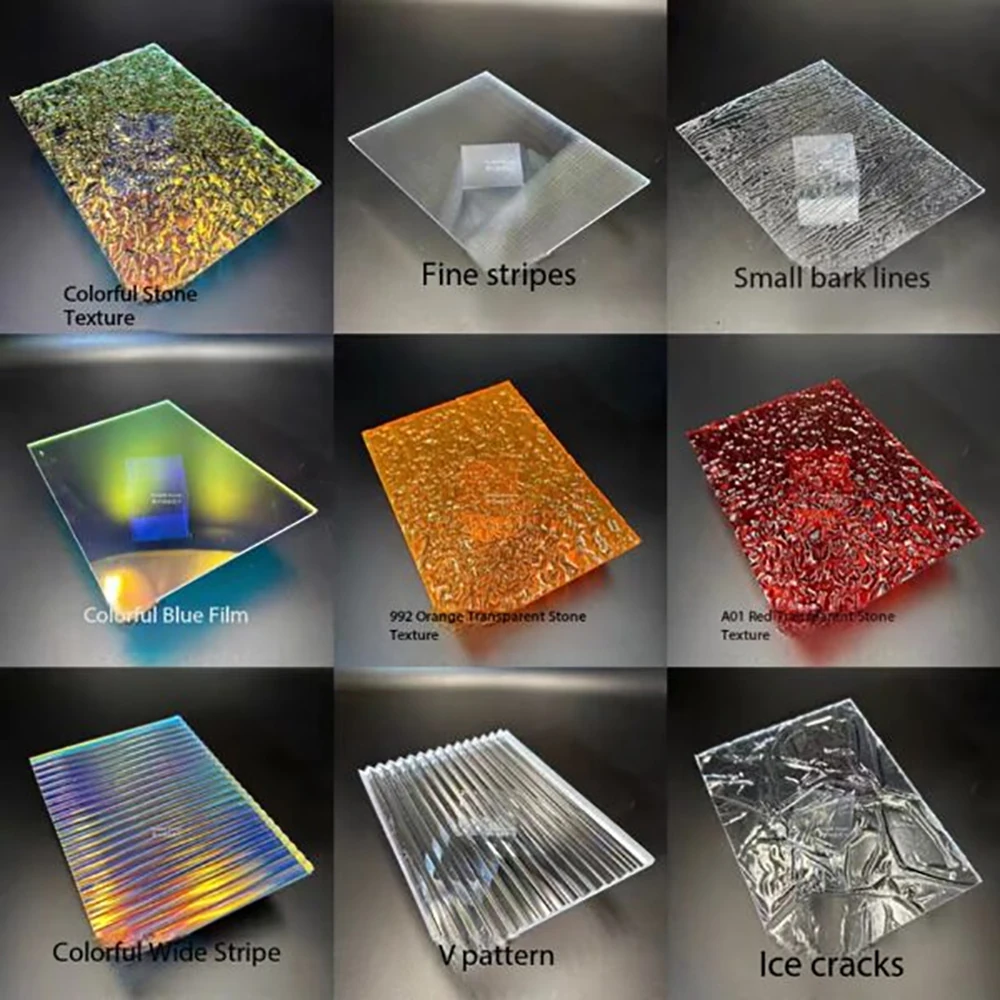
A صفائح أكريليك زخرفية هي مادة مصنوعة من مادة PMMA ومصممة لاستخدامات الديكور الداخلي. وعلى عكس الألواح الأكريلية الشفافة القياسية، تُستخدم في الألواح الأكريلية الزخرفية معالجات لتركيب نسيج سطحي، أو مزج الألوان، أو عمليات تضمين الأنماط لخلق تأثيرات بصرية مميزة.
تجمع هذه المادة بين خصائص الأكريليك من حيث خفة الوزن وسهولة معالجته، وبين الميزات الزخرفية التي تناسب التصميم الداخلي الإبداعي. ووفقًا لمتطلبات التصميم، يمكن إنتاج ألواح الأكريليك الزخرفية بمختلف القوام والألوان والتشطيبات السطحية.
تشمل الخيارات الزخرفية الشائعة أنماط الرخام، وملمس عروق الخشب، والتصاميم الهندسية، والأنماط التجريدية، والتأثيرات المعدنية. ويمكن أن تشمل معالجات الأسطح تشطيبات عالية اللمعان، أو غير لامعة، أو منقوشة، مما يتيح للمادة أن تتناسب مع أنماط التصميم الداخلي المختلفة.
ألواح الأكريليك الزخرفية مقابل الزجاج: الاختلافات الرئيسية
عند المقارنة زخرفي لوح أكريليك مقابل الزجاج, ، يعتمد الاختيار الصحيح على عدة عوامل، منها متطلبات التصميم، وظروف التركيب، واحتياجات المعالجة، والأداء المتوقع.
لا يزال الزجاج مستخدمًا على نطاق واسع في التصميم الداخلي بفضل شفافيته وسطحه الأملس وقدرته على خلق مساحات مشرقة ومفتوحة. أ صفائح أكريليك زخرفية, ، من ناحية أخرى، يوفر مزيدًا من المرونة في الألوان والملمس والتصاميم المخصصة، مما يجعله مناسبًا للمشاريع التي تتطلب تأثيرات زخرفية أكثر قوة.
عامل المقارنة
لوح أكريليك للزينة
الزجاج
الوزن
خفيفة الوزن وأسهل في التعامل معها وتركيبها
أثقل وزنًا وقد تتطلب هياكل دعم أكثر متانة
مقاومة الصدمات
يتميز عمومًا بمقاومة أفضل للصدمات مقارنةً بالزجاج العادي، ولا ينكسر بسهولة إلى شظايا حادة
قد ينكسر الزجاج العادي عند التعرض لصدمة، في حين أن الزجاج المقسّى يعزز مستوى الأمان
مرونة التصميم
يدعم مجموعة متنوعة من الألوان، والملمس، والأنماط، والتشطيبات
يمنح مظهرًا أنيقًا، لكنه يوفر خيارات تخصيص زخرفية أقل
المعالجة
يمكن قصها ونقشها وتشكيلها بالحرارة
يتطلب أساليب معالجة متخصصة
التركيب
خيارات تركيب مرنة للاستخدامات الزخرفية
يتطلب معالجة دقيقة ودعماً هيكلياً أقوى
المؤثرات البصرية
توفر تشطيبات غير لامعة، ولامعة، ومنقوشة، وشفافة
يوفر شفافية ممتازة وتأثيرات انعكاسية
مرونة التصميم والتخصيص
يتمثل أحد الاختلافات الرئيسية بين الألواح الزجاجية وألواح الأكريليك الزخرفية في مدى إمكانية تخصيص التصميم.
غالبًا ما يُختار الزجاج لشفافيته ومظهره العصري، في حين توفر ألواح الأكريليك الزخرفية المزيد من الخيارات لابتكار أنماط داخلية فريدة. ومن خلال معالجة الأسطح وتخصيص الألوان، يمكن لألواح الأكريليك أن تحقق قوامات وأنماطًا وتأثيرات بصرية متنوعة.
تشمل الخيارات المتاحة الرخام، ونقوش الخشب، والأنماط الهندسية، والتشطيبات المعدنية، والتصاميم المخصصة. وتجعل هذه الميزات ألواح الأكريليك الزخرفية مناسبة للمشاريع الداخلية التي يُعد فيها المظهر والتخصيص من العوامل المهمة.
مرونة المعالجة والتطبيق
يمكن أن تؤثر متطلبات معالجة المواد على كفاءة مشاريع التصميم الداخلي وإمكانياتها.
يتميز الزجاج بوضوح بصري ممتاز، لكن الأشكال المخصصة أو التأثيرات الزخرفية قد تتطلب معالجة متخصصة. أما الألواح الأكريلية الزخرفية فهي أسهل في التصنيع ويمكن معالجتها عن طريق القطع والنقش والتشكيل الحراري، مما يتيح للمصممين إنشاء ألواح وعناصر زخرفية مخصصة.
هذه المرونة تجعل الألواح الأكريلية مناسبة لاستخدامات مثل تزيين الجدران، وأسطح الأثاث، والحواجز الفاصلة، وتصميمات العرض.
تطبيقات الألواح الأكريلية الزخرفية في التصميم الداخلي المعاصر
نظراً لما تتميز به الألواح الأكريلية الزخرفية من مزيج بين المظهر الزخرفي ومرونة المعالجة، يمكن استخدامها في مجموعة واسعة من التطبيقات الداخلية.
بالمقارنة مع مواد تزيين الجدران التقليدية، توفر الألواح الأكريلية خيارات أكثر من حيث الألوان والملمس والتأثيرات السطحية. ويمكن أن تساعد أنماط الرخام والتشطيبات التي تحاكي عروق الخشب والتصاميم المخصصة في إضفاء ميزات بصرية مميزة على المساحات السكنية والتجارية.
أسطح الأثاث والخزائن
استخدام ألواح أكريليك للأثاث أصبح استخدام التطبيقات أمراً شائعاً بشكل متزايد في مشاريع التصميم الداخلي الحديثة.
يمكن استخدام الألواح الأكريلية الزخرفية في:
أبواب الخزانة
أسطح الطاولات
ألواح الأدراج
أسطح الأثاث المصممة حسب الطلب
إن الجمع بين الهيكل خفيف الوزن والمظهر القابل للتخصيص وسهولة التنظيف يجعل الأكريليك خيارًا عمليًّا لمصممي الأثاث الذين يبحثون عن التوازن بين الجمال والوظيفة.
الإضاءة والحواجز الزخرفية
كما يمكن استخدام الألواح الأكريلية الزخرفية في التطبيقات المتعلقة بالإضاءة، بما في ذلك أغطية المصابيح، والديكورات المزودة بإضاءة خلفية LED، والفواصل الشفافة.
تسمح خيارات الألوان الشفافة بمرور الضوء مع إحداث تأثيرات بصرية متنوعة. وهذا يجعل الألواح الأكريلية مناسبة للعناصر الزخرفية التي يُعد فيها كل من المظهر وتوزيع الضوء من العوامل المهمة.
المساحات الداخلية التجارية
غالبًا ما تتطلب البيئات التجارية موادً تحقق التوازن بين التأثير التصميمي والأداء العملي.
يمكن استخدام الألواح الأكريلية الزخرفية في:
جدران عرض صورة العلامة التجارية في متاجر البيع بالتجزئة
ديكور ردهة الفندق
حواجز المطاعم
خلفيات مكتب الاستقبال
أسقف إبداعية
معروضات المعرض
تتيح خيارات التخصيص المتوفرة للشركات إنشاء مساحات تعكس هويات العلامات التجارية أو موضوعات التصميم المحددة.
كيف تختار بين الألواح الأكريلية الزخرفية والزجاج؟
تتمتع كل من الألواح الأكريلية الزخرفية والزجاج بمزايا خاصة بها. ويعتمد الاختيار الصحيح على متطلبات المشروع، وأهداف التصميم، وظروف التركيب، والأداء المتوقع.
متى يجب اختيار الزجاج
قد يكون الزجاج خيارًا مناسبًا في الحالات التالية:
الشفافية القصوى هي الشرط الأساسي؛;
يُفضل المظهر الزجاجي التقليدي؛;
يركز تصميم المشروع على التأثيرات البصرية النقية والمفتوحة والعاكسة؛;
وقد قدمت هذه التطبيقات حلولاً لتركيب الزجاج.
لا يزال الزجاج مادة شائعة الاستخدام في المشاريع التي تُعد فيها الشفافية والمظهر الكلاسيكي العصري من الأولويات الرئيسية.
متى تختار لوحًا أكريليكيًا زخرفيًا
قد تكون الألواح الأكريلية الزخرفية خيارًا أفضل عندما تتطلب المشاريع ما يلي:
ألوان أو أنماط أو قوام مخصصة؛;
مواد خفيفة الوزن لتسهيل التركيب؛;
طرق التصنيع المرنة مثل القطع أو النقش أو التشكيل الحراري؛;
أسطح زخرفية للأثاث أو الجدران أو الحواجز أو واجهات العرض.
بالنسبة لمشاريع التصميم الداخلي التي تركز على التصميم الإبداعي والتخصيص، توفر الألواح الأكريلية الزخرفية مرونة أكبر في تحقيق تأثيرات بصرية فريدة.
الأسئلة الشائعة
Q1: هل لوح الأكريليك الزخرفي أقوى من الزجاج؟
ج: تتميز الألواح الأكريلية الزخرفية عمومًا بمقاومة أعلى للصدمات مقارنةً بالزجاج العادي، مما يجعلها أقل عرضة للتشقق أو الانكسار في حالة التعرض لضربة عرضية. ومع ذلك، قد يظل الزجاج هو الخيار الأفضل في التطبيقات التي تتطلب صلابة سطحية عالية أو أداءً هيكليًّا محددًا. ويعتمد اختيار المادة المناسبة على تصميم المشروع ومتطلباته الوظيفية.
السؤال الثاني: هل يمكن لألواح الأكريليك الزخرفية أن تحل محل الزجاج في التصميمات الداخلية التجارية؟
ج: نعم. تُستخدم ألواح الأكريليك الزخرفية بشكل شائع في صناعة الألواح الجدارية، والفواصل، وأسطح الأثاث، ووحدات العرض، والإضاءة الزخرفية، وذلك لخفة وزنها وسهولة تصنيعها وتوافرها بمجموعة واسعة من الألوان والأنسجة. ومع ذلك، يظل الزجاج خيارًا مناسبًا في الحالات التي يُفضل فيها تحقيق أقصى درجة من الشفافية أو الحصول على المظهر التقليدي للزجاج.
Q3: ما هو سمك الألواح الأكريلية الزخرفية المناسب لألواح الجدران الداخلية؟
ج: يعتمد السُمك المناسب على حجم اللوحة وطريقة التركيب ومتطلبات التصميم. تتوفر ألواح الأكريليك الزخرفية بسُمكات متنوعة، مما يتيح للمصممين اختيار ألواح أرق للأسطح الزخرفية أو ألواح أكثر سماكة للتركيبات الأكبر حجمًا التي تتطلب صلابة أكبر. وينبغي أن يستند اختيار السُمك المناسب دائمًا إلى الاستخدام المقصود وظروف التركيب.
الخاتمة
لا يزال الزجاج مادة مهمة في التصميم الداخلي بفضل شفافيته ومتانته ومظهره الذي لا يفقد رونقه مع مرور الزمن. ومع ذلك، تتزايد الحاجة في المشاريع الحديثة إلى مواد توفر مرونة أكبر في التصميم والمعالجة والإمكانيات الزخرفية.
A صفائح أكريليك زخرفية يجمع بين خصائص الأكريليك الخفيفة الوزن وخيارات التصنيع المرنة، بالإضافة إلى مجموعة واسعة من القوام والألوان والتشطيبات السطحية. وتجعل هذه الميزات منه خيارًا مناسبًا لاستخدامات مثل الألواح الجدارية، وأسطح الأثاث، وعناصر الإضاءة، والتصميمات الداخلية التجارية.
بالنسبة للمصممين والمهندسين المعماريين ومسؤولي شراء المواد الذين يقارنون بين الأكريليك والزجاج، فإن الاختيار الصحيح يعتمد على المتطلبات المحددة لكل مشروع. ويظل الزجاج الخيار المفضل عندما تكون الشفافية والمظهر الكلاسيكي من الأولويات الرئيسية، في حين أن الألواح الزخرفية المصنوعة من الأكريليك يمكن أن توفر مرونة أكبر للمشاريع التي تركز على التخصيص والتصميم الداخلي الإبداعي.
مقدمة موجزة تُستخدم ألواح الأكريليك على نطاق واسع في جميع مناحي الحياة بسبب شفافيتها الممتازة وخفة وزنها وقابليتها للتشغيل الآلي. ومع ذلك، فهي تختلف بشكل كبير...
إذا كنت تعمل في مجال المعالجة بالأشعة فوق البنفسجية، أو التشخيص الطبي، أو الأبحاث البصرية، أو تصميم معدات التسمير، فمن المحتمل أنك قد تساءلت: ما هي المادة التي يمكنها نقل الأشعة فوق البنفسجية بشكل موثوق دون...
عند عمل شارات الأسماء المنقوشة أو اللافتات المكتبية أو ملصقات المعدات، فإن السؤال الأكبر هو: ما هي المادة التي تعطي تباينًا واضحًا واحترافيًا بدون طلاء إضافي؟ الألواح ثنائية اللون هي...
مقدمة من المباني التجارية إلى المنشآت الصناعية، عند اختيار المواد الشفافة للتطبيقات الحرجة للسلامة، يبرز خياران: الأكريليك المقاوم للصدمات والبولي كربونات. بالنسبة للمتخصصين في...