Decorative Acrylic Sheet vs Glass: Which Material Is Better for Modern Interior Design?
Introduction
Interior design materials are no longer selected based on appearance alone. Modern residential and commercial projects increasingly require materials that balance aesthetics with practical considerations, such as weight, durability, processing flexibility, and design adaptability.
Glass has remained a widely used material in interior applications due to its transparency, smooth surface, and ability to create bright and open spaces. However, as interior concepts become more customized, designers often look for materials that offer greater flexibility in colors, textures, patterns, and surface finishes.
Among the available options, decorative acrylic sheets have gained attention for combining the lightweight characteristics of acrylic with diverse decorative possibilities. Through different textures, colors, and finishes, they can be applied in areas such as wall panels, furniture surfaces, lighting elements, and commercial interiors.
This article explores the differences between decorative acrylic sheet vs glass, helping designers, architects, and project buyers understand the characteristics of each material and select the right solution based on specific project requirements.
Why Modern Interior Projects Are Shifting Beyond Traditional Glass
Glass has remained an important interior design material for decades. Its transparency, smooth surface, and premium appearance make it suitable for partitions, displays, doors, and decorative elements. However, interior design trends are moving toward more customized and visually distinctive spaces.
In many projects, designers need materials that offer more than transparency. They may require specific textures, colors, patterns, or surface effects to match a particular design concept. Traditional glass generally has limitations when it comes to decorative customization and complex processing.
Weight is another factor that influences material selection. Large glass panels often require careful handling, stronger supporting structures, and more demanding installation processes. For projects involving customized shapes or decorative surfaces, these requirements can increase fabrication complexity.
As a result, lightweight decorative materials have gained more attention. A decorative acrylic sheet combines the flexibility of acrylic processing with various aesthetic options, allowing designers to create customized interior elements while maintaining a modern appearance.
What Is a Decorative Acrylic Sheet?
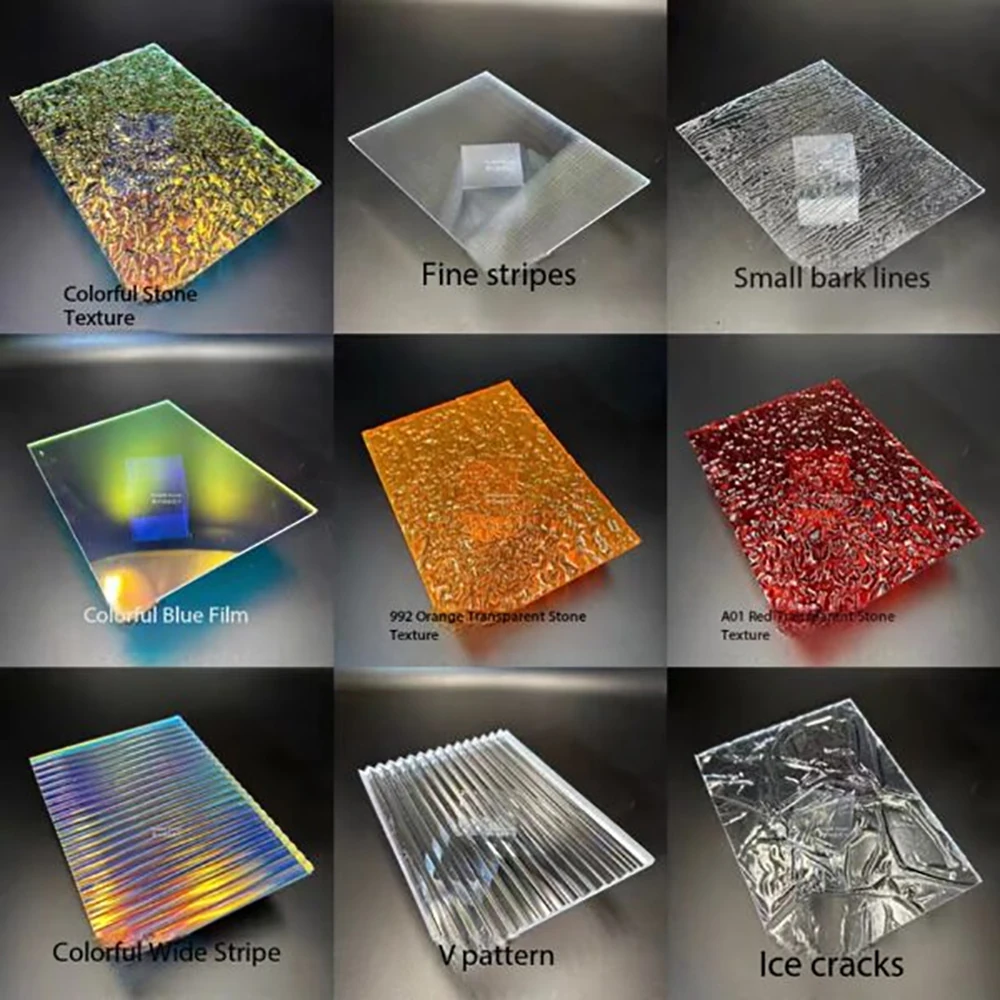
A decorative acrylic sheet is a PMMA-based material designed for interior decoration applications. Unlike standard transparent acrylic sheets, decorative acrylic sheets use surface texture treatment, color mixing, or pattern embedding processes to create distinctive visual effects.
The material combines acrylic’s lightweight characteristics and processing adaptability with decorative features suitable for creative interior design. Depending on the design requirements, decorative acrylic sheets can be produced with different textures, colors, and surface finishes.
Common decorative options include marble patterns, wood grain textures, geometric designs, abstract patterns, and metallic effects. Surface treatments can include high-gloss, matte, or embossed finishes, allowing the material to match different interior styles.
Decorative Acrylic Sheet vs Glass: Key Differences
When comparing decorative acrylic sheet vs glass, the right choice depends on several factors, including design requirements, installation conditions, processing needs, and expected performance.
Glass remains widely used in interior design because of its transparency, smooth surface, and ability to create bright and open spaces. A decorative acrylic sheet, meanwhile, provides more flexibility in colors, textures, and customized designs, making it suitable for projects that require stronger decorative effects.
Comparison Factor
Decorative Acrylic Sheet
Glass
Weight
Lightweight and easier to handle and install
Heavier and may require stronger support structures
Impact Resistance
Generally offers better impact resistance than standard glass and does not break into sharp fragments easily
Standard glass can break under impact, while tempered glass improves safety
Design Flexibility
Supports various colors, textures, patterns, and finishes
Provides a clean appearance but has fewer decorative customization options
Processing
Can be cut, engraved, and thermoformed
Requires specialized processing methods
Installation
Flexible installation options for decorative applications
Requires careful handling and stronger structural support
Visual Effects
Offers matte, glossy, embossed, and translucent finishes
Provides excellent transparency and reflective effects
Design Flexibility and Customization
One of the main differences between glass and decorative acrylic sheets is the level of design customization available.
Glass is often selected for its transparency and modern appearance, while decorative acrylic sheets provide more options for creating unique interior styles. Through surface treatments and color customization, acrylic sheets can achieve different textures, patterns, and visual effects.
Available options include marble, wood grain, geometric patterns, metallic finishes, and custom designs. These features make decorative acrylic sheets suitable for interior projects where appearance and personalization are important.
Processing and Application Flexibility
Material processing requirements can affect the efficiency and possibilities of interior projects.
Glass offers excellent optical clarity, but customized shapes or decorative effects may require specialized processing. Decorative acrylic sheets are easier to fabricate and can be processed through cutting, engraving, and thermoforming, allowing designers to create customized panels and decorative elements.
This flexibility makes acrylic panels suitable for applications such as wall decoration, furniture surfaces, partitions, and display designs.
Applications of Decorative Acrylic Sheets in Modern Interior Design
Due to their combination of decorative appearance and processing flexibility, decorative acrylic sheets can be used in a wide range of interior applications.
Wall Panels and Feature Walls
Decorative acrylic sheets are commonly used for background walls, artistic screens, and decorative panels.
Compared with traditional wall decoration materials, acrylic panels can provide more options in terms of colors, textures, and surface effects. Marble patterns, wood grain finishes, and custom designs can help create distinctive visual features in residential and commercial spaces.
Furniture and Cabinet Surfaces
The use of acrylic sheet for furniture applications has become increasingly common in modern interior projects.
Decorative acrylic sheets can be applied to:
Cabinet doors
Tabletops
Drawer panels
Custom furniture surfaces
The combination of lightweight structure, customizable appearance, and easy cleaning makes acrylic a practical option for furniture designers who need both aesthetics and functionality.
Lighting and Decorative Partitions
Decorative acrylic sheets can also be used in lighting-related applications, including lampshades, LED backlit decorations, and translucent partitions.
The translucent color options allow light to pass through while creating different visual effects. This makes acrylic panels suitable for decorative elements where both appearance and light diffusion are important.
Commercial Interior Spaces
Commercial environments often require materials that balance design impact with practical performance.
Decorative acrylic sheets can be used in:
Retail brand image walls
Hotel lobby decoration
Restaurant partitions
Office reception backgrounds
Creative ceilings
Exhibition displays
Their customization options allow businesses to create spaces that reflect specific brand identities or design themes.
How to Choose Between Decorative Acrylic Sheet and Glass?
Both decorative acrylic sheets and glass have their own advantages. The right choice depends on project requirements, design goals, installation conditions, and expected performance.
When to Choose Glass
Glass may be a suitable choice when:
Maximum transparency is the primary requirement;
A traditional glass appearance is preferred;
The project design focuses on clean, open, and reflective visual effects;
The application has established glass installation solutions.
Glass remains a widely used material for projects where transparency and a classic modern appearance are the main priorities.
When to Choose a Decorative Acrylic Sheet
A decorative acrylic sheet may be a better option when projects require:
Customized colors, patterns, or textures;
Lightweight materials for easier installation;
Flexible fabrication methods such as cutting, engraving, or thermoforming;
Decorative surfaces for furniture, walls, partitions, or displays.
For interior projects that emphasize creative design and customization, decorative acrylic sheets provide more flexibility in achieving unique visual effects.
FAQ
Q1: Is a Decorative Acrylic Sheet Stronger Than Glass?
A: A decorative acrylic sheet generally offers higher impact resistance than standard glass, making it less likely to crack or shatter if accidentally struck. However, glass may still be the better choice for applications that require high surface hardness or specific structural performance. The right material depends on the project’s design and functional requirements.
Q2: Can Decorative Acrylic Sheets Replace Glass in Commercial Interiors?
A: Yes. Decorative acrylic sheets are commonly used for wall panels, partitions, furniture surfaces, display fixtures, and decorative lighting because they are lightweight, easy to fabricate, and available in a wide range of colors and textures. However, glass remains a suitable option where maximum transparency or a traditional glass appearance is preferred.
Q3: What Thickness of Decorative Acrylic Sheet Is Suitable for Interior Wall Panels?
A: The appropriate thickness depends on the panel size, installation method, and design requirements. Decorative acrylic sheets are available in various thicknesses, allowing designers to choose thinner panels for decorative surfaces or thicker panels for larger installations that require greater rigidity. Selecting the right thickness should always be based on the intended application and installation conditions.
Conclusion
Glass remains an important material in interior design because of its transparency, durability, and timeless appearance. However, modern projects increasingly require materials that offer greater flexibility in design, processing, and decorative possibilities.
A decorative acrylic sheet combines the lightweight characteristics of acrylic with flexible fabrication options and a wide range of textures, colors, and surface finishes. These features make it suitable for applications such as wall panels, furniture surfaces, lighting elements, and commercial interiors.
For designers, architects, and material buyers comparing acrylic with glass, the right choice depends on the specific requirements of each project. Glass remains a preferred option where transparency and a classic appearance are the main priorities, while a decorative acrylic sheet can provide more flexibility for projects that emphasize customization and creative interior design.
Brief introduction Acrylic board is widely used in all walks of life because of its excellent transparency, light weight and machinability. However, they differ significantly...
If you work in UV curing, medical diagnostics, optical research or tanning equipment design, you’ve probably asked: What material can reliably transmit UV light without...
When making engraved name badges, office signs or equipment labels, the biggest question is:Which material gives crisp, professional contrast without extra painting? Dual-color sheet is...
Introduction From commercial buildings to industrial facilities, when choosing transparent materials for safety-critical applications, two choices stand out: impact resistant acrylic and polycarbonate. For professionals in the...