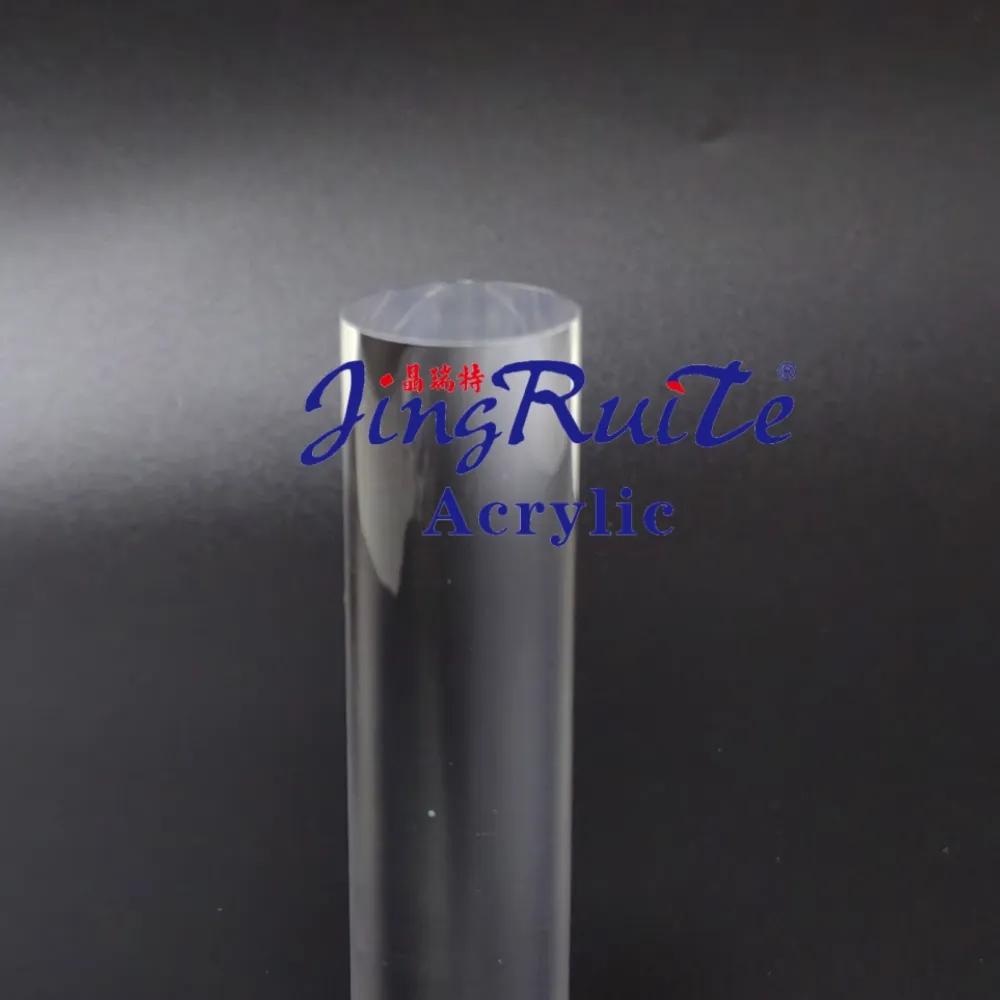
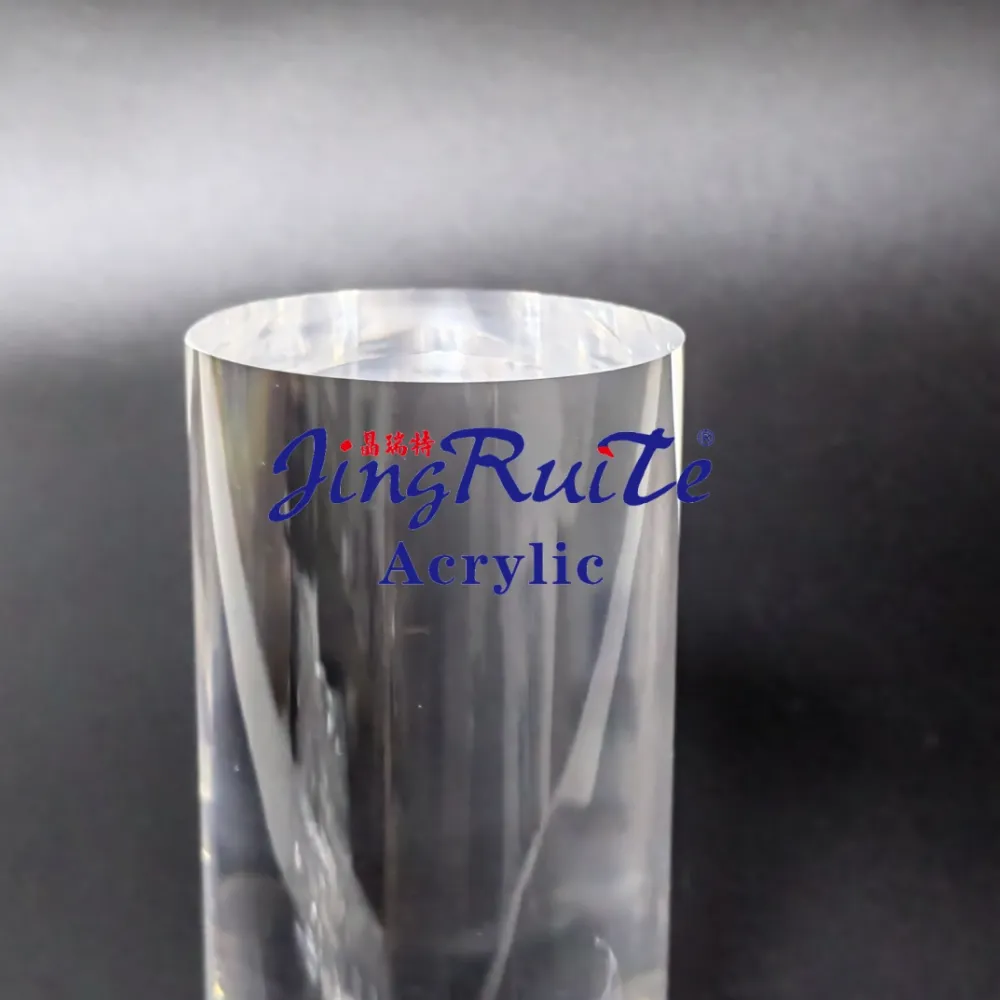
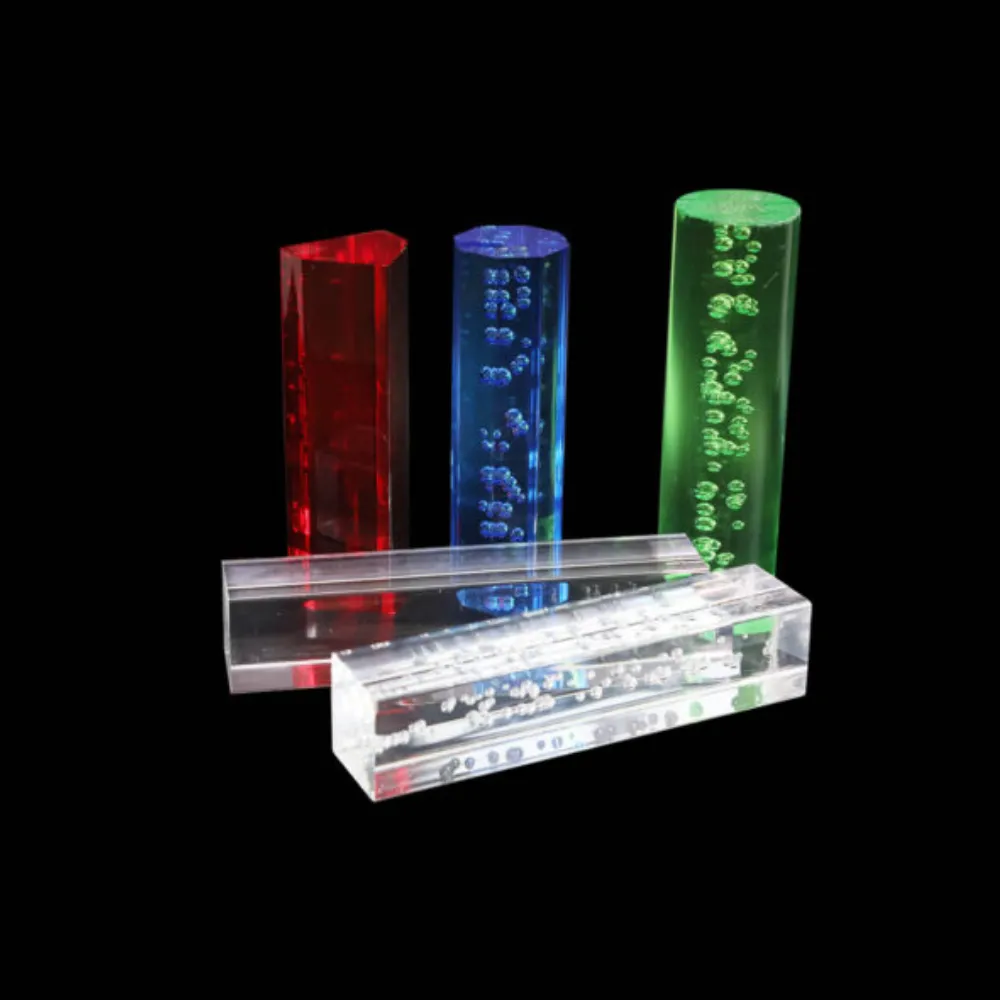
An acrylic rod is a solid PMMA profile, commonly supplied as round stock. Choose it by the finished part’s diameter, length, grade, appearance, and planned processing, then confirm the dimensional limits and sample before ordering.
A clear acrylic rod can look right in a catalogue yet leave important questions unanswered. Will it fit the hole? Does the quote include polished ends? This guide helps you turn those questions into a drawing and a supplier enquiry you can compare.
Points clés à retenir
Specify solid rod separately from hollow tube.
Label the diameter, finished length, units, and critical limits.
Compare the actual offered grades and processing instructions.
Review appearance and fit on a suitable finished sample.
Keep the approved drawing, product identity, and quote together.
A round rod has material through its cross-section. A tube has a bore and a wall. Those forms need different dimensions and do not perform the same job simply because both are clear.
Browse the acrylic tube and rod catalogue to identify the family, then name the required form in the enquiry. If the part needs a passage through its center, say so. Do not order solid stock while describing a tube wall.
Define the Finished Function
An acrylic rod may be considered for a display detail, a model component, or a decorative element. The application name alone is not a complete specification. Explain what the part must look like, how it will be assembled, and what work follows delivery.
For a project enquiry, send JRT your drawing, quantity, and sample requirements. Ask for the offered grade, dimensions, finish, and any exceptions to your requirements. Keep unanswered questions visible before accepting a quote.
Exemple de scénario : A display maker asks for clear spacers with visible ends. One offer covers raw stock; another includes finished ends. The maker adds the end condition to the drawing and asks for comparable offers, without assuming that the material names settle the difference.
Acrylic Rod Sizes and Finished Dimensions
Label Diameter, Section, and Length
For a round acrylic rod, show the diameter and length with units. For another section, draw the full profile instead of putting a diameter into an unsuitable field. Mark holes, shoulders, ends, or mating parts if they affect the finished job.
Drawing field
What to specify
Ce qu'il faut vérifier
Section
Round or another fully drawn profile
Offered product matches the form
Diameter
Nominal value and critical limits
Measurement method and location
Length
Supplied blank or finished dimension
Included cutting and end work
Shape
Relevant roundness or straightness needs
Agreed inspection method
Surface
Visible areas and end condition
Representative sample
A nominal size identifies the requested acrylic rod; it does not supply all the limits for acceptance. When an acrylic rod must enter a hole or fit a holder, show the mating part too. Ask the responsible designer to define the required fit.
Read Supplier Sizes as Supplier Information
TAP Plastics’ rod page notes that its extruded products are nominal in diameter and that diameter may vary along the length. It directs buyers with precision-fit needs to seek guidance. That is useful context for asking questions, not a tolerance specification for JRT.
Check the JRT solid rod product page as an enquiry starting point. Confirm the particular grade and size combination in the offer. A broad product description does not approve your drawing.
This is a conversion table, not a JRT stock list. A 1/2-inch acrylic rod dimension is 12.7mm, not 12mm. Rounding a catalogue label does not establish that two parts will fit.
Keep any agreed dimensional limits attached to the value when changing units. More decimal places do not make the material or measurement more precise. Confirm which unit governs the drawing and inspection.
Distinguish Stock, Blank, and Finished Length
The length supplied for later work may differ from the length required after finishing. State which stage your drawing describes. Ask how the proposed operations affect the material needed, rather than assigning a universal extra allowance.
As a supplier-specific example, ePlastics describes its extruded rod as sold in 72-inch, six-foot increments, with cutting information added to the order. That is its own sales format. It does not establish JRT lengths, charges, or availability.
Cast and Extruded Stock: Compare the Offered Grades
Keep the Product Identity With the Offer
Cast and extruded acrylic rod labels describe manufacturing routes, but the route name is not the complete material specification. Ask for the supplier’s product reference, grade, finish, and relevant technical documents. Make sure those records identify the item actually quoted.
An acrylic rod intended for later machining needs guidance for that product and operation. A generic comparison of sheet or tube cannot establish the result for solid stock. Keep the acrylic rod section, dimensions, and finished requirements visible in the review.
Compare Evidence Against the Planned Work
Use a short comparison record instead of assuming one route wins every category. If an offer lacks information, ask for it. Do not fill the gap with a statement copied from another manufacturer’s catalogue.
Question
Pièces à demander
Is the surface suitable?
Offered finish and appearance sample
Can the critical size be met?
Product limits and inspection plan
What processing is planned?
Instructions and a relevant process sample
What exposure is expected?
Guidance for the named product and conditions
What does the quote cover?
Included work, exceptions, and delivery terms
If the supplier recommends a particular acrylic rod grade, ask what supports that recommendation. A useful answer connects the product to your drawing and work. It should also identify any condition that still needs review.
Review Proposed Substitutions
Do not treat a different grade as equivalent merely because its nominal size matches. Ask whether the finish, processing guidance, documents, or sample checks change. Record who may approve the substitution.
For repeat acrylic rod orders, keep the original product reference and drawing revision with the new offer. If something changes, make the change explicit before accepting it. This helps the next buyer distinguish an approved revision from an unexplained replacement.
Match Appearance and Use Conditions
Review the Visible Surfaces
Describe the acrylic rod surfaces people will see, including ends and any later machined surfaces. Agree on the background, lighting, orientation, and finished state for sample review. Use the same conditions when comparing alternatives.
A clear acrylic rod description does not guarantee a distortion-free finished component. Ask which marks or surface differences are acceptable for the job. Keep the agreed appearance requirement with the sample record.
Exemple de scénario : A designer compares rods for an illuminated display detail. The samples look different when viewed with the intended light source and end finish. The designer records that setup for the review instead of choosing from a catalogue photograph; no brightness or durability result is invented.
Keep Rod and Lighting-System Requirements Separate
For a lighting project, describe the source arrangement, visible area, part geometry, and finish to be assessed. Ask for a representative assembly review. Do not infer uniform illumination or a service life from a general transparency claim.
If the design also uses a flat panel, the existing acrylic board selection article for LED projects concerns that separate component. Its material information does not establish the rod’s optical performance. Specify each part on its own terms.
State the Environment and Contact Conditions
Tell the supplier about outdoor exposure, cleaners, contact materials, temperatures, and other conditions relevant to the part. Ask for guidance for the actual product. A general chemical-resistance or weather-resistance phrase is not a complete operating limit.
Keep load-bearing, medical, food-contact, or other special duties as separate design and evidence questions. The acrylic rod name alone does not approve those uses. Likewise, solid stock does not become an aeration or fluid-transfer system because it appears in an aquarium application list.
Cutting, Joining, and Finishing Requirements
Show the Operations on the Drawing
List the planned acrylic rod cutting, drilling, shaping, end preparation, or joining work. Mark where each operation occurs and which surfaces or sizes must remain acceptable afterward. Ask the supplier for instructions suited to the offered product.
Avoid choosing a universal bending temperature or treating every cutting tool as suitable for every diameter and grade. The relevant equipment, product guidance, and finished requirement need review together. State who will carry out the work and inspect the result.
Use a Process Sample for the Real Question
Define the acrylic rod sample’s purpose before ordering it. A cut-end appearance check is different from a fit check or a joined assembly review. Ask for the sample to reflect the material and work being proposed.
For an acrylic rod process review, record the product identity, operations, observations, and acceptance requirements. If a result does not answer the intended question, leave it open. A polished-looking surface cannot prove a dimension or a joint’s suitability.
Confirm the Joint and Care Instructions
Describe the joint geometry, appearance, and intended duty before asking for a joining method. Follow the selected product’s instructions and applicable handling information. An adhesive category or name does not establish the strongest joint for every job.
Ask how the finished part should be protected, handled, and cleaned. Include any applied finish or coating in that question. If a cleaner or process changes, return the change for review instead of relying on a broad acrylic compatibility claim.
Samples, Quotes, and Buying Checks
Send One Requirement Set
Give suppliers the same drawing revision, quantity, appearance requirement, and planned work. Ask each to identify the offered product and excluded operations. Keep raw-stock supply separate from finished-part supply when comparing prices.
An enquiry can be short:
Please review the attached drawing for solid round stock. Confirm the offered grade, diameter limits, supplied or finished length, visible-end condition, and included processing. Identify the sample checks and any changes needed before quoting.
Use the response to complete the specification, not to hide unresolved decisions. Record which points the supplier has confirmed and which remain with the designer or buyer. Confirm the final drawing before release.
Record the Sample Approval
Record
What to retain
Produit
Supplier, reference, grade, and finish
Drawing
Revision, dimensions, and critical limits
Sample
Purpose, observations, and review conditions
Acceptation
Agreed checks and responsible reviewer
Quote
Included work, exclusions, and commercial terms
Exemple de scénario : A buyer receives one quote for rough-cut blanks and another for finished spacers. The buyer adds the finished length and visible-end requirements to the request. Both suppliers are asked to clarify their scope before the prices are compared.
Check the Delivered Part Against the Agreement
At receipt, identify the ordered product, drawing revision, quantity, and finish. Measure the agreed features using the agreed method. Keep observed readings separate from nominal values and from numbers calculated for planning.
If a result differs from the stated requirement, record the feature, location, and measurement conditions. Keep affected pieces identifiable while the responsible parties review the issue. Do not silently change the acceptance limit to match a delivery.
Frequently Asked Questions and Your Next Step
How Is an Acrylic Rod Different From a Tube?
A rod is solid; a tube has a bore and wall. Specify the required form before discussing size or processing. Similar appearance does not make the two forms interchangeable.
Which Diameter Should I Choose?
Start with the finished function and any mating component. Define the required size and limits on a drawing. Ask the supplier which offered product can meet those requirements.
Is a Half-Inch Diameter the Same as 12mm?
No. Half an inch equals exactly 12.7mm. Keep the units and allowed variation explicit rather than rounding away a difference that may affect fit.
Is Cast Always Better Than Extruded Stock?
Compare the actual grades against your finish, dimensions, planned work, and conditions of use. Request guidance and samples where needed. The manufacturing route alone does not settle every requirement.
Can I Use the Same Heating or Adhesive Method for Every Grade?
Use instructions appropriate to the actual material, section, and operation. Confirm the finished requirements through a suitable process review. A general tutorial cannot approve every combination.
What Should I Confirm Before Reordering?
Check the product reference, drawing revision, finish, sample record, and any proposed changes. Ask the supplier to identify substitutions before acceptance. Keep repeat orders tied to the agreed part.
Choose an acrylic rod by naming the product, defining the finished dimensions, and checking the evidence needed for the job. Send JRT the drawing, quantity, and sample requirements to confirm the offered options. Retain the agreed drawing and review record with the order.
Introduction Les plaques acryliques, appréciées pour leur clarté optique (transmission de la lumière 92%) et leur polyvalence, révolutionnent les industries, de l'aérospatiale aux soins de santé. Avec un marché mondial prévu...
Introduction Les feuilles de polychlorure de vinyle (PVC) sont un élément essentiel dans les secteurs de la construction, de la santé et de l'électronique en raison de leur durabilité, de leur résistance aux produits chimiques et de leur rapport coût-efficacité. Le marché mondial du PVC...
Dans les applications où la sécurité, la beauté et la durabilité sont essentielles, un matériau se distingue : la feuille acrylique ignifugée. Pour les projets dans les bâtiments, les transports publics ou les...
Quiconque s'est déjà renseigné sur le prix d'un miroir couvrant tout un mur connaît les inconvénients liés au verre : le poids, l'équipe d'installation, la responsabilité en cas de...