What is an acrylic rod and how do you use it? Acrylic Rod Sizes, Applications & Buying Guide
Understanding the basics: what is an acrylic rod?
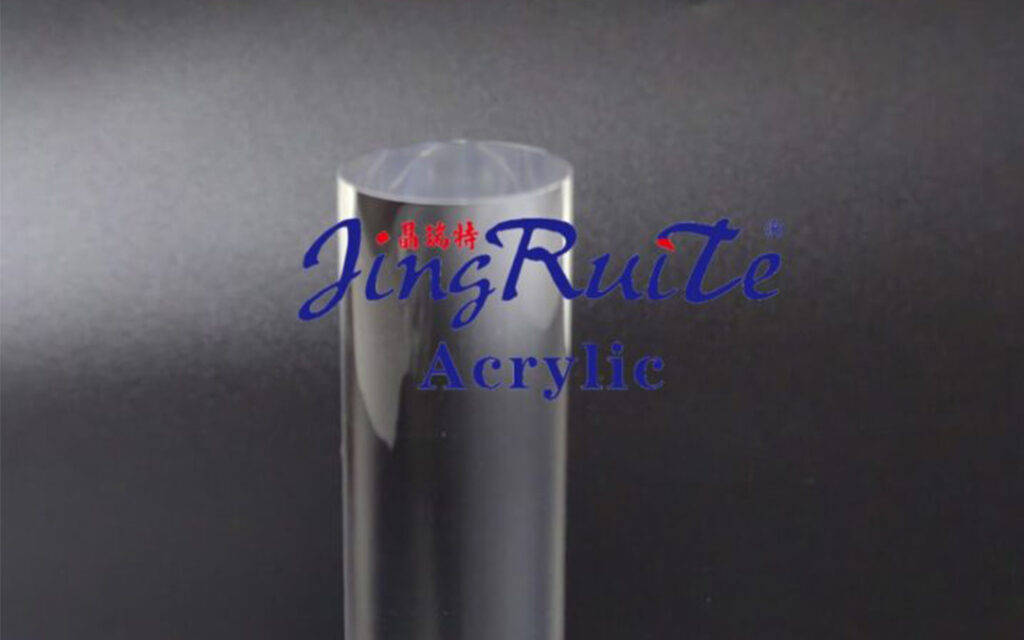
Acrylic rods products are solid cylindrical plastic profiles made of optical grade PMMA (polymethylmethacrylate). It is produced through precise extrusion or casting methods. This material is highly praised for its special transparency and strength. It is the solid counterpart in a wider category of acrylic tube & rod. The tubes are hollow and rods are solid.
The most remarkable feature is its glass-like transparency, and the light transmittance of high-quality optical grade rods reaches 92% or higher (according to ASTM D 1003 test standards). Although it’s very transparent, it’s more practical than glass. Because the density is only 1.19 g/cm³, the weight of an acrylic rod is about half that of the same volume of glass sheet. More importantly, its impact resistance is up to 10 times higher than that of standard glass, making it a safer and more durable choice for many applications.
Why choose acrylic rods? Main advantages and attributes
When new materials are compared, acrylic rods provide a unique combination of advantages, which explains why they are widely popular in all walks of life.
1. Unparalleled optical clarity and aesthetic appeal
The high light transmittance, polished and smooth surface make the products have high-quality and modern appearance. Its refractive index is 1.49, which can effectively bend light, making it making it an ideal choice for decorative lighting and visual displays.
2.Superior durability and safety
In addition to its high impact resistance, acrylic resin also provides strong mechanical strength. It has a tensile strength of 61.8 MPa and bending strength of 107 MPa (ASTM D638 & D790). This makes it resistant to cracking and breakage, which is an important safety advantage in public places, children’s environment or high vibration environment.
3. Good environmental Resistance
Quality acrylic rod for sale are formulated with UV stabilizers, allowing them to withstand prolonged outdoor exposure without significant yellowing or brittleness.
4. It is extremely easy to manufacture
Navigation product Specifications: guide to the dimensions and parameters of acrylic rods.
When looking for acrylic rod for sale, it is very important to know the existing specifications. Acrylic rod has a wide range of sizes, meeting the requirements of standard and customized project.
Standard available Sizes:
Lengths: Standard stock lengths are typically 1000 mm (1 m), 2000 mm (2 m), and 3000 mm (3 m). You can also customize the length to minimize waste of specific project.
Shapes: Round rods are the most versatile and widely used, favored for their uniform strength, smooth surface, and compatibility with most standard fittings—ideal for everything from light guides to structural supports.
Key Technical Parameters Table:
Parameter
Standard Value
Test Method
Density
1.19 g/cm³
ASTM D792
Light Transmittance
≥ 92%
ASTM D1003
Tensile Strength
61.8 MPa
ASTM D638
Flexural Strength
107 MPa
ASTM D790
Heat Distortion Temperature
85°C @ 264 psi
ASTM D648
Continuous Use Temperature
-40°C to 80°C
–
Data comes from manufacturer’s specifications based on the industry standard ASTM test methods.
Where are the acrylic rods used? Main application scenario
Retail and exhibition: Used to create elegant product display racks, sign racks, brochure racks and museum displays. Their clarity focuses on the items displayed.They are often used in high-end boutiques to display jewelry, watches or cosmetics-their transparency ensures people’s attention to product, and their durability can withstand frequent handling by customers or employees.
Lighting & Optics: Ideal for LED light guides, optical lenses, lamp components, and decorative lighting elements in chandeliers or modern fixtures.
DIY & Model Making: A favorite among hobbyists for building scale models, architectural prototypes, custom furniture (like table legs or chair frames), and intricate crafts.
Industry and engineering: Used in machine sight glasses, liquid level indicators, fixtures, low friction rollers in fixtures and conveying systems.Their chemical resistance (to most acids, bases and organic solvents) makes them suitable for use as observation glasses or liquid level indicators in chemical processing plants, enabling operators to monitor processes without exposure to dangerous substances.
Aquarium and interior design: It is usually used as bubbling columns or plant supports in aquarium decoration, and as smooth stair railings, partition elements or decorative poles in the home.In aquariums, acrylic rods can help create decorative water flow effects and improve oxygen circulation, while plant scaffold helps to fix the aquatic flora without filtering harmful chemicals into the water tank (unlike some metal or wood substitutes).
Frequently Asked Questions
Q: Can I cut and shape acrylic rods by myself?
A: Of course. Acrylic rods can be cut with fine-toothed saws (such as hacksaw or band saw) or with a laser cutting machine. For bending, you need a hot air gun or strip heater to heat evenly to 140-160 C before molding. Please always work in a well-ventilated area.
Q: How can I glue the acrylic rods together?
A: the strongest adhesion can be obtained by using a solvent adhesives specially designed for PMMA/ acrylic resin, such as dichloromethane-based adhesives. These chemicals slightly melt the surface and fuse them together when they are cured. Always follow the adhesive manufacturer’s safety instructions.
Q : What is the difference between cast and extruded acrylic rod?
A: Cast acrylic usually has a higher molecular weight provides better optical transparency and chemical resistance, and is ideal choice for precision machining and engraving. Extruded acrylic is more cost-effective for mass production is more cost-effective for mass production and has excellent consistency for thermoforming. For most applications seeking to sell acrylic rod, both type perform well.
Q : Is it safe to use the acrylic stick outdoors?
A: Yes, provided they are UV-stabilized (which most are). This kind of protection greatly slows down degradation and yellowing. Industry data show that high-quality UV-stabilized acrylic resin can keep its performance and appearance outdoors for 5 years or longer (Plastic Industry Association). For critical applications, please check with your supplier for the UV level.
Summary
From its crystal clear aesthetics to its durable fabric properties, the acrylic rod is a powerful material, bridging the gap between aesthetics and function. By understanding its characteristics, standard acrylic bar sizes and huge application potential, you can confidently choose the right product for your project. The next time you are looking for acrylic rod for sale or exploring the choice of acrylic tube and rod, use this guide to ensure that the materials you get are not only visually amazing, but also fully meet your technical and creative needs.
Introduction Acrylic sheets, prized for their optical clarity (92% light transmission) and versatility, are revolutionizing industries from aerospace to healthcare. With a global market expected...
Introduction Polyvinyl Chloride (PVC) sheets are a staple in construction, healthcare, and electronics due to their durability, chemical resistance, and cost-effectiveness. With the global PVC...
In applications where safety, beauty and durability are essential, one material stands out: flame retardant acrylic sheet. For projects in buildings, public transportation or high-end...
Anyone who has priced out a wall-sized mirror installation knows the tradeoffs glass brings with it: the weight, the installation crew, the liability if it...