


アクリルシートの用途イノベーションと業界の変革
導入 光学明快さ(92%光通信)および多様性のために珍重されるアクリルシートは航空宇宙からヘルスケアに産業に革命をもたらしている。予想される世界市場...
Recreational vehicle (RV) windows must fit the vehicle body while providing clear visibility and matching the original window assembly. For buyers sourcing replacement panels or specifying materials for new RV designs, the decision involves more than choosing a transparent sheet. Thickness, dimensions, optical quality, mounting structure, and fabrication requirements all affect the final result.
Acrylic is worth considering when its appearance, shape flexibility, and fabrication options match the intended window design. These factors help buyers determine whether it is a practical material candidate before checking its detailed performance specifications.
Window material affects how clearly occupants can see the road surroundings, campsite, and outdoor environment. Clear acrylic can provide high light transmission when the sheet grade, thickness, surface quality, and manufacturing process are suitable for the application.
For buyers comparing acrylic for windows, the practical starting point is the required viewing quality. Specify whether the panel needs clear visibility or a tinted appearance, then request optical data for the proposed thickness rather than relying on a general material claim.
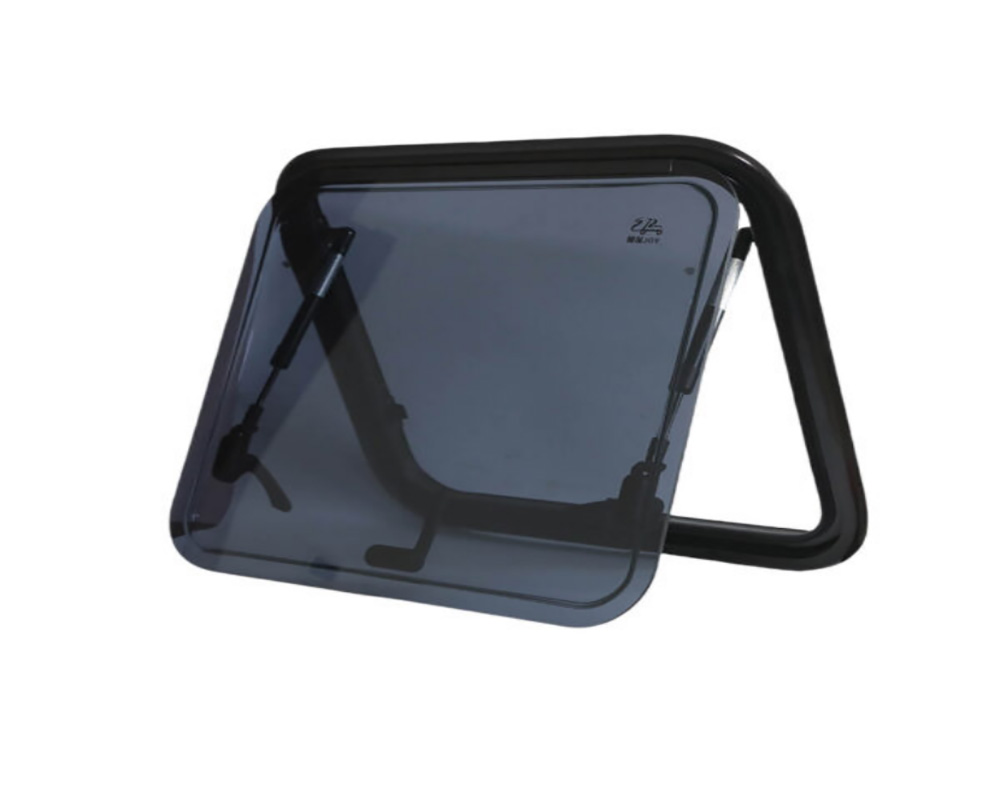
RV windows do not all have the same shape. Some use rectangular panels, while others have rounded corners, angled edges, or curved profiles that follow the vehicle body. アクリル板 can be cut and fabricated into different shapes, making it an option for replacement panels and custom window designs.
The finished shape must still match the frame, gasket, and fastening arrangement. Before ordering, provide a drawing with the overall dimensions, corner radii, cut-outs, and any required curved sections so the supplier can assess whether the requested panel can be fabricated.
Acrylic sheet can be processed using suitable cutting, drilling, edge-finishing, and thermoforming methods. These options are useful when a standard sheet must be converted into a panel that matches a particular RV window opening. The appropriate process depends on the sheet grade, thickness, shape, and required edge quality.
A flat replacement may only require accurate cutting and finished edges, while a curved window may need controlled forming. Confirm the finished geometry and processing requirements before selecting the sheet, especially when the panel includes holes, notches, or tight curves.
After confirming that acrylic is suitable for the design, buyers need to specify the dimensions and thickness that will fit the window assembly. These details should be based on the existing panel or approved design rather than on a general assumption that thicker sheet is always better.
Sheet thickness affects panel stiffness, weight, edge engagement, and compatibility with the existing window assembly. A larger panel may need a different thickness from a smaller panel, but the opening size alone is not enough to determine the correct specification. Frame support, unsupported span, mounting method, and the original window design must also be considered.
Do not select a thicker sheet simply because it appears stronger. Increasing thickness can change the panel’s fit within the frame and may interfere with the gasket or retaining hardware. When replacing an existing panel, record its original thickness and frame details; for a new design, ask the window or vehicle designer to confirm the required thickness and support arrangement.
Once the thickness requirement is established, define the sheet dimensions and allowable variation. The nominal sheet size must allow enough material for the finished panel, including its edges, corners, holes, and any forming allowance. Buyers sourcing an 窓用アクリル板 should distinguish between the raw sheet dimensions and the final cut dimensions. They should also confirm the permitted thickness tolerance, because nominal thickness does not necessarily mean every point on the sheet has exactly the same measurement.
A practical purchase specification should include the required length, width, thickness, dimensional tolerance, and quantity. For shaped panels, provide a dimensioned drawing instead of relying on a rough description. Confirm with the supplier whether the quotation covers raw sheets or finished, cut-to-size panels.
Correct dimensions are only part of the fit requirement; the replacement panel must also work with the original mounting structure. Differences in thickness, edge profile, corner radius, hole position, and gasket clearance can prevent the panel from seating correctly. Existing RV windows may also use specific glazing arrangements that should not be changed without checking the manufacturer’s requirements.
ACRYLITE provides guidance on acrylic glazing fabrication and installation, which can help buyers identify details to consider when specifying a panel. Review the guidance relevant to the intended application: ACRYLITE glazing fabrication and installation guidance.
For a replacement order, submit the original panel measurements, frame information, and mounting details together. If the original material or glazing arrangement is unknown, verify it before substituting acrylic for another material.
Once the panel dimensions and installation requirements are clear, material performance becomes the next selection priority. Optical quality, weathering evidence, impact data, and suitability for fabrication should be reviewed separately so that one favorable specification does not conceal a limitation in another.
Light transmission describes how much light passes through a sheet, while haze indicates how much transmitted light is scattered and can make the view appear cloudy. These measurements describe different aspects of optical performance. A high light-transmission figure does not, by itself, prove that a panel will provide a clear, undistorted view.
ASTM D1003 covers test methods for haze and luminous transmittance of transparent plastics. Buyers can use data based on this standard to compare proposed materials, provided the tested thickness and conditions are relevant to the intended panel.
For an RV window requiring clear outward visibility, request light-transmission and haze data for the actual grade and thickness being quoted. If the window needs a tinted appearance, confirm the available tint and its effect on light transmission before approving the material.
RV windows are exposed to changing outdoor conditions, including sunlight, temperature variation, rain, and road use. The material’s performance depends on its grade, thickness, surface condition, and the way the panel is installed.
When evaluating a UV resistant acrylic sheet, ask what weathering tests or supporting product data are available, and check the test conditions before comparing results. ASTM G154 describes the use of fluorescent UV lamps to expose nonmetallic materials to UV light and moisture under controlled conditions. Results should be interpreted according to the actual exposure cycle and acceptance criteria.
Impact performance also needs to be evaluated against the application. An 耐衝撃性アクリル grade may be available for particular requirements, but the phrase alone does not establish that the material is suitable for every RV window or that it can replace another glazing material without further review. Request the test method, specimen thickness, reported value, and relevant product grade. If impact resistance is the main purchasing priority, compare the available acrylic data with the requirements of the original window assembly before approving the material.
The selection decision should follow the actual exposure and impact requirements: verify the relevant test evidence and confirm the intended installation rather than relying on a general claim of UV or impact resistance.
The manufacturing process also matters because the selected sheet must suit the intended cutting or forming method. Cast and extruded acrylic sheets are produced through different processes, which can affect available thicknesses, dimensional consistency, and suitability for particular fabrication operations. The better choice depends on the finished panel and the processing route, rather than on a blanket claim that one type is always superior.
For flat panels requiring straightforward cutting, evaluate the supplier’s available grades, thickness tolerances, and finished-edge requirements. For panels that need thermoforming or more complex shaping, discuss the intended forming process with the supplier before ordering. Confirm that the selected grade can support the required geometry and fabrication method.
With the application, dimensions, and performance requirements defined, buyers can compare those needs with the supplier’s available products and processing services. The specifications below are a starting point for discussion and should be confirmed against the current product datasheet and quotation.
| 項目 | Published specification to confirm |
| 素材 | PMMAアクリル板 |
| 厚さの範囲 | 3–12 mm |
| 標準的なシートサイズ | 1220 × 2440 mm |
| 光透過率 | Reported as 92%; confirm grade, thickness, and test report |
| ヘイズ | Reported below 1%; confirm grade, thickness, and test report |
| Notched Izod impact strength | Reported as 15 kJ/m²; confirm test method, units, and report |
| Weathering result | Reported as ΔE below 3 after 5,000 hours; confirm exposure conditions and report |
| 密度 | Reported as 1.19 g/cm³ |
| カラーバリエーション | Clear, smoke, bronze, and blue |
| 処理オプション | Cutting, edge finishing, drilling, and thermoforming |
The sheet’s available size and fabrication capabilities determine whether a supplier can deliver the required finished panel. Flat panels are generally simpler to specify because their finished dimensions and edge details can be shown directly on a drawing. Curved panels require additional information about the profile, forming direction, final dimensions, and how the panel will sit within the frame.
For a flat replacement, provide the length, width, thickness, and edge details. For a curved panel, supply a profile drawing or template and confirm the finished dimensions after forming. Do not approve a curved panel based only on the dimensions of the flat starting sheet.
Color selection should follow the intended visibility and appearance of the window. Clear acrylic is an option when the priority is an unobstructed view. Smoke, bronze, and blue options can be considered when the design calls for a tinted appearance, but the selected color can change the amount and character of light passing through the panel.
Do not choose a tint from a color name alone. Request a sample or product data for the proposed color and thickness, then confirm whether its appearance and light transmission meet the window’s intended use.
The processing specification should describe the finished component, not just the raw material. Cutting determines the outline, edge finishing affects the final edge condition, drilling creates fixing points, and thermoforming is used when the panel needs a formed profile. Each operation must be planned around the panel drawing and installation method.
For a replacement panel with existing mounting holes, provide their diameter, position, and tolerance. For a panel with shaped edges or a curved profile, share the drawing and identify which dimensions must be controlled. Confirm whether the supplier will deliver raw sheet, cut panels, or fully fabricated components.
Weight affects handling and the load carried by the window frame. For a flat panel, an approximate material-weight estimate can be calculated using the panel’s length, width, thickness, and material density. The estimate should use consistent units and should not be confused with the total weight of the finished assembly, which may include seals, fasteners, and other components.
For purchasing calculations, provide the finished panel dimensions and specified thickness. Ask the supplier to confirm the density used in the estimate, especially when comparing alternative materials or calculating the combined weight of several panels.
The sheet’s surface needs suitable care after installation to maintain its appearance. The selected cleaning method should be compatible with the acrylic grade and any surface treatment. Abrasive materials or unsuitable chemicals may scratch or damage the surface. Cleaning guidance can vary by product and manufacturer.
Before putting a panel into service, request the supplier’s care instructions for the specific sheet. Use the recommended cleaning materials and method, and confirm compatibility before applying any chemical cleaner.
The following answers address common purchasing questions about acrylic thickness, material substitution, product options, quality checks, and quotation requirements.
There is no single thickness that suits every RV window. The required thickness depends on panel dimensions, frame support, mounting details, and the original window design. Measure the existing panel and confirm the specification with the window designer or supplier before ordering.
Acrylic may be suitable for some applications, but it should not automatically replace glass in an existing assembly. The original glazing design, safety requirements, frame, mounting method, and applicable regulations must be checked first. Confirm material compatibility before making a substitution.
The listed options include clear, smoke, bronze, and blue sheets, with processing options such as cutting, edge finishing, drilling, and thermoforming. Buyers should confirm current color availability, size limits, tolerances, and fabrication capability for their specific drawing before placing an order.
Compare the material grade, thickness tolerance, optical data, impact-test method, weathering evidence, and consistency of the supplied documentation. Request data for the actual grade and thickness being quoted rather than comparing isolated figures without their test conditions.
Provide the required material, thickness, panel dimensions, shape, color, quantity, and any cutting, drilling, edge-finishing, or forming requirements. A dimensioned drawing and the intended application help the supplier assess feasibility and quote the correct scope of work.
For RV window buyers, the value of an acrylic product lies in how well the material and fabrication options can be matched to the finished panel. Clear and tinted sheets, different thicknesses, and suitable processing options can help buyers specify panels for different window shapes and mounting arrangements. Cutting, edge finishing, drilling, and thermoforming should be confirmed against the required drawing so the ordered product matches the intended design.
Before approving an order, make sure the selected grade, optical data, dimensions, and fabrication details are documented. This gives the purchasing team a clearer basis for checking samples, comparing quotations, and confirming that the delivered panels match the approved design.
If you are looking for a reliable acrylic sheet supplier for RV windows, contact Jingruite for product options, technical specifications, and a quotation based on your required panel dimensions, thickness, color, shape, and fabrication needs.
 159月
 159月
 1710月
 2310月