Почему акриловые листы идеально подходят для современных кухонных шкафов
Введение в использование акриловых листов для кухонь
Что такое акрил и как он‘Сделано
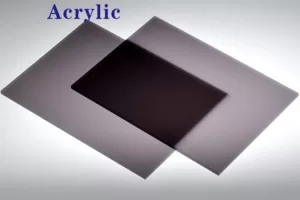
Акриловые листы изготавливаются из пластиковой смолы под названием ПММА, из которой путем литья или экструзии получают плоские панели. Лист ПММА доступен в нескольких различных вариантах: оптически прозрачный, матовый с матовым покрытием с обеих сторон, декоративный текстурированный и зеркальный с вакуумным металлическим покрытием. Каждый тип отличается своим балансом характеристик — одни оптимизированы для прозрачности и пропускания света, другие — для долговечности или создания более солидного и массивного впечатления.
Растущая популярность в современном дизайне кухонь
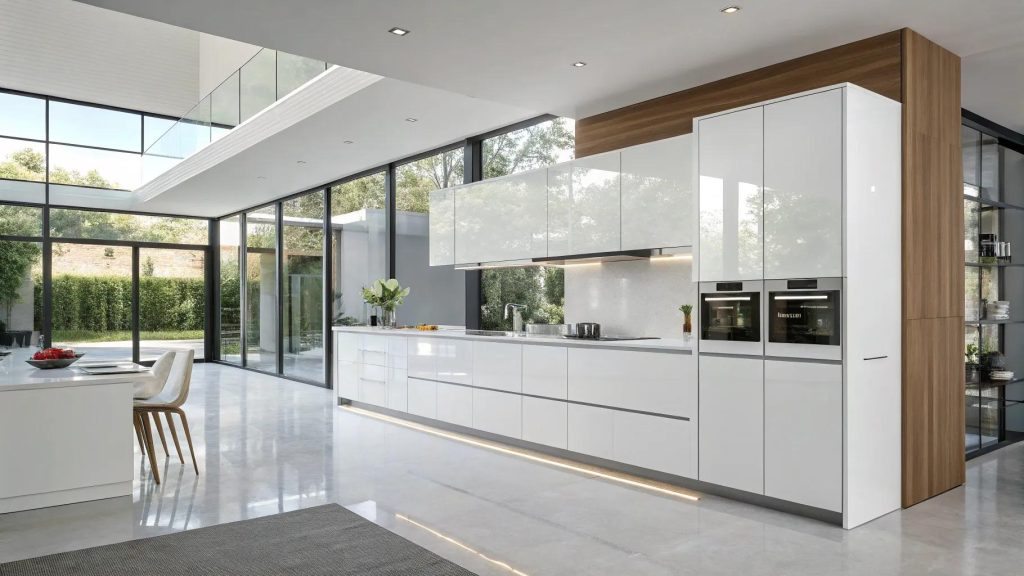
Зайдите сегодня в любую недавно отремонтированную кухню, и, скорее всего, фасады шкафов будут не из дерева, а из акрила. Домовладельцы и дизайнеры интерьеров ценят гладкие, нетребовательные в уходе поверхности, которые гармонично вписываются в эстетику минималистских, роскошных и открытых кухонь. Благодаря сочетанию лёгкой конструкции, водостойкости и возможности индивидуальной отделки акрил является отличным выбором для дверей шкафов, фасадов ящиков и декоративных акцентов как в новых кухнях, так и при ремонте.
По сравнению со стеклом: акрил на 50% легче и в 17 раз более ударопрочен, не разбивается на острые осколки.
По сравнению с массивом дерева/МДФ: полное отсутствие риска разбухания от воды, коробления или появления плесени во влажных зонах кухни.
По сравнению со стандартным ламинатом: превосходная устойчивость к появлению пятен, устойчивость к ультрафиолетовому излучению, предотвращающая пожелтение, а также гораздо более широкий выбор глянцевых, металлических и декоративных вариантов отделки.
Преимущества использования акриловых листов для кухонных шкафов
Высокий блеск и современный дизайн
Прозрачный акрил обеспечивает коэффициент светопропускания 92% и имеет поверхности с зеркальной полировкой, в то время как зеркальный акриловый лист Обеспечивает яркий отражающий блеск золотистого/серебристого металлического оттенка, создавая роскошный стиль кухни. Это сверхгладкое, неискажающее изображение глянцевое покрытие придает поверхности изысканный и престижный вид, характерный для современных минималистских кухонь, и, отражая свет, значительно осветляет компактные кухонные помещения.
Устойчивость к влаге и пятнам
Акрил PMMA отличается высокой химической стойкостью: он устойчив к воздействию слабых кислот, щелочных веществ, попадающих на кухне, жиру и пищевым пятнам. Матовые, прозрачные, декоративные и зеркальные сорта одинаково устойчивы к постоянной влажности на кухне; зеркальный акрил изготовлен по УФ-стойкой формуле, рассчитанной на 5–8 лет стабильности при наружном применении, что означает десятилетия влагостойкости в помещении без пожелтения или деградации. В отличие от дерева или МДФ акрил не деформируется, не пузырится и не расслаивается вокруг раковин, посудомоечных машин или кухонных плит.
Долговечность и устойчивость к царапинам
Все четыре варианта акрила обладают поверхностью, устойчивой к царапинам с минимальной твердостью по шкале потертости карандашом 2H. Прозрачный акрил демонстрирует ударную вязкость по методу Изода с надрезом 16 кДж/м², матовый акрил — в 10 раз превосходит стекло по ударопрочности, а прочность на изгиб декоративного акрила превышает 80 МПа. Шкафчики гораздо лучше выдерживают повседневные удары, падения кастрюль и царапины от кухонной утвари, чем поверхности из стекла или мягкой древесины. Кроме того, разбитый акрил не представляет опасности в виде острых осколков, что крайне важно для семейных кухонь.
Легкий и простой в установке
Одним из практических преимуществ акрила является его легкая конструкция. Низкая плотность акрила колеблется от 1,19 г/см³ (прозрачный, матовый, декоративный) до 1,2 г/см³ (зеркальный акрил). Такая лёгкость снижает нагрузку на петли шкафов, предотвращает провисание больших дверей шкафов и упрощает транспортировку, раскрой и монтаж. Монтажники используют двусторонний скотч, крепление винтами или монтаж на раму, при этом не требуется тяжёлого конструктивного усиления.
Широкий выбор цветов и вариантов отделки
Акрил обеспечивает большую свободу в дизайне, чем многие традиционные материалы для изготовления шкафов.
Акриловое зеркало: стандартные золотистые и серебристые металлические отражающие покрытия; возможен заказ зеркальных оттенков по индивидуальному заказу
Прозрачный акрил: полностью прозрачная основа с вариантами поверхности — прозрачной, устойчивой к УФ-излучению или с антибликовым покрытием
Матовый акрил с эффектом «фрост»: однородная двусторонняя матовая текстура с коэффициентом светопропускания 85–92%
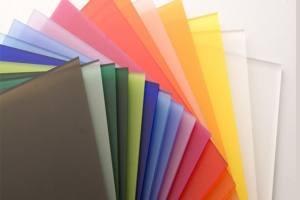
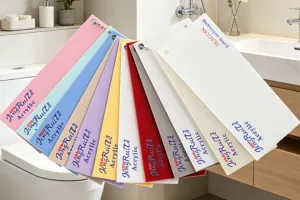
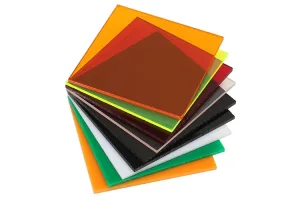
Декоративный акрил: более 50 текстур (мрамор, дерево, геометрические узоры, абстрактные блестящие узоры), более 300 однотонных, полупрозрачных и металлических цветов, а также двухцветные градиентные узоры на заказ
Виды акриловых листов для кухонных шкафов
Прозрачные акриловые листы
Прозрачные листы ПММА толщиной от 1 мм до 50 мм используются в качестве прозрачных фасадов для дверей шкафов, панелей открытых стеллажей или безстеклянных вставок для кладовых. Благодаря коэффициенту светопропускания 92%, сертификату безопасности FDA для контакта с пищевыми продуктами и соответствию требованиям RoHS, они надежно обрамляют экспозиции посуды, не обладая при этом хрупкостью стекла. Стандартные размеры листов — 1220×2440 мм и 1524×3048 мм; их можно полностью адаптировать к точным размерам шкафов с помощью лазерной резки.
Матовые/матово-прозрачные акриловые листы
Двусторонний матовый акрил с матовым покрытием снижает резкие блики благодаря коэффициенту отражения поверхности ≤10% и коэффициенту рассеивания света >90%. Идеально подходит для шкафов в кладовой, дверей ниш для бытовой техники или нижних шкафов, защищающих от посторонних взглядов: он смягчает освещение на кухне и скрывает беспорядок среди хранящихся предметов. Устойчивость к тепловым деформациям при 80 °C позволяет выдерживать остаточное тепло от духовки и варочной панели, а его грязеотталкивающая матовая поверхность лучше скрывает мелкие пятна, чем глянцевые покрытия.
Декоративные и узорчатые акриловые листы
Декоративный акрил художественного качества (толщиной от 2 мм до 20 мм) придает изысканность акцентным шкафам, фасадам кухонных островов и панелям для хранения вина. Текстуры под мрамор и дерево имитируют натуральный камень и древесину, не подверженные воздействию влаги, а блестящие, металлические и геометрические узоры создают яркие акценты. Материал подходит для гравировки с ЧПУ, термоформования и трафаретной печати, что позволяет создавать полностью индивидуальные детали шкафов; его состав, сертифицированный по стандарту LEED, отличается низким содержанием летучих органических соединений (ЛОС) и отсутствием формальдегида, что обеспечивает здоровое качество воздуха в помещении.
Зеркальные и светоотражающие акриловые листы
Акрил с вакуумным металлическим покрытием обеспечивает функциональность зеркала без рисков, связанных со стеклом. Односторонние зеркальные покрытия светло-золотистого и серебристого оттенков идеально подходят для отделки фартуков, зеркальных дверей верхних шкафов, визуально расширяющих пространство небольших кухонь, а также для зеркальных оснований открытых витрин. Имея гарантированный срок службы в помещении 10 лет, они устойчивы к запотеванию от кухонного пара и легко очищаются без образования разводов.
Как выбрать подходящий акриловый лист
Вопросы, связанные с толщиной и размерами
Стандартные панели для дверей шкафов лучше всего подходят для акрила толщиной 3–10 мм: более тонкий акрил (1–2 мм) подходит для декоративной отделки, а толщина 8–10 мм — для больших дверей шкафов без подпор, чтобы предотвратить их небольшое прогибание. Подбирайте размеры необработанных листов (1220×2440 мм / 1500×3000 мм для зеркального акрила; 1220×2440 мм / 1524×3048 мм для прочих видов) так, чтобы свести к минимуму отходы при резке во время изготовления шкафов. Толщина зеркального акрила составляет от 1,8 мм до 10 мм, а матового и декоративного — от 1 мм и 2 мм соответственно.
Поверхностная отделка и текстура
Глянцевая/зеркальная отделка: идеально подходит для открытых, светлых кухонь, где хочется создать ощущение элегантности и простора
Матовое покрытие с эффектом «инея»: идеально подходит для оживленных семейных кухонь, кладовых или помещений, в которых часто возникают яркие блики от окон
Декоративная поверхность с узором: рекомендуется использовать для акцентных островков, барных шкафов или настенных шкафов, служащих элементом интерьера. Всегда проверяйте твердость поверхности (минимальная твердость по шкале карандаша 2H для всех сортов) с учетом повседневной эксплуатации на кухне.
Компромиссы между бюджетом и качеством
Простой прозрачный акрил — самый экономичный вариант, матовый акрил с эффектом «мороженого стекла» занимает среднюю ценовую категорию, зеркальный акрил стоит немного дороже из-за металлизированного покрытия, а декоративный акрил с индивидуальным рисунком требует наибольших вложений. Все четыре вида материала обеспечивают более длительный срок службы, чем ламинат или шпон, поэтому более высокая первоначальная стоимость в долгосрочной перспективе окупается за счёт отсутствия необходимости в частой реставрации или замене более дешёвых поверхностей шкафов.
Сочетание со стилем кухни и кухонными шкафами
Минималистские кухни идеально сочетаются с прозрачным или матовым акрилом; в современных роскошных дизайнах преобладают зеркальные панели золотого и серебряного цветов; в кухнях в стиле бохо и «органического модерна» используется декоративный акрил с мраморным узором или имитацией дерева. Акрил отлично соединяется с металлическими каркасами шкафов и прекрасно сочетается с основами из массива дерева в индивидуальных проектах с использованием различных материалов.
Советы по установке и техническому обслуживанию
Резка, сверление и монтаж акриловых панелей
Лазерная резка обеспечивает точность ±0,5 мм, что позволяет получить ровные края дверец шкафов; циркулярные пилы с мелкозубчатыми дисками являются альтернативным вариантом для резки в домашних условиях. При сверлении необходимо использовать низкие обороты, чтобы избежать появления трещин, а термоформование (при температуре 140–170 °C для прозрачных и декоративных сортов) позволяет придавать панелям шкафов изогнутую форму. Закрепляйте панели с помощью двустороннего скотча, скрытых винтов или рамочного крепления — при монтаже всегда оставляйте зазоры для теплового расширения, чтобы предотвратить деформацию при перепадах температуры.
Чистка и уход для длительного блеска
Все виды акрила следует протирать мягкой влажной тканью или разбавленным нейтральным моющим средством. Важное правило: избегайте использования спирта, аммиака и агрессивных органических растворителей, которые повреждают зеркальные покрытия и матовые/матово-прозрачные текстуры. Снимайте защитную полиэтиленовую пленку только после полной установки шкафа, чтобы предотвратить появление царапин на поверхности во время монтажа. Для зеркального акрила подходят мягкие чистящие средства на водной основе, которые сохраняют отражающие металлизированные слои без потери цвета.
Как избежать типичных ошибок при установке
Никогда не устанавливайте акрил вплотную к невентилируемым источникам тепла (для фартуков над плитой необходимо оставлять небольшие воздушные зазоры); не используйте абразивные мочалки, которые могут поцарапать поверхности с твердостью 2H; не применяйте строительные клеи с высокой кислотностью или щелочностью, которые со временем разрушают смолу PMMA. В случае зеркального акрила убедитесь, что отражающая обратная сторона обращена внутрь, в сторону шкафов для хранения, а покрытый слой защищен от прямого воздействия влаги.
Идеи для дизайна и области применения
Современные кухонные шкафы в стиле минимализм
Прозрачные глянцевые акриловые дверцы шкафов от пола до потолка создают лаконичные, цельные минималистичные интерьеры, популярные на кухнях городских квартир и в новых домах в современном стиле. Матовый акрил с эффектом «фрост» смягчает строгость полностью белых минималистичных шкафов, придавая интерьеру более теплый и сдержанный вид.
Цветные и декоративные акцентные шкафчики
Используйте декоративный акрил с блестками, металлическим эффектом или мраморным рисунком на фасадах ящиков кухонного острова или на фасадах шкафчиков для вина, чтобы создать привлекательные акценты, при этом оставляя окружающие шкафы нейтральными — прозрачными или матовыми — для достижения сбалансированного дизайна. Полупрозрачный цветной декоративный акрил придает мягкий оттенок света витринам без стекла.
Зеркальные панели для визуального расширения пространства
В небольших кухнях-камбузах визуально увеличивается площадь за счёт верхних дверец шкафов из акрила с зеркальным покрытием светло-золотистого оттенка — отражения рассеивают естественный и искусственный свет, устраняя тесные тёмные углы. Акрил с зеркальным покрытием также используется в качестве отражающей плинтусной накладки под нижними шкафами, создавая ненавязчивый роскошный акцент.
Интеграция с другими материалами (дерево, металл)
Сочетайте акриловые вставки с каркасами шкафов из массива дерева, чтобы создать гибридный стиль, сочетающий в себе элементы рустикального и современного стилей; устанавливайте акриловые дверцы на металлические каркасы шкафов из матового алюминия, чтобы придать кухне индустриальный облик. Декоративный акрил с имитацией деревянного узора — это не требующая ухода альтернатива фасадам из массива дерева, которые требуют тщательного ухода.
Часто задаваемые вопросы (FAQ)
Вопрос 1: Подходят ли акриловые листы для кухонь с высокой влажностью?
A: Да. Все акриловые материалы из ПММА устойчивы к кухонному пару, брызгам из раковины и влажной среде.
Вопрос 2: Как следует чистить и ухаживать за акриловыми дверцами шкафов?
A: Пожалуйста, используйте только мягкую салфетку из микрофибры и чистую воду или мягкое нейтральное мыло. Не используйте средства для мытья стекол, спирт и средства, содержащие отбеливатель. Регулярное аккуратное протирание предотвратит накопление жира и поможет сохранить глянцевую, матовую и зеркальную поверхности в идеальном состоянии.
Вопрос 3: Какова оптимальная толщина акриловых листов, используемых в кухонных шкафах?
A: Стандартные плоские дверцы шкафов: 3–6 мм. Большие широкие дверцы (шириной более 80 см): 8–10 мм для предотвращения коробления. Декоративная окантовка, панели и зеркальная окантовка: листы толщиной 1,8–3 мм.
Вопрос 4: Акриловый лист стоит дороже, чем древесноволокнистая плита средней плотности (МДФ) или древесина?
A: Хотя первоначальные затраты на материалы составляютакриловый листхотя и превышает стоимость массива дерева, МДФ или недорогой хвойной древесины, он позволяет избежать повторяющихся затрат, связанных с шлифовкой, окрашиванием, герметизацией и заменой дверец шкафов, поврежденных под воздействием влаги. Срок службы в помещении составляет более 10 лет, что обеспечивает превосходную долгосрочную экономическую выгоду.
Заключение
Акриловые листы сочетают в себе долговечность, влагостойкость, лёгкость и современный эстетический вид. Они выпускаются с прозрачной, матовой, декоративной и зеркальной поверхностью, что открывает широкие возможности для дизайна кухонь в самых разных стилях.
Для современных кухонь требуются материалы, которые сочетают в себе стильный внешний вид и простоту ухода. Благодаря элегантному внешнему виду, водостойкости и долговечности акрил является надежным выбором для изготовления дверей шкафов, фасадов ящиков и декоративных элементов.
Если вы планируете ремонт кухни или обновление кухонных шкафов, рекомендуем ознакомиться с различными вариантами акриловых покрытий, чтобы подобрать наиболее подходящий для вашего помещения и стиля интерьера.
Введение В постоянно развивающемся мире материаловедения акриловые листы давно славятся своей универсальностью и прочностью. Однако по мере того, как требования к дизайну становятся все более...
Для современных проектов в области дизайна интерьера, освещения и приватности полупрозрачные материалы просто необходимы. От правильного выбора зависит внешний вид, безопасность, стоимость установки и срок службы. 1....
Введение Ванная комната перестала быть просто функциональным помещением; она превратилась в личное убежище для релаксации и омоложения. Однако эта среда...
Введение Материалы для отделки интерьера определяют общий эстетический эффект, срок службы и экологическую безопасность коммерческих и жилых помещений. Для оформления интерьера высокого класса используются декоративные акриловые...