Почему двухцветные акриловые листы являются предпочтительным материалом для изготовления вывесок с лазерной гравировкой
Введение
Любой, кто занимался массовым производством гравированных табличек, знает, с какими трудностями приходится сталкиваться. Закрашивание краской требует дополнительных трудозатрат, напечатанная графика со временем может изнашиваться, а обеспечить стабильное качество сотен деталей не всегда просто.
Именно по этой причине двухцветные акриловые листы стали стандартным материалом во многих мастерских по изготовлению вывесок. Вместо того чтобы полагаться на краску или печать на поверхности, цветовой контраст заложен непосредственно в сам лист. При гравировке верхний слой удаляется, обнажая контрастный цвет сердцевины, что позволяет за один этап создавать четкие и хорошо заметные надписи.
Сегодня двухцветный акрил широко используется для изготовления этикеток на оборудовании, панелей управления, систем ориентирования, бирок для имущества и архитектурных вывесок. Он сочетает в себе долговечность, необходимую для длительной идентификации, с эффективностью производства, которую производители ценят как при реализации индивидуальных заказов, так и при выполнении крупносерийных проектов.
В этой статье мы рассмотрим, как устроены двухцветные акриловые листы, почему их часто используют для лазерной гравировки и как они сравниваются с другими материалами, применяемыми в профессиональном изготовлении вывесок.
Чем двухцветный акрил отличается от стандартных акриловых листов?
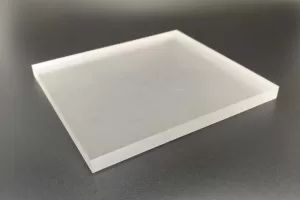
На первый взгляд, а двухцветный акриловый лист Внешне она практически не отличается от любой другой акриловой панели. Разница становится очевидной, как только начинается гравировка. Стандартный акрил имеет одинаковый цвет по всей поверхности листа, поэтому гравированные изображения часто требуют закрашивания, печати или другой отделки для улучшения видимости.
Создан специально для гравировки с самого начала
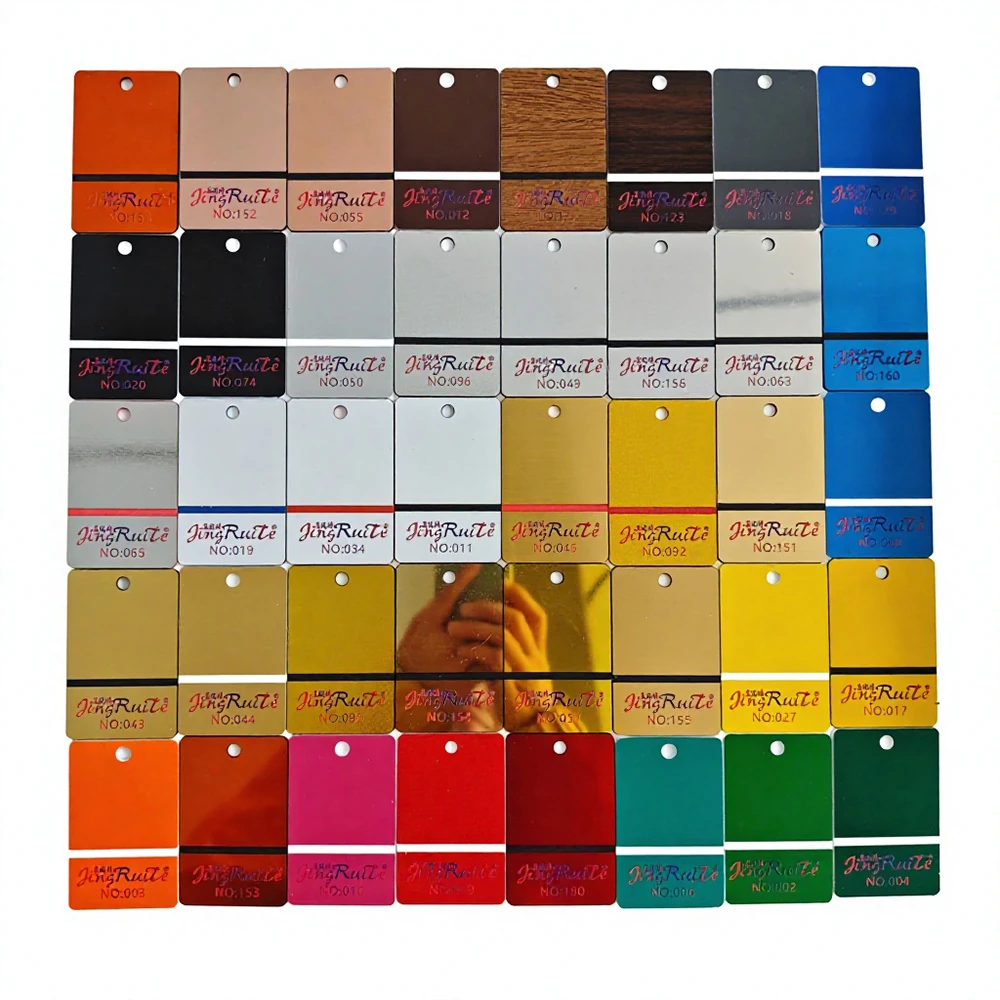
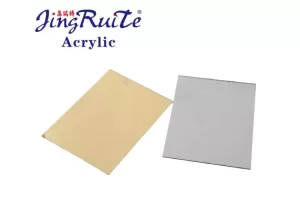
Именно в этом заключается особенность двухцветного акрила. В отличие от одноцветных изделий, он представляет собой тонкий поверхностный слой, соединенный с контрастным базовым слоем, расположенным под ним. Среди популярных комбинаций — «черный/белый», «золотой/черный», «серебряный/черный» и «красный/белый».
При использовании стандартного акрила для создания высококонтрастной графики обычно требуются дополнительные операции после гравировки. Многие мастерские по изготовлению вывесок решают эту проблему с помощью закрашивания краской, трафаретной печати или наклеивания самоклеящихся этикеток. Хотя эти методы и эффективны, они увеличивают время производства и создают риск несоответствия качества.
С помощью двухцветный акриловый лист, контраст уже заложен в самом материале. Гравированный рисунок становится частью самого листа, а не наносится на его поверхность впоследствии. Благодаря этому готовая маркировка обладает большей стойкостью к износу при обращении, очистке и повседневном использовании.
Как лазерная гравировка позволяет раскрыть второй цвет
Процесс гравировки довольно прост. При лазерной гравировке луч удаляет только тонкий верхний слой материала, обнажая контрастный цвет, находящийся под ним.
Поскольку процесс является бесконтактным, при этом не возникают режущие силы, способные привести к образованию заусенцев или деформации мелких деталей. В результате получается четкая и аккуратная гравировка с превосходной четкостью контуров даже на мелком тексте и сложных графических элементах.
Во многих случаях изделие считается готовым сразу после завершения гравировки. Нет необходимости в заполнении краской, нанесении герметиков или других дополнительных операциях. После настройки параметров лазера предприятия могут также поддерживать высокую стабильность глубины гравировки и контрастности при изготовлении больших партий продукции. Именно это сочетание точности и простоты во многом объясняет, почему данный материал стал производственным стандартом во многих сферах изготовления вывесок.
Почему рекламные мастерские по-прежнему используют двухцветный акрил
Помимо продуманной конструкции, специалисты стремятся к стандартизации по прагматическим соображениям гравировка акрилового листа материалы.
В производстве важны стабильные результаты
Для предприятий, занимающихся изготовлением этикеток для оборудования, панелей управления или идентификационных бирок в больших количествах, стабильность качества зачастую не менее важна, чем внешний вид.
Поскольку контрастный слой встроен непосредственно в материал, качество гравировки, как правило, остается одинаковым на протяжении всей партии продукции. Здесь нет краски, которая могла бы варьироваться от детали к детали, и нет процесса печати, требующего согласования цвета между партиями.
Такая предсказуемость позволяет сократить объем доработок и облегчает обеспечение стабильного качества готовой продукции при повторных заказах.
Меньше этапов, более быстрое выполнение заказа
Каждый дополнительный этап производства требует дополнительного времени. В случае традиционных гравированных табличек это может включать закрашивание, удаление излишков краски и ожидание высыхания поверхностей перед отправкой или установкой.
Двухцветный акрил позволяет значительно сократить объем дополнительных работ. По завершении гравировки готовый рисунок уже виден, что позволяет во многих проектах сразу переходить к следующему этапу производства.
Для магазинов, занимающихся выполнением индивидуальных заказов или работающих в условиях сжатых сроков, оптимизация рабочего процесса может существенно сократить время выполнения заказа. Заказ материалов в виде акриловый лист нестандартного размера Предварительная распиловка по размерам заготовки позволяет ещё больше сократить время подготовки перед началом гравировки.
Подходит для использования в самых разных условиях
Этот же материал можно использовать для изготовления таблички на дверях офиса, панели управления на заводе или уличной идентификационной таблички. Такая универсальность является одной из причин, по которой двухцветный акрил по-прежнему пользуется популярностью в различных отраслях промышленности.
При использовании в помещениях материал обеспечивает аккуратный и профессиональный вид при минимальных затратах на обслуживание. Варианты, предназначенные для наружного применения, обладают повышенной устойчивостью к ультрафиолетовому излучению и атмосферным воздействиям, что позволяет вывескам сохранять читаемость и внешний вид даже при длительном воздействии внешних факторов. Благодаря диапазону рабочих температур от -40 °C до 80 °C материал надежно работает в условиях, характерных как для промышленных, так и для коммерческих объектов.
В результате производители часто используют материалы одного и того же семейства для самых разных проектов, вместо того чтобы закупать различные материалы для гравировки под каждое конкретное применение.
Типичные области применения двухцветных акриловых вывесок с лазерной гравировкой
Одной из причин, по которой двухцветный акрил по-прежнему так широко используется, является его универсальность. Этот материал можно встретить на заводском оборудовании, на стенах офисов, в коридорах больниц, а также в системах наружной идентификации. Везде, где требуется долговечная и контрастная маркировка, акрил с лазерной гравировкой часто становится одним из первых материалов, которые приходят на ум.
Таблички с техническими данными оборудования и панели управления
Производители часто используют акрил с лазерной гравировкой для изготовления заводских табличек, лицевых панелей оборудования и панелей управления. В производственных условиях эти таблички регулярно подвергаются воздействию масел, охлаждающих жидкостей, чистящих химикатов и постоянным механическим воздействиям.
Поскольку информация наносится методом гравировки непосредственно в материал, а не печатается на поверхности, важные маркировки остаются четкими и разборчивыми на протяжении всего срока службы оборудования.
Системы ориентирования и вывески в зданиях
Отели, больницы, школы и офисные здания используют четкие указатели, чтобы помочь посетителям ориентироваться в больших помещениях. Двухцветный акрил является популярным выбором, поскольку сочетает в себе профессиональный внешний вид и отличную читаемость.
Материал можно вырезать лазером в произвольные формы и размеры, а матовая поверхность помогает уменьшить блики при верхнем освещении. Благодаря этому он отлично подходит для номерных табличек, указателей, обозначения отделов и других элементов системы ориентации.
Знаки безопасности и соблюдения норм
На промышленных объектах знаки безопасности должны оставаться разборчивыми в течение многих лет. Предупреждения об опасности, этикетки на электрических щитах, технические характеристики оборудования и уведомления о соответствии требованиям OSHA часто подвергаются регулярной очистке и воздействию суровых эксплуатационных условий.
Лазерная гравировка позволяет наносить постоянные маркировки, которые не отклеиваются, как этикетки, и не стираются так быстро, как при поверхностной печати. В связи с этим многие предприятия используют гравированные акриловые таблички для размещения важной идентификационной и безопасности информации.
Идентификационные бирки и таблички на имуществе
Системы управления активами зачастую используют долговечные серийные номера, штрих-коды и идентификационные бирки. Двухцветный акрил обеспечивает высокую контрастность, необходимую для удобного визуального распознавания, и при этом отличается долговечностью.
Даже в условиях, когда бирки часто подвергаются манипуляциям или истиранию, гравированные маркировки остаются разборчивыми и пригодными для сканирования, что помогает организациям вести точный учет оборудования.
Дисплеи для коммерческого и институционального использования
Помимо промышленного применения, двухцветный акрил также широко используется в коммерческих интерьерах и общественных местах. Надписи на офисных дверях, стены с именами спонсоров, указательные таблички и памятные доски часто выигрывают благодаря лаконичному внешнему виду этого материала и широкому спектру цветовых сочетаний.
Такие варианты, как «золото-черный» и «серебро-черный», придают изделию престижный вид, а возможность обработки материала с помощью фрезерования с ЧПУ и лазерной резки позволяет дизайнерам включать в конечную конструкцию индивидуальные формы, контуры и крепежные элементы.
Двухцветный акрил по сравнению с другими материалами для гравировки
Ни один из материалов для изготовления вывесок не является идеальным для всех случаев применения. Оптимальный выбор зависит от таких факторов, как условия эксплуатации, предполагаемый срок службы, требования к внешнему виду и бюджет. Часто выбирают двухцветный акрил, поскольку он обеспечивает оптимальный баланс между долговечностью, внешним видом и эффективностью производства, однако в конкретных ситуациях могут лучше подойти другие материалы.
Сравнительная таблица: распространенные материалы для гравировки
Особенность
Двухцветный акрил
Листы для гравировки из АБС-пластика
Печатные акриловые вывески
Металлические таблички с надписями
Стойкость маркировки
Высококонтрастная гравированная графика, встроенная в материал
Хороший контраст, но поверхностный слой, как правило, более мягкий
Со временем напечатанные изображения могут выцветать, поцарапаться или отслоиться
Превосходно, если выполнено должным образом
Устойчивость к ультрафиолетовому излучению и атмосферным воздействиям
Высокая, имеются варианты для использования на открытом воздухе
Умеренный
Не рекомендуется для длительного использования на открытом воздухе
Отлично
Вторичная обработка
Не требуется шпатлевание
Не требуется шпатлевание
Требуется распечатать
Часто требует дополнительных операций по отделке
Гибкость конструкции
Широкий выбор цветов, вариантов отделки и нестандартных размеров
Ограниченный выбор цветов
Неограниченное количество полноцветных графических изображений
Высокая, но процесс изготовления может быть более сложным
Вес
Легкий
Легкий
Легкий
Тяжелее, чем аналоги из пластика
Типичная структура затрат
Умеренные первоначальные затраты при длительном сроке службы
Снижение затрат на материалы
Низкая начальная стоимость
Более высокие затраты на материалы и изготовление
Двухцветные акриловые листы для гравировки и листы из АБС-пластика
АБС-пластик по-прежнему остается популярным материалом для изготовления идентификационных табличек в помещениях и для проектов с ограниченным бюджетом. Как правило, он дешевле акрила и обладает хорошей ударопрочностью.
Однако в условиях воздействия солнечного света, частой очистки или в сложных промышленных условиях акрил зачастую дольше сохраняет свой внешний вид. Его более твёрдая поверхность обеспечивает лучшую устойчивость к царапинам, а составы, предназначенные для наружного применения, обладают повышенной устойчивостью к ультрафиолетовому излучению. По этой причине многие производители вывесок выбирают двухцветный акриловый лист для проектов, требующих более длительного срока службы.
Двухцветные акриловые вывески и акриловые вывески с печатью
Акрил с печатью отлично подходит для случаев, когда требуется полноцветная графика, логотипы или фотографические изображения. Он обеспечивает практически неограниченные возможности в плане дизайна и может стать экономичным решением для изготовления вывесок краткосрочного и среднесрочного использования.
Компромиссом здесь является долговечность. Поскольку изображения нанесены на поверхность, а не вглубь материала, в условиях интенсивного контакта они могут постепенно изнашиваться, выцветать или повреждаться. Акрил с гравировкой часто предпочитают в тех случаях, когда долгосрочная читаемость важнее полноцветной графики.
Двухцветные акриловые и металлические таблички с надписью
Металл по-прежнему считается эталоном исключительной прочности. Нержавеющая сталь и анодированный алюминий широко используются в инфраструктуре открытого пространства, тяжелой промышленности, а также в тех сферах, где вывески могут эксплуатироваться на протяжении десятилетий.
Достижение такого уровня прочности сопряжено с более высокими затратами на материалы, увеличением веса и усложнением технологических процессов изготовления. Для многих этикеток на оборудовании, панелей управления, бирки с инвентарными номерами и внутренних указателей двухцветный акрил обеспечивает аналогичный профессиональный вид, при этом он проще в обработке, легче в монтаже и более экономичен в производстве.
Какой материал обеспечивает наилучшую долгосрочную ценность?
Для многих проектов по изготовлению коммерческих и промышленных вывесок двухцветный акрил обеспечивает оптимальное сочетание эстетического вида, долговечности и эффективности производства. Он избавляет от необходимости закрашивания, демонстрирует отличные эксплуатационные характеристики в самых разных условиях и остается экономически выгодным на протяжении всего срока службы.
Тем не менее, выбор материала всегда должен зависеть от конкретного применения. Если приоритетом является полноцветная графика, то акрил с печатью может оказаться более подходящим вариантом. Если требуется максимальная долговечность при наружном использовании, металл может оправдать свою дополнительную стоимость. Когда целью является создание долговечных, высококонтрастных вывесок с гравировкой при эффективном производстве, двухцветный акрил зачастую является материалом, предлагающим наиболее практичное комплексное решение.
На что следует обратить внимание при выборе двухцветных акриловых листов
Выбор подходящего поставщика — это не только сравнение цен. Стабильное качество сырья, производственные возможности, сроки поставки и техническая поддержка — все эти факторы могут повлиять на качество готовой продукции и эффективность вашего производственного процесса.
Оценка поставщиков по нескольким ключевым критериям на ранних этапах процесса позволяет предотвратить проблемы с качеством и сбои в поставках в дальнейшем.
Доступные цвета, толщина и виды отделки поверхности
Не все поставщики предлагают одинаковый ассортимент продукции. Хотя сочетание «черный/белый» по-прежнему остается наиболее распространённым, во многих проектах требуются альтернативные варианты, такие как «золотой/чёрный», «серебристый/чёрный», «красный/белый» или фирменные цвета заказчика.
Варианты толщины и виды отделки поверхности также различаются в зависимости от поставщика. Прежде чем составить короткий список потенциальных поставщиков, убедитесь, что они могут предоставить именно те комбинации материалов, которые требуются для вашего проекта — будь то тонкие листы для этикеток, более толстые панели для архитектурных вывесок, глянцевая поверхность для декоративных работ или матовая поверхность для помещений с сильным бликом.
Стандартные размеры и поставки по индивидуальному заказу
Большинство производителей предлагают стандартные размеры листов, однако материалы, нарезанные по индивидуальным размерам, позволяют значительно сократить количество отходов и время обработки.
Для рекламных мастерских и производителей оригинального оборудования получение листов, предварительно разрезанных по производственным размерам, позволяет исключить дополнительные операции по резке и повысить эффективность рабочего процесса. При оценке поставщиков уточняйте, предоставляются ли услуги по изготовлению листов нестандартных размеров, резке с ЧПУ или другие дополнительные услуги.
Минимальные объемы заказа и сроки выполнения заказа
Сроки выполнения заказов могут значительно различаться в зависимости от поставщика. Некоторые из них специализируются на крупносерийном производстве, в то время как другие более гибко подходят к изготовлению прототипов и выполнению небольших заказов.
Перед размещением заказа уточните минимальные объемы заказа, графики производства и сроки доставки. Это особенно важно для проектов, предполагающих использование нестандартных цветов, специальных видов отделки или нестандартных размеров, которые зачастую требуют дополнительного времени на изготовление.
Наличие образцов и испытания материалов
Образцы могут выявить проблемы, которые невозможно обнаружить, опираясь только на технические требования.
Прежде чем размещать крупный заказ, протестируйте образцы в условиях вашего реального производственного процесса. Проверьте качество гравировки, контрастность, качество поверхности и однородность материала. Если готовое изделие будет подвергаться воздействию солнечного света, химических веществ или интенсивного износа, возможно, стоит провести дополнительные испытания на воздействие внешних факторов.
С поставщиком, готовым предоставить образцы, технические паспорта и спецификации материалов, как правило, проще работать на этапах разработки и аттестации продукции.
Производственные возможности и контроль качества
Стабильность результатов гравировки в значительной степени зависит от однородности материала.
Узнайте у поставщиков об их технологическом процессе, процедурах контроля качества и стандартах проверки. Отклонения в толщине, качестве поверхности или однородности верхнего слоя могут повлиять на глубину гравировки, контрастность и общий внешний вид.
Для клиентов, выполняющих повторяющиеся производственные задания, стабильное качество от партии к партии зачастую не менее важно, чем сам материал.
Сертификаты и требования к соответствию
В зависимости от области применения могут потребоваться определенные сертификаты. К числу типичных требований относятся соответствие директиве RoHS, классы горючести, испытания на устойчивость к ультрафиолетовому излучению или отраслевая документация.
Если материал будет использоваться в общественных зданиях, транспортных системах, электрооборудовании или на экспортных рынках, необходимо проверить требования к соответствию еще на ранних этапах процесса поиска поставщиков. Как правило, получить необходимую документацию до начала производства проще, чем решать проблемы с соответствием требованиям впоследствии.
Ориентируйтесь на долгосрочную надежность, а не только на цену
Самый дешевый материал не всегда является наиболее экономичным выбором. Такие факторы, как стабильность качества, эффективность производства, срок службы и поддержка со стороны поставщика, зачастую оказывают большее влияние на общую стоимость проекта, чем только цена листа.
Надежный поставщик должен быть способен обеспечить стабильное качество, соблюдение сроков поставки, предоставление технической документации, а также гибкость, необходимую для поддержки вашего конкретного применения. Заблаговременная оценка этих факторов поможет обеспечить более плавный ход производства и избежать неожиданностей по мере расширения масштабов вашего проекта.
Как выбрать подходящий двухцветный акриловый лист для ваших целей
Применение в помещениях и на открытом воздухе
Один из первых вопросов, который следует рассмотреть, — это место установки вывески.
Для использования в помещениях, например, в качестве офисных вывесок, этикеток на оборудовании и систем ориентации, зачастую достаточно стандартного двухцветного акрила. В таких условиях материал подвергается относительно небольшим нагрузкам, что позволяет сохранить четкость гравированной графики на протяжении многих лет.
Установки, эксплуатируемые на открытом воздухе, сталкиваются с различными проблемами. Длительное воздействие солнечных лучей, перепады температур, влага и погодные условия могут постепенно оказывать негативное влияние на некоторые виды пластмасс. Для наружных вывесок, как правило, рекомендуется использовать материалы, устойчивые к ультрафиолетовому излучению, что помогает сохранить стабильность цвета и обеспечить долгосрочную читаемость.
Выбор подходящей толщины
Толщину следует выбирать с учетом того, как готовый знак будет использоваться и устанавливаться.
Листы толщиной от 1,5 мм до 2,0 мм обычно используются для изготовления именных табличек, этикеток на оборудование и идентификационных бирок с клеевым слоем. Для настенных вывесок и панелей управления часто применяются материалы толщиной от 3 мм до 5 мм, что обеспечивает дополнительную жесткость.
Для крупных вывесок, отдельно стоящих панелей и конструкций, требующих повышенной прочности, целесообразно использовать толщину 6 мм или более. В случае сомнений перед утверждением технических характеристик часто бывает полезно обсудить способы крепления и требования к нагрузке с поставщиком.
Выбор оптимальной отделки поверхности
Качество поверхности влияет как на внешний вид, так и на функциональность.
Глянцевые покрытия часто выбирают для декоративных целей, когда важна яркость цвета и визуальный эффект. Матовые покрытия помогают уменьшить блики и могут улучшить читаемость в хорошо освещённых помещениях, таких как заводы, школы, больницы и офисные коридоры.
Текстурированные поверхности встречаются реже, но могут оказаться полезными в специальных областях применения, где требуется дополнительное сцепление, износостойкость или особый внешний вид.
Требования к огнестойкости и ударопрочности
В некоторых проектах предъявляются требования, выходящие за рамки стандартных эксплуатационных характеристик вывесок.
В общественных зданиях, транспортных системах, электрических шкафах или других средах, подпадающих под регулирование, класс воспламеняемости может должен соответствовать определенным стандартам. Важно проверить эти требования на ранних этапах проектирования и убедиться в наличии подтверждающей документации у поставщика.
Также следует учитывать ударопрочность. Хотя стандартный акрил хорошо подходит для большинства видов вывесок, в условиях частого механического воздействия, интенсивной эксплуатации или экстремальных температур может потребоваться использование альтернативных материалов или модифицированных конструкций.
Часто задаваемые вопросы
Вопрос 1: Можно ли использовать двухцветные акриловые листы на открытом воздухе?
A: Да, при условии, что вы укажете состав, предназначенный для наружного применения и устойчивый к ультрафиолетовому излучению. Эти листы выдерживают воздействие солнечного света, дождя и экстремальных температур без значительного пожелтения или отслоения верхнего слоя.
Вопрос 2: В чём заключается разница между двухцветными акриловыми листами и листами из АБС для гравировки?
A: Оба материала относятся к категории пластиков для гравировки с прозрачной и прочной сердцевиной, однако их эксплуатационные характеристики различаются. Двухцветный акриловый лист обладает превосходной атмосферостойкостью, твердостью поверхности и долговечной стабильностью цвета. Листы из АБС для гравировки, как правило, более ударопрочны при очень низких температурах и стоят дешевле, но они более подвержены разрушению под воздействием ультрафиолета и химическому воздействию. Для профессиональных вывесок, которые должны сохранять привлекательный вид в течение многих лет, акрил для гравировки как правило, является предпочтительным материалом.
Вопрос 3: Какая толщина лучше всего подходит для табличек с лазерной гравировкой?
A: Это зависит от способа установки. Для этикеток с клеевым слоем толщина должна составлять 1,5 мм гравировка акрилового листа представляет собой компактное и универсальное решение. Для стандартных табличек на офисных дверях и накладок на панели управления обычно используется толщина 3 мм. Если табличка должна быть установлена в консольном варианте, в рамке или подвергаться механическим воздействиям, следует выбрать толщину 5 мм или более и индивидуальный размер акриловый лист. Подбор толщины с учетом способа крепления и условий эксплуатации гарантирует долговечность вывески и отсутствие деформаций.
Заключение: Является ли двухцветный акрил правильным выбором для вашего проекта?
Для проектов, в которых требуется нанесение долговечной и хорошо различимой маркировки без дополнительных трудозатрат на закрашивание краской или последующую отделку, двухцветный акрил остается одним из наиболее практичных доступных вариантов. Он широко используется для изготовления этикеток на оборудовании, панелей управления, систем ориентирования, знаков безопасности и идентификации активов, поскольку обеспечивает оптимальный баланс между внешним видом, эксплуатационными характеристиками и эффективностью производства.
Как и в случае с любым инженерным материалом, наилучшие результаты достигаются при правильном подборе характеристик материала в соответствии с условиями эксплуатации. В процессе выбора следует учитывать такие факторы, как воздействие ультрафиолета, толщина листа, качество поверхности и нормативные требования. При правильном определении этих требований двухцветный акрил может стать надежным и экономически эффективным решением как для индивидуальных проектов, так и для крупносерийного производства.
Введение Акриловые листы, ценящиеся за свою оптическую чистоту (светопропускание 92%) и универсальность, совершают революцию в различных отраслях промышленности - от аэрокосмической до здравоохранения. Ожидается, что мировой рынок...
Введение Поливинилхлоридные (ПВХ) листы являются основным материалом в строительстве, здравоохранении и электронике благодаря своей долговечности, химической стойкости и экономичности. В условиях глобального рынка ПВХ...
Там, где важны безопасность, красота и долговечность, один материал стоит особняком: огнестойкий акриловый лист. Для проектов в зданиях, общественном транспорте или элитных...
Любой, кто когда-нибудь рассчитывал стоимость установки зеркала, занимающего всю стену, знает, с какими трудностями связано использование стекла: вес, необходимость привлечения монтажной бригады, ответственность в случае, если оно...