


تطبيقات صفائح الأكريليك: الابتكارات والتحولات الصناعية
مقدمة تُعد صفائح الأكريليك، التي تتميز بنقائها البصري (92%) وتعدد استخداماتها، ثورة في الصناعات بدءًا من صناعة الطيران وحتى الرعاية الصحية. ومن المتوقع أن يشهد السوق العالمي...
Choose between cast and extruded acrylic tube by comparing the offered grades against the finished part’s appearance, dimensions, processing, and service conditions. A cast vs extruded acrylic tube decision needs product data and a suitable sample; the manufacturing label alone cannot approve the job.
Two clear tubes can look similar in a catalogue yet arrive with different finishes, size limits, or included work. That makes a simple “which is better?” comparison hard to use. This guide turns the choice into a set of checks you can put on a drawing and discuss with a supplier.
النقاط الرئيسية
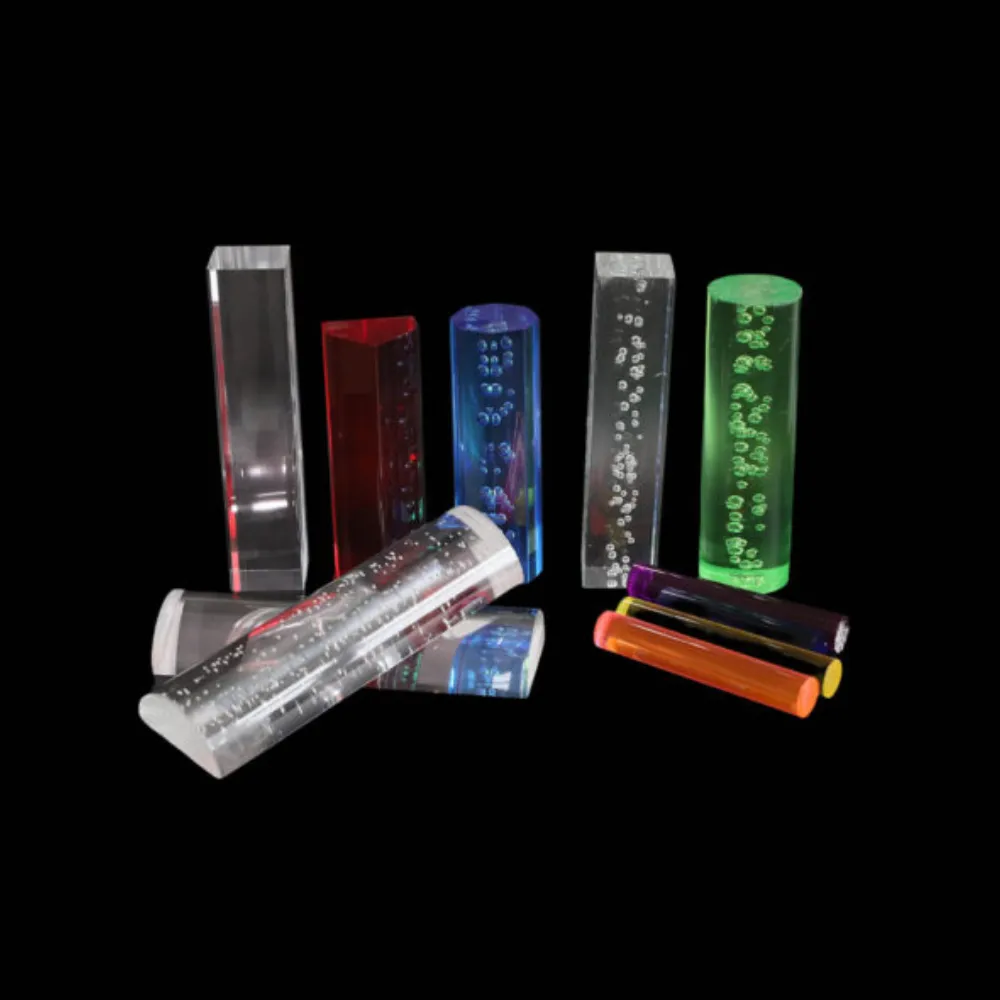
Begin with the part, not a list of general acrylic benefits. Is it a visible display cylinder, a lighting cover, a sleeve that must accept an insert, or a component needing further machining? Describe the function and the surfaces that matter.
For a cast vs extruded acrylic tube comparison, mark which requirements are fixed and which may change. A visible surface may control the choice in one job, while a bore or finished end controls another. Ask who can approve a change before requesting alternatives.
Use the acrylic tube and rod catalogue to identify the product family. Keep hollow tube separate from solid rod. A rod has no bore or tube wall, so it needs a different drawing and set of checks.
A useful cast vs extruded acrylic tube enquiry includes the drawing, quantity, intended use, visible finish, and later work. Add any exposure or documentation needs that could affect selection. Leave unknown fields open for review rather than guessing them.
For your project, send the drawing and sample requirements to JRT Acrylic. Ask which named products and processing options can be offered for that specification.
سيناريو توضيحي: A display builder needs a clear cylinder with visible ends. One quotation covers raw tube and another includes end finishing. The builder asks both suppliers to quote the same finished condition before comparing the material choices.
Cast and extruded describe manufacturing routes. In broad terms, casting forms the material in a mold, while extrusion forms a continuous profile through a die. Ask the supplier to describe its process and finishing steps.
SME Acrylic’s tube comparison describes its cast route using liquid MMA and a centrifugal process, and its extruded route using granular PMMA. This is a tube-specific example. It shows why a description of casting flat sheet should not automatically become a description of every cast tube.
Keep the process description with the product reference in your cast vs extruded acrylic tube review. Ask whether the quotation covers a raw surface, a polished surface, or other finishing. Don’t assume two offers include the same work because both say “clear.”
SME rates its cast product more favorably for cloth-wheel polishing and thick-section drilling. It describes its extruded route as faster to produce, with smaller dimensional variation. Those are that supplier’s comparisons, not universal rankings or JRT specifications.
For an initial cast vs extruded acrylic tube shortlist, review a cast grade when the supplier’s machining and finish guidance better matches the work. Review an extruded grade when its offered dimensions and surface meet the job with the agreed processing. If both remain suitable, compare samples and the complete quote rather than choosing by reputation.
For cast vs extruded acrylic tube selection, a practical question is: “How will this grade perform in our planned operation, and what sample will demonstrate it?” The answer should name the material and finished part. A broad manufacturing comparison is only the starting point. Check the tube product information, then ask for the proposed grade and its supporting documents.
Give both suppliers the same brief. Avoid a table that labels one route excellent in every row and the other merely acceptable. A useful cast vs extruded acrylic tube table records what the buyer needs and what evidence remains open.
| Decision area | What to request for either route | What to review |
|---|---|---|
| المظهر | Named grade, surface condition, representative sample | Lines, marks, clarity, and finish under agreed viewing conditions |
| الأبعاد | Limits for the critical features | Fit and the agreed inspection record |
| المعالجة | Planned operations and finished state | A sample made through the relevant work |
| البيئة | Product guidance for the stated exposure | Whether the material evidence covers the intended conditions |
| Cost and delivery | Included work and sale terms | Comparable scope and confirmed timing |
Keep the cast vs extruded acrylic tube comparison tied to these rows. If an offer is missing a requirement, mark it as unanswered. Don’t replace missing information with a general claim about how that route usually behaves.
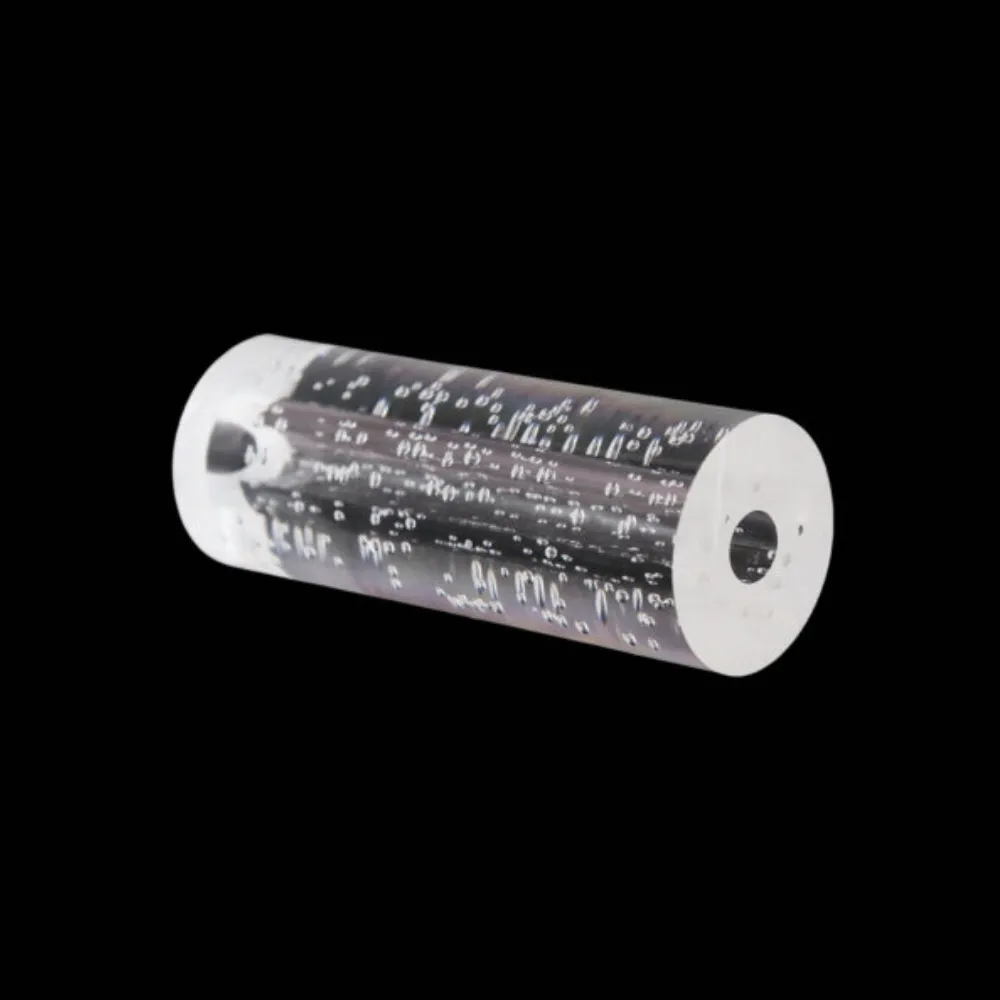
Specify what the viewer will see. A clear cylinder viewed against printed graphics presents a different inspection task from a lighting cover viewed with its light source operating. Show the supplier the visible area and the finish you expect.
For a cast vs extruded acrylic tube appearance check, agree on the background, lighting, orientation, and sample condition. Review relevant surfaces and ends after the proposed finishing. Record any limits on marks or visible distortion in a form both parties understand.
If the design also uses a flat diffuser or panel, specify that as a separate component. The acrylic sheet catalogue is a different product reference; a sheet property does not establish the tube’s performance.
A cast vs extruded acrylic tube price comparison should cover equivalent finished parts. List cutting, machining, polishing, samples, inspection, packaging, and transport terms beside the material price. Ask for any excluded work to be identified.
Don’t assume a fixed percentage premium between the routes. Compare the actual offers for your quantity and specification. Confirm whether the delivery estimate covers stock supply, sample preparation, production, or transport.
Here is an invented cast vs extruded acrylic tube quote comparison. The dimensions describe a drawing example, not JRT stock or manufacturing limits.
| الميدان | Offer A: cast | Offer B: extruded |
|---|---|---|
| Nominal OD / wall / length | 50 / 3 / 200mm | 50 / 3 / 200mm |
| Visible ends | Polished ends included | Raw cut ends quoted |
| Size limits and grade | Ask for the named product and limits | Ask for the named product and limits |
The matching nominal figures do not make these offers equal. First ask for the same end finish, limits, and sample checks. Then compare the revised prices, with each included operation shown. Neither route wins this example without those answers.
List the operations the tube will undergo, such as cutting to length, drilling, preparing ends, or joining. Show their locations on the drawing. Explain which dimensions and surfaces must remain acceptable after the work.
In a cast vs extruded acrylic tube review, ask for guidance for the offered product and the planned process. A recommendation for one grade or a flat sheet is not a universal tube instruction. Avoid assigning a machining speed, heating cycle, or finishing method without the relevant guidance.
Use JRT’s processing services page to discuss the required work. Confirm whether the particular tube operation, size, and finish can be offered. A general services list does not settle every part-specific requirement.
Define what the sample must demonstrate before it is made. The purpose could be a visible cut end, a machined feature, or an assembly fit. Keep the grade and order of work with the result.
The useful output of a cast vs extruded acrylic tube trial is an agreed observation, not a blanket verdict about the route. Record the feature checked, the acceptance requirement, and any unresolved issue. Ask what must be reviewed again if the grade or process changes.
سيناريو توضيحي: A fabricator plans a hole near a visible end. Rather than relying on a general machinability claim, the fabricator requests a sample using the proposed grade and work sequence. The sample review covers both the feature and the surrounding visible surface; no successful outcome is assumed.
State the joint’s purpose, geometry, appearance, and service conditions. Request guidance for the proposed materials and joining process. Confirm the finished joint through the appropriate review instead of treating an adhesive name as proof of suitability.
Keep joint questions in the cast vs extruded acrylic tube record. A clear-looking joint, a dimensionally correct part, and a joint approved for the intended duty answer different questions. Identify which evidence the project requires.
Define outside diameter, bore, wall, length, and any shape requirements that matter to the part. Ask for the relevant limits and measurement method. Don’t assume matching nominal sizes guarantee assembly.
When comparing cast vs extruded acrylic tube dimensions, check each offered product separately. Use the OD, ID, and wall thickness guide for dimension labels, unit conversion, and fit examples. Keep this article focused on choosing between the offered materials.
ASTM D4802 covers acrylic plastic sheet. Its scope does not justify assigning a universal wall-thickness tolerance to either tube route. Request the actual tube specification and applicable inspection needs.
ASTM D5436 covers cast acrylic rods, tubes, and shapes within its stated scope, which excludes extruded parts and certain other forms. A reference to a material specification does not by itself approve a finished pressure or vacuum system. Nor does mentioning the standard establish that a particular JRT product complies with it.
Keep that distinction explicit in a cast vs extruded acrylic tube decision. Ask what a document covers, which product it identifies, and which question it answers. Material identification, test results, and finished-system approval are separate records.
Describe the chemicals or cleaners, contact conditions, temperatures, and other service demands relevant to the component. Request product-specific guidance for those conditions. Avoid converting a general heat-resistance or chemical-resistance phrase into an operating limit.
A cast vs extruded acrylic tube label cannot establish pressure rating, structural suitability, medical approval, or food-contact compliance. Such applications need their own appropriate design and product evidence. Keep an unresolved requirement open for the responsible reviewer.
For ordinary handling and care, ask for the offered product’s instructions. Agree how visible surfaces will be protected during delivery, assembly, and cleaning. If a cleaner or surface treatment changes, return that change for review.
Send suppliers the same drawing revision and acceptance requirements. Identify the required product form and ask each supplier to name its offered grade and route. List any proposed change or exception beside the quote.
Use a short cast vs extruded acrylic tube comparison record:
| سجل | What to retain |
|---|---|
| Product identity | Supplier, grade, route, and offered finish |
| تعريف الجزء | Drawing revision and critical dimensions |
| Work included | Operations, end condition, and exclusions |
| Sample review | Purpose, observations, requirements, and reviewer |
| نطاق الطلب | Quantity, packaging, documents, and sale terms |
The record should make differences visible before the order is released. If the supplier proposes a different finish or dimension, ask for the revised offer against the same drawing. Don’t let an informal email change become an undocumented specification.
For the wider supplier and purchasing process, use the full acrylic tube buying guide. Keep the comparison here centered on the offered tube and its finished function.
سيناريو توضيحي: A repeat order proposes a different grade with the same nominal dimensions. The buyer checks the original sample record and asks which appearance, processing, and document checks must be repeated. The substitution remains open until the responsible parties agree on it.
Before release, check three points:
Keep the cast vs extruded acrylic tube choice open if an important question remains. Ask for the missing answer and record who may approve it. This makes a later repeat order easier to check against the same agreed part.
Start with the grades available for your drawing and required work. Ask the supplier which option it recommends and what product evidence supports that recommendation. Then compare the alternative against the same requirements.
Review the offered products and surface conditions. Agree on a sample and viewing setup for the finished use. A route name alone does not guarantee a distortion-free component.
Compare actual quotations for the same finished scope. Raw stock prices may exclude operations required by the other offer. Don’t apply a fixed cost difference without a comparable quotation.
Request the limits for each critical feature of each product. Confirm the inspection method and finished state. A general cast vs extruded acrylic tube statement cannot replace those requirements.
No. The material name and a material-standard reference do not approve a finished pressure system. Obtain the project-specific design and product evidence from the responsible parties.
Send the drawing revision, quantity, intended use, visible finish, planned work, and document needs. Mark the dimensions that control fit and any questions still open. Ask the supplier to identify the proposed product and exceptions clearly.
Make your cast vs extruded acrylic tube choice from a named product, a defined finished part, and evidence that answers the job’s questions. Send JRT the drawing, quantity, and sample requirements to confirm the offered options. Keep the agreed drawing and sample record with the order.
 15سبتمبر
 15سبتمبر
 17أكتوبر
 23أكتوبر