Cast vs. Extruded Acrylic Tubes: Finding the Perfect Fit for Lighting Fixtures and Industrial Displays
Introduction
Poly (methyl methacrylate) (PMMA) is a core transparent material widely used in architectural lighting, commercial decoration and industrial design. Clear acrylic tube has high light transmittance of 92%, light structure and excellent crushing resistance, which is superior to traditional glass in safety and versatility, and is suitable for all kinds of modern engineering and design projects. As high-performance transparent component demand grows, professional designers and manufacturers must distinguish between the two mainstream production types of PMMA tubes: cast and extruded acrylic tubes.
The lighting, water treatment and industrial display industries are in increasing demand for reliable acrylic tube manufacturers’ solutions. With 17 years’ professional production experience, Jingruite is a reliable supplier, specializing in customizing transparent acrylic tubes, acrylic plates and rods. It integrates production, processing and export, and provides a one-stop and cost-effective material solution for many industries. The choice of casting and extruded acrylic pipe directly affects the optical effect, structural stability, cost and service life of the project. This paper comprehensively compares these two types of pipelines from the aspects of technical performance, application scenarios, customization and maintenance, so as to help practitioners make the best material selections.
Technical Breakdown–Extruded vs. Cast Acrylic Tube
Manufacturing Process
The fundamental difference between extruded and cast acrylic pipes stems from their production process. Clear cast acrylic pipe is made by pouring liquid MMA monomer into a sealed precision mold, then slowly thermal polymerization and natural curing. This static molding process allows molecular chains to arrange evenly, forming a high-molecular-weight PMMA tube with low internal stress. In contrast, the extrusion of acrylic pipe adopts a continuous industrial process: solid acrylic resin particles are melted at high temperatures, then formed into a tube shape through a fixed mold, cooled and cut into standard lengths. The extrusion method supports large-scale, round-the-clock production, while the casting method gives priority to quality accuracy rather than output speed.
Optical Transparency and Surface Quality
Optical performance is the most significant difference between lighting and display applications. Cast transparent plastic cylinder has ultra-high purity, minimum light distortion, no internal ripple and is clearly visible, which is very suitable for high-end LED light guides, luxury display cabinets and high-definition industrial observation windows. Extruded acrylic tubes maintain good basic transparency, but due to rapid melting and extrusion cooling, there may be slight mold lines or slight optical ripples, making them suitable for general lighting and standard display structures, rather than advanced optical scenes.
Chemical & Heat Resistance
The high molecular weight structure of cast acrylic resin gives it excellent chemical and thermal stability. It can resist the corrosion from dilute acids, alkalis and common industrial solvents and can withstand continuous working temperature as high as 85 C without deformation or yellowing. Extruded plexiglass tube sizes have low molecular density, which makes them more susceptible to chemical erosion and thermal deformation at temperatures higher than 70. This makes cast pipe the first choice in the industrial environment with chemical exposure or long-term high-temperature operation.
Dimensional Tolerances
Dimensional consistency is very important for assembly and modular projects. According to the ASTM D 4802 industry standards, extruded acrylic round tube maintains a tight tolerance of 5% in wall thickness, and the outer diameter and inner diameters of each batch are consistent, which completely conforms to the standard plexiglass tube size and is used for standardized fixture and equipment assembly. Due to the natural shrinkage in the curing process, the thickness tolerance of the clear cast acrylic pipe is wider, up to 10%. Although there are slight size differences, they are excellent in large-diameter specifications, providing stronger overall structural stability for heavy-duty industrial applications.
Technical comparison sheet
Performance Index
Cast Acrylic Tube
Extruded Acrylic Tube
Optical Clarity
Ultra-high, zero distortion
Good, slight minor ripples
Internal Stress
Extremely low, anti-cracking
Moderate, prone to warping over time
Machining Performance
Excellent, smooth cutting/polishing
Average, easy to melt during high-speed machining
Size Availability
Large-diameter custom options, non-standard sizes
Dominated by standard fixed sizes
Cost Level
Higher (30-40% premium)
Cost-effective for mass orders
Heat Resistance
Up to 85°C continuous use
Up to 70°C continuous use
Innovative Applications of Acrylic Solid Pole in Lighting and Decoration
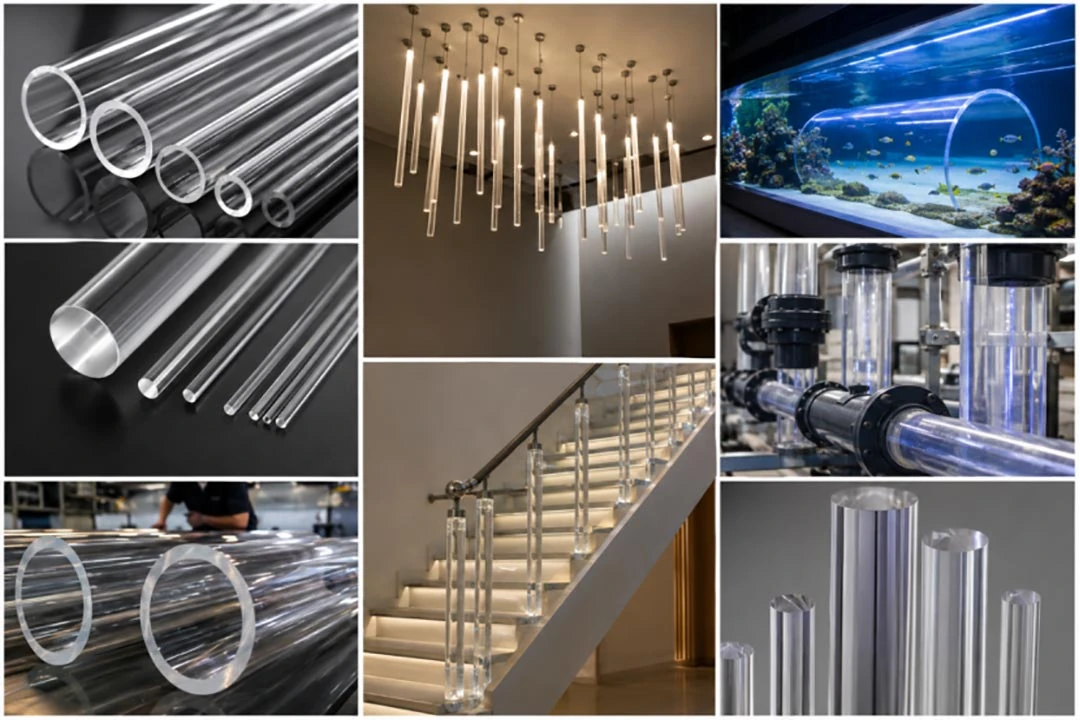
In addition to pipes, transparent acrylic rods and solid rod components have become an indispensable part of modern lighting design and architectural decoration, which complement each other with acrylic circular tubes and create layered and transparent space effects.
Light Guide and LED Linear Lighting
A clear acrylic rod acts as a natural light pipe, transmitting LED light evenly from the source to the end without significant brightness loss. When used in combination with a light diffusing acrylic sheet or matte surface treatment, the rod softens the gathered light into a uniform and soft light, which is widely used in linear ceiling lamps, embedded lighting in cabinets and lighting in stair environments. Casting an acrylic rod is beneficial to the application of a high-end light guide because its consistent molecular structure avoids light scattering and ensures stable luminous efficiency for many years without yellowing.
Architectural Characteristic
Transparent railings, stair shafts, luxury furniture legs and partition screens are increasingly made of transparent acrylic rods. The crystal-like texture of solid acrylic rods is perfectly integrated with modern simplicity, luxury and industrial decoration styles. Unlike glass rods, acrylic round rods are not fragile, easy to process, and their length and diameter can be customized, which solves the pain point of safety and customization of traditional decorative transparent materials.
Sizing & Customization
Common acrylic rods range in diameter from 3 mm to 100 mm, with standard lengths of 1 m, 2 m and 3 m. As a professional supplier, Jingruite provides complete customization for acrylic rods sold: customized colors, frosted surfaces, UV transparency levels and special shape cutting. The brand’s one-stop processing service meets personalized design needs of architects and decorators, ranging from interior decoration poles to structural support poles.
Industrial Application and Compressive Standard
Fluid Presentation and Water Treatment
Large-diameter acrylic round pipes are widely used in municipal water treatment projects, flowmeter observation tubes, bioreactor shells, aquarium observation tunnels and so on. Its high transparency allows real-time monitoring of fluid flow and biological activity, while its lightweight structure reduces installation load compared with a glass cylinder. For these cases, the structural stability of cast pipe ensures long-term safe operation in a wet and soaking environment.
Pressure & Stress Limits
Industrial pressure-bearing equipment has strict requirements for the tensile strength and internal pressure resistance of custom acrylic tubes. According to the authoritative testing standard of ASTM D 5436, the tensile strength and bending strength of cast acrylic pipe reach 11,250 psi and 15,250 psi, which far exceed the mechanical properties of extruded products. For pressure-sensitive industrial gas cylinders, pipeline observation windows and vacuum equipment, cast pipes are the only reliable choice to avoid cracking or leakage under long-term internal pressure. Extruded acrylic tubes sold are limited to low-pressure, non-structural industrial exhibition scenes.
Fragment Resistance
Safety is the primary consideration in material selection in industrial sites. According to the data from Cammthane’s official acrylic performance report, the impact resistance of PMMA pipe is 17 times that of ordinary glass. Both cast and extruded PMMA tubes outperform glass in anti-shatter performance, but cast acrylic’s higher structural integrity further reduces the risk of fragmentation under strong impact, effectively preventing workplace safety accidents caused by material breakage.
Maintenance, Cleaning & Secondary Fabrication
How to Clean Acrylic Tubing
In order to prolong the service life of the transparent acrylic tube and keep its optical transparency, standardized cleaning methods are essential. It is recommended to gently wipe the surface with warm, soapy water and a soft microfiber cloth. Avoid using alcohol, acidic cleaning agents and abrasive cloths, as these will scratch the surface, lead to chemical corrosion, or accelerate the yellowing of materials. For stubborn dust in deep pipes, low-pressure air purging is the safest cleaning method.
Secondary Processing and Processing
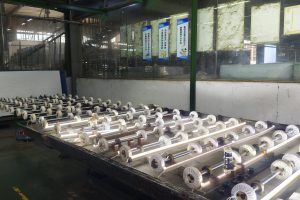
Professional acrylic sheet production and pipe processing ability determine the final application effect of customized products. Jingruite is equipped with advanced production equipment, providing full-process services, including acrylic laser cutting, precision sawing, diamond polishing, vacuum thermoforming, and customized logo printing. The brand supports all-acrylic customized solutions for pipes and rods: cutting, chamfering, flame polishing, thread and color customization in any size. Whether it’s a small batch of customized samples or large-scale industrial order processing, it can maintain stable accuracy and surface quality.
Frequently Asked Questions
Q1: Which is more suitable for budget lighting projects, cast or extruded acrylic pipes?
A 1: An extruded acrylic tube is a more cost-effective standard budget lighting equipment. They support mass production, and the unit price is lower, which meets the basic definition and assembly requirements of ordinary indoor lighting. Cast pipes are only recommended for high-end commercial lighting requiring ultra-high transmittance and long-term stability.
Q 2: Can an extruded acrylic tube be used for pressure-bearing industrial equipment?
A 2: It is not recommended. An extruded acrylic circular tube has high internal stress and poor pressure resistance, and it is easy to deform and crack under the action of long-term internal pressure. Pressure-bearing equipment must be made of acrylic cast pipes conforming to ASTM D 5436 mechanical standards.
Q 3: How to avoid scratches when using acrylic rods and tubes in daily life?
A 3: Avoid touching sharp and hard objects; Only use neutral detergent and microfiber cloths to clean. For high-frequency usage scenarios, you can choose acrylic products with scratch-resistant coating provided by professional manufacturers such as Jingruite.
Q 4: What customization options does Jingruite offer? Acrylic pipes and rods?
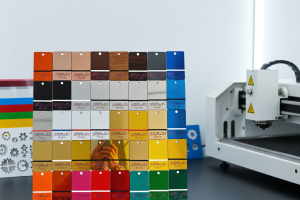
A 4: Jingruite supports custom size, thickness, color, and surface finish (frosted, mirror, UV-transparent). It also provides one-stop processing, including laser cutting, polishing, thermoforming and logo customization, to meet the needs of lighting, architecture and industrial projects.
Conclusion
The choice between casting and extruded acrylic pipes ultimately depends on the optical requirements of the project, working environment, structural load and budget constraints. Cast acrylic pipes are excellent in ultra-high transparency, chemical resistance, heat resistance, pressure-bearing and large-diameter structural applications, and are ideal choices for high-end lighting, industrial pressure-bearing equipment and luxury architectural decoration. Extruded acrylic tubes stand out for their cost-effectiveness, standard size consistency and large-scale supply ability, which perfectly match ordinary lighting equipment, standard display cabinets and low-budget civil projects.
As a reliable manufacturer of acrylic tubes with 17 years of factory experience, Jingruite provides high-quality casting/extrusion acrylic tubes, transparent acrylic rods, acrylic sheets and customized processing services. Adhering to strict quality control, flexible low-cost customization and direct factory pricing, the brand provides cost-effective material solutions for lighting designers, builders and industrial manufacturers around the world.
Brief introduction Acrylic board is widely used in all walks of life because of its excellent transparency, light weight and machinability. However, they differ significantly...
If you work in UV curing, medical diagnostics, optical research or tanning equipment design, you’ve probably asked: What material can reliably transmit UV light without...
When making engraved name badges, office signs or equipment labels, the biggest question is:Which material gives crisp, professional contrast without extra painting? Dual-color sheet is...
Introduction From commercial buildings to industrial facilities, when choosing transparent materials for safety-critical applications, two choices stand out: impact resistant acrylic and polycarbonate. For professionals in the...