Cómo elegir láminas acrílicas transmisoras de UV: Guía completa de propiedades, especificaciones y aplicaciones
Introducción
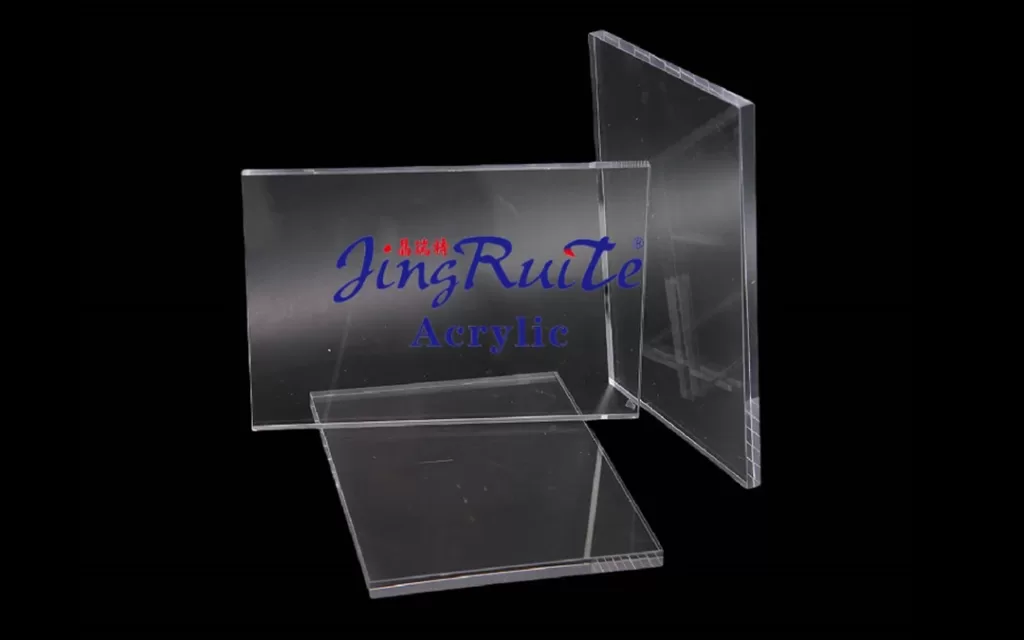
La lámina acrílica transmisora de UV pertenece a la familia del polimetacrilato de metilo (PMMA), un termoplástico ampliamente utilizado y conocido por su transparencia, durabilidad y propiedades de fabricación versátiles.
Para las aplicaciones que dependen de la luz ultravioleta (UV), es esencial seleccionar la lámina acrílica adecuada. El acrílico UVT está especialmente formulado para transmitir la radiación UV de forma eficiente, manteniendo al mismo tiempo una excelente claridad a la luz visible, resistencia mecánica y fiabilidad a largo plazo.
Este artículo ofrece una guía completa sobre cómo elegir UV transmitir aacrílico, que abarca su definición, características básicas de rendimiento, especificaciones oficiales, aplicaciones industriales, precauciones de uso y orientaciones para la adquisición. Toda la información se basa en datos industriales fidedignos y en normas de fabricación profesionales para garantizar la fiabilidad y la precisión.
¿Qué es la lámina acrílica de transmisión UV?
La lámina acrílica transmisora de rayos UV es una lámina de PMMA de grado óptico diseñada para permitir el paso eficaz de la radiación ultravioleta. A diferencia de las láminas acrílicas de uso general, que pueden absorber o bloquear la luz ultravioleta para evitar el amarilleamiento y la degradación, el acrílico UVT se fabrica para maximizar la transmisión en los rangos de longitud de onda UV-A (320-400 nm) y UV-B (280-320 nm), al tiempo que conserva una alta transparencia en el espectro visible.
Alta calidad UV transmitir aacrílico se produce normalmente a partir de metacrilato de metilo (MMA) virgen 100%, lo que garantiza la calidad constante de los lotes, la pureza óptica y unas impurezas mínimas que podrían dispersar o absorber la luz ultravioleta. Este enfoque garantiza que el material ofrezca un rendimiento fiable y repetible en sistemas científicos, médicos e industriales.
La formulación de grado óptico del material le permite sustituir a alternativas más caras, como el cristal de cuarzo, en muchas aplicaciones UV, proporcionando un rendimiento de transmisión comparable con una mayor resistencia a los impactos y menores costes de procesamiento.
Principales características de rendimiento de la lámina acrílica de transmisión UV
1. Alta transmisión ultravioleta
La característica más importante del acrílico UVT es su capacidad para transmitir eficazmente la luz ultravioleta. En el espesor estándar de 3 mm, el rendimiento típico es:
Transmitancia UV-A: ≥ 90%
Transmitancia UV-B: ≥ 85%
Esta alta transmisión permite que los equipos que dependen de la luz UV funcionen con precisión, incluidos los dispositivos de fototerapia, los sistemas de curado UV, las unidades de esterilización y los instrumentos ópticos. El control preciso de la transmitancia UV es esencial para aplicaciones industriales, médicas y de laboratorio en las que se requiere una exposición constante a la luz.
2. Claridad óptica excepcional
A pesar de sus propiedades de transmisión de los rayos UV, el acrílico UVT conserva una excelente transparencia en el espectro visible:
Transmitancia de la luz visible: ≥ 92%
Haze: < 1%
Esta baja niebla garantiza una distorsión óptica mínima, lo que hace que UV transmitir aacrílicoadecuado para instrumentos ópticos de precisión, equipos de laboratorio y dispositivos médicos que requieren una transmisión de la luz y una claridad precisas.
3. Mayor resistencia a la intemperie
La lámina acrílica UVT incorpora fórmulas de estabilización avanzadas que reducen la degradación bajo una exposición prolongada a los rayos UV. Las pruebas independientes de envejecimiento acelerado indican una reducción del rendimiento inferior a 5% tras tres años de uso continuado en exteriores, lo que garantiza la longevidad en entornos con gran intensidad de rayos UV.
El material es adecuado tanto para aplicaciones en interiores como en exteriores controlados, y proporciona durabilidad en entornos en los que la exposición a los rayos UV es inevitable.
4. Alta resistencia mecánica
El acrílico UVT hereda las sólidas propiedades mecánicas de los materiales PMMA:
Resistencia al impacto: hasta 10 veces más fuerte que el vidrio ordinario
Resistencia a la flexión: ≥ 70 MPa
Ligero en comparación con el vidrio de cuarzo u otros materiales ópticos
Estas propiedades reducen el riesgo de rotura durante el transporte, la fabricación y el funcionamiento diario, al tiempo que mantienen un rendimiento óptico constante.
5. Estabilidad térmica y flexibilidad de procesamiento
El acrílico UVT mantiene la integridad estructural en una gama de temperaturas de -40 °C a 70 °C, lo que lo hace adecuado para diversos entornos operativos. También puede procesarse con métodos estándar:
termoformado
corte
perforación
pulido
revestimiento
Esta flexibilidad simplifica la fabricación a medida para OEM, fabricantes e ingenieros sin comprometer las propiedades de transmisión UV.
6. Alternativa rentable al vidrio de cuarzo
En las aplicaciones UV, el vidrio de cuarzo se utiliza a menudo por su pureza óptica, pero es caro, quebradizo y difícil de procesar. UV transmitir aacrílicoofrece un rendimiento de transmisión UV comparable con un coste de material 30-50% inferior. Además, es más fácil de fabricar, transportar e instalar, lo que reduce los costes del proyecto y acorta los plazos de entrega.
Especificaciones oficiales del producto
Parámetros técnicos
Valor estándar
Notas
Gama de espesores
1 mm - 50 mm
Espesor personalizado disponible
Tamaños de hoja estándar
1220 × 2440 mm, 1000 × 2000 mm
Tamaños personalizados disponibles
Transmitancia UV-A
≥ 90% (320-400 nm)
Probado a 3 mm
Transmitancia UV-B
≥ 85% (280-320 nm)
Probado a 3 mm
Transmitancia de la luz visible
≥ 92% (400-700 nm)
Claridad de grado óptico
Calidad de la superficie
60/40 (arañazos/pits)
Norma ISO sobre superficies ópticas
Resistencia a la radiación
≥ 1000 kGy
Adecuado para entornos científicos
Temperatura de funcionamiento continuo
-40°C - 70°C
Rendimiento estable
Principales escenarios de aplicación de la lámina acrílica de transmisión UV
Transmisión UV Lámina acrílica está especialmente diseñada para aplicaciones en las que la transmisión de la luz UV no es negociable; el acrílico estándar no puede satisfacer estos casos de uso debido a su diseño de bloqueo UV, lo que la convierte en la única solución de plástico viable para los flujos de trabajo que dependen de la luz UV. A continuación se detallan los escenarios de aplicación específicos del sector, incluidos los casos de uso en el mundo real, y cómo la mesa profesional resuelve los principales retos operativos interdisciplinarios.
Campos de investigación médica y científica
● Equipos de fototerapia: Se trata de una de las aplicaciones médicas más críticas para Lámina acrílica transmisora de UV. Puede utilizarse como barrera protectora segura y resistente a la rotura para equipos de fototerapia UVB, y puede emplearse para tratar enfermedades crónicas de la piel como la psoriasis, el vitíligo, el eccema y la ictericia neonatal. La placa permite el paso de los rayos UV-B terapéuticos con la intensidad requerida, al tiempo que protege a los pacientes y al personal médico del contacto directo con el conjunto de la lámpara, y su transparencia óptica garantiza que los rayos UV se distribuyan uniformemente por toda la zona de tratamiento para obtener resultados de tratamiento uniformes.
● Instrumentos analíticos y de laboratorio: Celdas de muestra, guías de luz y ventanas de observación utilizadas para fabricar espectrómetros de fluorescencia, espectrómetros ultravioleta, detectores de cromatografía líquida y otros equipos de prueba de laboratorio. El bajo empañamiento y la alta transmitancia ultravioleta de la placa garantizan lecturas precisas de absorción y emisión de luz, eliminando la posible distorsión de datos del acrílico estándar o los plásticos impuros. También es compatible con entornos de laboratorio asépticos y puede resistir ligeras salpicaduras de productos químicos habituales en entornos de investigación.
● Sistemas de esterilización y desinfección UV: Sirve como cubiertas protectoras y paneles de cerramiento para equipos comerciales de desinfección UV, incluyendo reactores UV de tratamiento de agua, lámparas de purificación de aire, dispositivos de esterilización de superficies para clínicas médicas e instalaciones de procesamiento de alimentos, y sistemas de tratamiento de aguas residuales. Esta pastilla puede hacer que los rayos UV-A/UV-B penetren y maten bacterias, virus y esporas de moho, protegiendo al mismo tiempo los componentes internos del polvo, la humedad y los daños físicos, requisito clave para mantener la eficacia de la esterilización.
Industria y agricultura
● Curado UV y procesamiento industrial: Integrado en ventanas de observación, cubiertas de cintas transportadoras y placa transparente para máquina de curado de adhesivos UV, sistemas de curado de tintas UV para impresión y envasado, y líneas de producción de curado de revestimientos para las industrias del automóvil, electrónica y maderera. La transmitancia ultravioleta uniforme del UV transmitir aacrílico garantiza un curado rápido y uniforme de las resinas y la tinta, reduce el tiempo de producción, mejora la suavidad del producto y, al mismo tiempo, su durabilidad puede soportar el desgaste industrial diario.
● Crecimiento agrícola y horticultura: Utilizados en cristales de invernaderos, paneles de granjas verticales y difusores de lámparas de crecimiento vegetal para optimizar la fotosíntesis y el crecimiento de los cultivos. Algunas especies vegetales necesitan longitudes de onda UV-A/UV-B específicas para favorecer la producción, la floración y la resistencia a plagas de nutrientes; UVláminas acrílicas transmisoras permiten que estos beneficiosos rayos UV lleguen a las plantas, al tiempo que filtran el exceso de radiación nociva y proporcionan aislamiento. Su resistencia a los impactos también puede resistir el granizo, el viento y los escombros, lo que la convierte en la opción ideal para instalaciones agrícolas al aire libre.
● Pruebas de durabilidad de materiales: Equipadas como ventanas de observación y paneles de cámara para cámaras de pruebas de envejecimiento UV, meteorómetros y equipos de pruebas de estabilidad de materiales. Los fabricantes de plásticos, textiles, revestimientos y productos de exterior utilizan estas cajas de pruebas para simular la exposición a largo plazo a los rayos ultravioleta; Esta mesa permite a los técnicos supervisar el progreso de la prueba en tiempo real sin bloquear la radiación ultravioleta, garantizando así resultados de prueba precisos y datos fiables de durabilidad de desarrollo de productos.
Iluminación especial y campos de alta tecnología
● Iluminación escénica y artística: Se utiliza como filtro ultravioleta, difusor y pantalla para luces negras, luz de efecto ultravioleta y luces de excitación de pigmentos fluorescentes para conciertos, producciones teatrales, exposiciones de arte, clubes nocturnos y actividades temáticas. El cartón realza el brillo de los revestimientos, tejidos y decoraciones reactivos a los rayos ultravioleta, creando vivos efectos visuales sin la fragilidad de los filtros de vidrio, y puede cortarse en formas personalizadas para dispositivos de iluminación únicos.
● Semiconductores y litografía de precisión: Empleados en la fabricación de semiconductores y la producción de placas de circuitos impresos (PCB) como componentes del sistema de exposición y paneles de transmisión de luz ultravioleta para equipos de litografía. La uniformidad óptica ultraelevada y la transmitancia ultravioleta uniforme de la placa garantizan el patronaje preciso de los componentes microelectrónicos, que es el requisito clave para mantener la precisión de la producción en la fabricación de alta tecnología. También se utiliza en sistemas de impresión 3D basados en UV, que se emplean para el curado de resinas.
● Aplicaciones antifalsificación y de seguridad: Integrado en dispositivos de verificación de seguridad y herramientas de detección de falsificaciones que utilizan luz UV para revelar marcadores de seguridad ocultos en moneda, documentos oficiales, envases y artículos de lujo. El Lámina acrílica transmisora de UV‘La transmisión ultravioleta pura del ácido acrílico garantiza una función de seguridad clara y visible, que quedaría difuminada con el ácido acrílico estándar, lo que ayuda a las empresas y a las autoridades a identificar rápidamente los productos falsificados.
Cómo elegir el grosor adecuado
Aplicación
Espesor recomendado
Requisitos clave
Equipamiento médico
3-5 mm
Biocompatibilidad, conformidad ISO
Instrumentos analíticos
1-3 mm
Alta precisión óptica
Equipos de curado UV
5-10 mm
Resistencia al envejecimiento UV
Invernaderos agrícolas
10-15 mm
Resistencia a los impactos, estabilidad a la intemperie
Seleccionar el grosor correcto garantiza un rendimiento óptico óptimo, durabilidad mecánica e idoneidad para aplicaciones industriales, médicas o agrícolas específicas.
Resumen
Lámina acrílica transmisora de UV es un material PMMA óptico especializado diseñado para una transmisión eficaz de la luz ultravioleta, una gran claridad óptica y una gran durabilidad.
Elevada transmisión UV-A y UV-B
Excelente claridad a la luz visible con una niebla mínima
Alta resistencia mecánica y al impacto
Procesamiento flexible y alternativa rentable al vidrio de cuarzo
La comprensión de las propiedades del material, las especificaciones, los escenarios de aplicación y la selección del espesor garantiza que los ingenieros y diseñadores puedan elegir la plancha acrílica UVT adecuada para un rendimiento fiable y a largo plazo.
Introducción Las planchas acrílicas, apreciadas por su claridad óptica (transmisión de luz 92%) y versatilidad, están revolucionando sectores que van desde el aeroespacial hasta el sanitario. Con un mercado mundial...
Introducción Las planchas de cloruro de polivinilo (PVC) son un elemento básico en la construcción, la sanidad y la electrónica debido a su durabilidad, resistencia química y rentabilidad. El mercado mundial del PVC...
En aplicaciones en las que la seguridad, la belleza y la durabilidad son esenciales, hay un material que destaca: la plancha acrílica ignífuga. Para proyectos en edificios, transportes públicos o...
Cualquiera que haya consultado el precio de instalar un espejo que ocupe toda una pared sabe las ventajas e inconvenientes que conlleva el cristal: el peso, el equipo de instalación, la responsabilidad en caso de que...