Введение
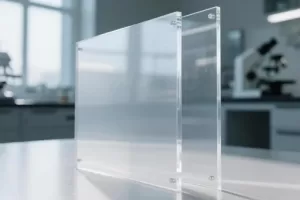
На протяжении большей части истории архитектуры прозрачность и прочность конструкции рассматривались как противоположные качества. Стекло можно было сделать прозрачным, но редко достаточно толстым, чтобы выдерживать нагрузку без рамы. Дерево и металл могли выдерживать нагрузку, но никогда не исчезали из поля зрения. Толстый акриловый лист Это меняет ситуацию. При толщине от 20 до 50 мм ПММА оптического качества может выполнять функцию несущего элемента, оставаясь при этом практически незаметным для глаза. Это позволяет дизайнерам создавать мебель и выставочные системы, в которых сама конструкция становится частью эстетического образа, а не чем-то, что нужно скрывать за ним.
Причина этого сдвига заключается не в стилистике, а в том, на что способен сам материал с конструктивной точки зрения. Лист с коэффициентом светопропускания 92% и ударопрочностью, примерно в 17 раз превышающей ударопрочность стекла той же толщины, открывает дизайнерские возможности, которые ни стекло, ни непрозрачные материалы не могут предложить по отдельности. В следующих разделах рассматривается, как это проявляется в трёх областях, где этот эффект имеет наибольшее значение: дизайн мебели, витрины роскошных магазинов и практическая защита, заложенная в самом материале.
Эффект «парения» в современном дизайне мебели
Материальная логика, лежащая в основе прозрачной конструкционной мебели
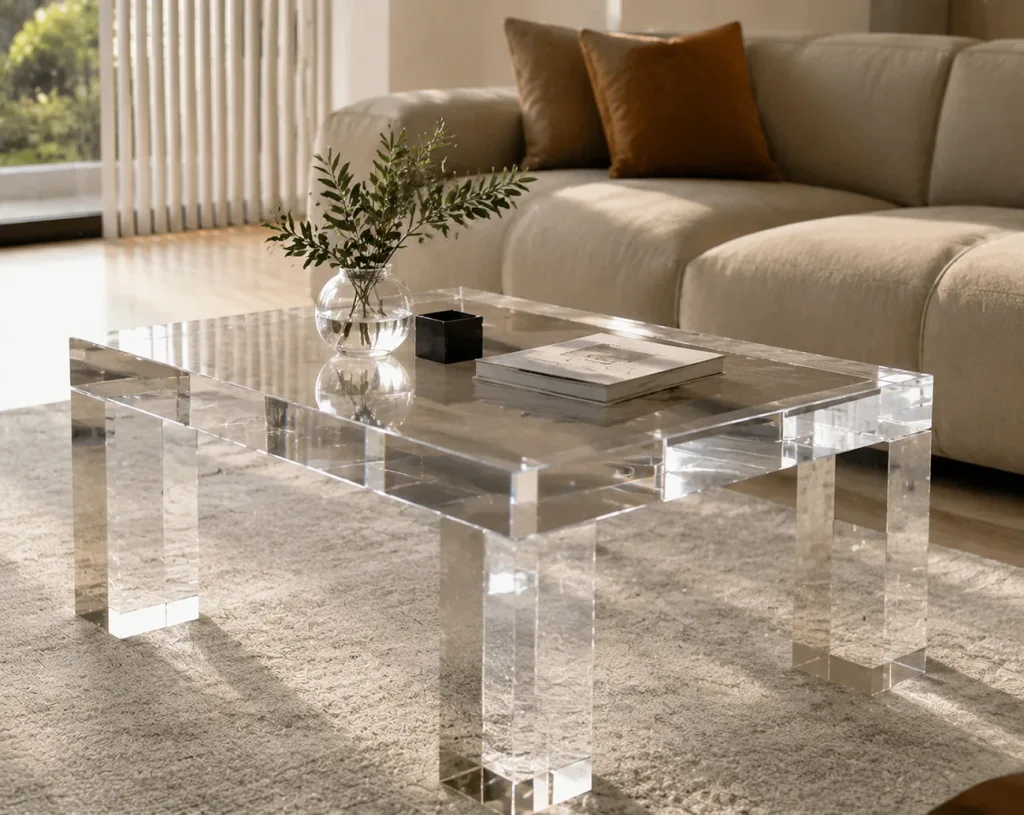
Привлекательность кофейного столика, который, кажется, парит в воздухе, или консольной подставки без видимых соединений сводится к простому компромиссу в выборе материала. Стеклянная панель, достаточно толстая, чтобы служить несущей основой стола, была бы тяжелой, ее безопасная транспортировка обошлась бы дорого, и при этом она по-прежнему представляла бы значительный риск разбития при повседневном использовании. Основание из массива дерева или металла, напротив, обеспечивает прочность, но лишает изделие той открытости, благодаря которой оно выглядит легко в интерьере.
Толстый акриловый лист занимает иную позицию в этом соотношении. При плотности 1,19 г/см³ он весит примерно в два раза меньше, чем стекло тех же размеров, что делает возможным производство, транспортировку и монтаж крупных мебельных элементов с массивным сечением без необходимости в конструктивном усилении, которое потребовалось бы в случае использования стекла. В то же время его ударопрочность означает, что основание толщиной 30 или 40 мм способно выдерживать реальные повседневные нагрузки. Оно выдерживает столешницы, полки и сиденья, не обладая хрупкостью, характерной для более тонких акриловых или стеклянных элементов. Светопропускание материала 92% дополняет этот эффект: материал достаточно прочен, чтобы выполнять несущую функцию, но при этом настолько прозрачен, что глаз воспринимает его как пустое пространство, а не как массивный объект.
Распространенные варианты применения мебели из толстых акриловых листов
Эта комбинация чаще всего используется в нескольких типовых моделях мебели. Массивная ножки для стола из акрила А основания в виде пьедестала наиболее ярко демонстрируют эффект «парения», поскольку сама ножка становится практически незаметной под столешницей. Основания консольных и приставных столиков используют ту же логику в несколько меньшем масштабе, часто представляя собой единый цельный блок, а не сборную раму. Кронштейны для полок и опорные конструкции получают аналогичные преимущества, особенно в торговых или жилых помещениях, где визуальная легкость является частью задания на проектирование.
В каждом из этих случаев обрезанный край акрила — это не деталь, которую нужно скрывать. Это часть готового изделия. Точно отполированная поверхность с показателем шероховатости Ra ≤ 0,02 мкм обеспечивает зеркальную отделку края, в отличие от слегка мутного или поцарапанного края, характерного для материала более низкого качества. Для мебели, у которой край виден под разными углами, именно такой уровень отделки поверхности отличает изделие, выглядящее продуманным, от изделия, которое выглядит незавершённым.
Толстые акриловые листы в сфере элитной розничной торговли и выставочных систем
Конструкции из цельного акрила в элитных торговых помещениях
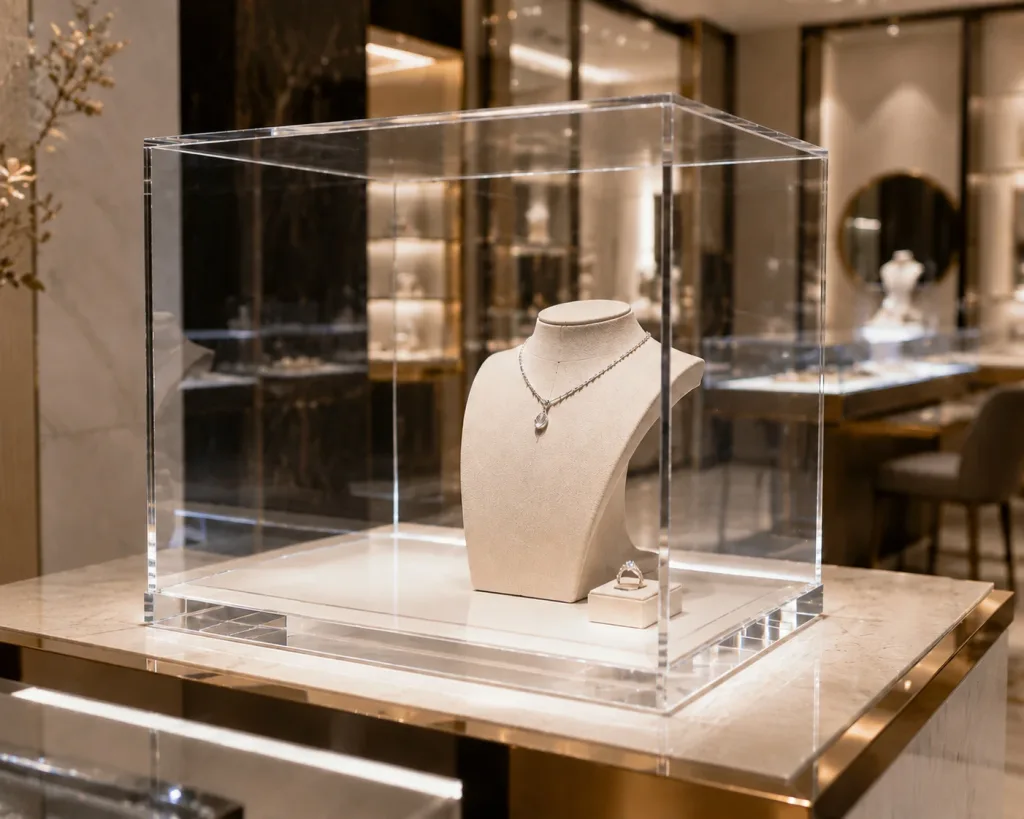
Та же материальная логика, лежащая в основе дизайна мебели, напрямую применима к витринам для товаров премиум-класса и ювелирных изделий. Цельный блок из толстого акрила, вырезанный и отполированный в форме пьедестала или подставки, придает изделию визуальное ощущение того, что оно установлено на чем-то массивном, не вводя при этом материал, который визуально конкурировал бы с ним. Это особенно актуально при экспонировании ювелирных изделий и часов, где все визуальное внимание должно быть сосредоточено именно на самом изделии.
Поскольку материал отливается или экструдируется из PMMA оптического качества 100%, а не собирается из ламинированных слоев, цельный блок воспринимается как единое непрерывное изделие из материала, похожего на стекло, а не как сборная конструкция. Именно эта непрерывность во многом определяет ощущение высокого качества этих витрин: на них нет видимых швов или стыков, которые отвлекали бы внимание от размещенного на них товара.
Обработка кромок и качество поверхности в дизайне дисплеев
В сфере дисплеев обработка краев имеет большее значение, чем практически в любой другой области, просто потому, что края часто находятся на уровне глаз и близко к зрителю. Толстый акриловый лист Края можно обработать несколькими традиционными методами, включая пламенную полировку, алмазную полировку и пескоструйную обработку. Каждый из этих методов придает поверхности свой характер — от глянцевого зеркального края до более мягкого матового.
Для изготовления элитных витрин обычно предпочитают пламенную или алмазную полировку, поскольку она позволяет получить чистые, отражающие свет кромки, которые выглядят как результат тщательной ручной работы, а не как необработанный пластик. Это достигается за счет технологии обработки, применяемой к уже имеющейся оптической прозрачности материала, а не за счет какого-либо отдельного оптического свойства самого листа. Тем не менее визуальный результат является одной из главных причин, по которой дизайнеры по-прежнему предпочитают использовать цельный акрил для изготовления высококачественных витрин, а не более тонкие варианты в рамах.
Функциональная защита в условиях выставочных и экспозиционных помещений
Ударопрочность в коммерческих дисплеях
Дизайн витрин — это не только внешний вид. Ценные предметы, такие как ювелирные изделия, часы, музейные экспонаты и электроника, как правило, выставляются в общественных или полуобщественных местах, где существует реальная вероятность случайного контакта. Толстая акриловая витрина или крышка обеспечивает надежную физическую защиту. Благодаря ударной вязкости около 16 кДж/м² (метод Изода с надрезом, ASTM D256) — что примерно в 17 раз превышает показатели обычного стекла — она поглощает удары, толчки и случайные соприкосновения, которые часто происходят в оживленных торговых залах или выставочных залах.
Это скорее практическая мера предосторожности, чем функция безопасности в строгом смысле слова. Она снижает риск повреждения в результате повседневных происшествий, но не заменяет специальных мер безопасности там, где они необходимы. Для большинства розничных и выставочных помещений само по себе снижение риска повреждения является значимым преимуществом, особенно по сравнению со стеклянными витринами, которые сопряжены как с более высоким риском повреждения, так и с большей занимаемой площадью.
Экологическая устойчивость при длительном использовании
Длительные выставочные экспозиции поднимают иной вопрос. Витрина, на которую попадают прямые солнечные лучи, выставка, продолжающаяся несколько месяцев, торговая площадка под открытым небом — каждое из этих мест предъявляет к материалам иные требования, чем экспозиция, организованная в рамках разового мероприятия. Толстый акриловый лист Рассчитан на непрерывную эксплуатацию в диапазоне температур от -40 °C до 80 °C, а благодаря составам, устойчивым к ультрафиолетовому излучению, сохраняет устойчивость к пожелтению в течение, как ожидается, пяти лет и более при использовании на открытом воздухе.
Именно для дисплейных применений это имеет большое значение, поскольку пожелтение или помутнение корпуса подрывают ту самую визуальную чёткость, благодаря которой акриловые дисплеи и стоят того, чтобы их выбирать. Вариант с УФ-стойким покрытием, доступный наряду с прозрачной, матовой и антибликовой поверхностной отделкой, является важной характеристикой, которую следует учитывать, если витрина будет находиться под прямым освещением в течение длительного времени.
Как выбрать толщину при проектировании мебели и витрин
Не существует единой «правильной» толщины, подходящей для всех случаев, однако для большинства проектов по изготовлению мебели и витрин действуют несколько общих правил. Для более легких элементов мебели — опор полок, оснований небольших приставных столиков, акцентных элементов — обычно используется толщина в диапазоне от 15 до 25 мм: при таких размерах материал по-прежнему достаточно массивен, чтобы выглядеть солидно, но при этом не добавляет лишнего веса и не увеличивает стоимость. Несущие компоненты мебели, такие как полноразмерные ножки столов или основания-пьедесталы, рассчитанные на интенсивное повседневное использование, обычно изготавливаются с толщиной от 25 до 40 мм, чтобы обеспечить достаточный запас прочности конструкции.
При использовании в качестве витрин и защитных ограждений выбор толщины зависит не столько от нагрузки, сколько от уровня требуемой физической защиты. Для стандартных витрин в розничной торговле часто достаточно толщины от 10 до 20 мм. Для витрин с дорогостоящими ювелирными изделиями или защитных ограждений музейного уровня может потребоваться толщина 25 мм и более, в зависимости от степени доступа посетителей и риска повреждения при обращении.
В любом случае правильным отправным пунктом является подбор толщины с учетом конкретных требований к изделию — его пролета, предполагаемых условий эксплуатации и окружающей среды — а не выбор самого толстого из доступных вариантов по умолчанию. Поставщик, который может проконсультировать по вопросам такого компромисса и предлагает резку на заказ в диапазоне от 1 мм до 50 мм, помогает легче определиться со спецификацией, которая не будет ни избыточной, ни недостаточной для данного проекта.
Часто задаваемые вопросы
Q1: Какова минимальная толщина, необходимая для самонесущей ножки или основания стола?
A: Это зависит от размера и веса столешницы, которую она поддерживает, но большинство массивных ножки для стола из акрила А толщина оснований-пьедесталов для мебели бытового назначения обычно составляет от 25 до 30 мм. Для более крупных столешниц или предметов, которые будут подвергаться частому ежедневному использованию, обычно требуется толщина от 35 до 40 мм, чтобы обеспечить достаточный запас прочности. Наиболее надежным способом определить толщину перед заказом резки на заказ является консультация с поставщиком, который сможет дать рекомендации с учетом конкретного пролета и нагрузки вашего проекта.
Q2: Акриловая основа большей толщины выглядит иначе, чем более тонкая, или просто более прочная?
A: И то, и другое. Толщина влияет на то, какую часть окружающего света, как кажется, удерживает изделие — более толстый блок выглядит более выразительно и имеет чуть более заметную подсветку по краям, когда на него падает свет, хотя сам материал остается высокопрозрачным. Отчасти именно поэтому более толстые элементы часто выбирают для ярких акцентных изделий, тогда как более тонкие профили подходят для сдержанных дизайнов.
Q3: Можно ли изготовить акриловые листы для витрин по индивидуальному заказу, чтобы они соответствовали нестандартной форме товаров?
A: Да. Толстый акриловый лист их можно обрабатывать на станках с ЧПУ и вырезать лазером по индивидуальным размерам, а также подвергать термоформовке при температуре от 140 до 160 °C для изготовления изогнутых или фигурных деталей. Для единичных или мелкосерийных экспонатов — что часто встречается в ювелирной и роскошной розничной торговле — индивидуальная резка, как правило, более целесообразна, чем попытки адаптировать стандартный размер витрины.
Q4: Как определить, какая поверхность — прозрачная, матовая или антибликовая — лучше всего подойдет для экспоната?
A: Все зависит от того, для чего предназначена витрина. Прозрачные покрытия обеспечивают максимальную видимость и являются стандартным выбором в тех случаях, когда все внимание должно быть сосредоточено на самом продукте. Матовые покрытия хорошо подходят для рассеивания света или смягчения визуального веса основания, чтобы оно не отвлекало внимание от экспонируемых товаров. Стоит рассмотреть варианты с антибликовым покрытием для экспонатов, находящихся под прямым точечным освещением или в условиях фотосъемки, когда отражения от прозрачной поверхности могут отвлекать внимание.
Q5: Пожелтеет ли или помутнеет ли со временем толстая акриловая витрина под освещением в магазине?
A: Стандартный акрил содержит УФ-стабилизаторы, которые предотвращают пожелтение при обычном внутреннем освещении в течение многих лет типичной эксплуатации. Для витрин, расположенных рядом с окнами, под интенсивным точечным освещением или в условиях полуоткрытых торговых помещений, стоит потратить дополнительное время на выбор варианта с УФ-стойким покрытием, поскольку оно специально разработано для обеспечения повышенной стойкости к воздействию более интенсивного света.
Q6: Стоит ли акриловый лист для мебели дороже, чем стеклянный аналог аналогичного размера?
A: Стоимость материала за единицу для толстого акрила зачастую сопоставима или несколько выше, но при учтене затрат на обработку, доставку и монтаж соотношение цен обычно меняется. Меньший вес акрила снижает требования к конструкции и транспортировке, а его ударопрочность уменьшает риск затрат на замену в случае поломки — оба этих фактора компенсируют более высокую первоначальную стоимость материала в течение всего срока службы изделия.
Заключение
Новое видение проектирования конструкций через призму прозрачности
Ни один из этих факторов сам по себе не объясняет, почему толстый акриловый лист отлично подходит для дизайнеров мебели и витрин. Преимущество заключается в сочетании следующих характеристик: высокая светопроницаемость, реальная прочность конструкции и поверхность с высокоточной отделкой, которая выдерживает даже тщательный осмотр. Такое сочетание позволяет изделию выдерживать нагрузку, не выглядя при этом громоздким, а витрине — защищать то, что находится внутри, не создавая видимого барьера между товаром и зрителем.
Для дизайнеров и специалистов по закупкам, работающих над проектами по мебели или витринам, практический вывод очевиден: толстый акрил не заставляет выбирать между визуальной легкостью и физической прочностью. При правильной толщине и отделке поверхности, подобранных с учетом конкретного применения, он обеспечивает и то, и другое. Именно поэтому он по-прежнему используется в проектах, где ни стекло, ни непрозрачные материалы не справляются с задачей так же хорошо.