كيفية اختيار أفضل مادة لألواح جدران الحمام: الأكريليك مقابل البولي فينيل كلوريد مقابل البلاط
مقدمة
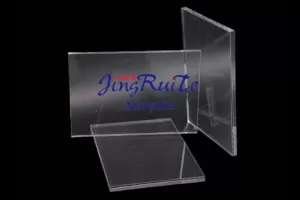
يؤثر اختيار المادة المناسبة لألواح جدران الحمام بشكل مباشر على أداء العزل المائي، والنظافة، وكفاءة التركيب، وتكاليف الصيانة على المدى الطويل. ومن بين الخيارات العديدة المتاحة،, لوحة أكريليكتظل الألواح البلاستيكية (PVC) والبلاط الخزفي من بين الحلول الثلاثة الأكثر استخدامًا. وتتميز كل منها بمزايا مختلفة وفقًا لمتطلبات المشروع. ويقارن هذا الدليل أداءها من حيث مقاومة الرطوبة، والمتانة، والصيانة، والتركيب، وتكلفة دورة الحياة، لمساعدة المهندسين المعماريين والمقاولين ومالكي العقارات على اختيار المادة المناسبة بثقة.
لماذا يُعد اختيار المادة المناسبة لألواح جدران الحمام أمرًا مهمًا
تتعرض أسطح جدران الحمام باستمرار للرطوبة وتقلبات درجات الحرارة والمواد الكيميائية المستخدمة في التنظيف، فضلاً عن التآكل الناتج عن الاستخدام اليومي. وقد يؤدي اختيار مادة غير مناسبة إلى حدوث أضرار خفية ناجمة عن الرطوبة، ونمو العفن، وتغير لون الأسطح، وإصلاحات باهظة التكلفة.
عند اختيار نظام الألواح الجدارية، يجب مراعاة ستة عوامل رئيسية: مقاومة الرطوبة، والنظافة، والمتانة، وكفاءة التركيب، ومتطلبات الصيانة، وتكلفة دورة الحياة. حيث يمنع الأداء المقاوم للماء حدوث التسربات الخفية، بينما تعمل الأسطح غير المسامية على تحسين النظافة من خلال الحد من نمو البكتيريا. وتتميز المواد المتينة بقدرتها على تحمل الصدمات والمواد الكيميائية والتغيرات في درجات الحرارة، في حين أن سرعة التركيب تقلل من تكاليف العمالة ووقت تعطل المشروع. إن النظر إلى ما وراء سعر الشراء الأولي يساعد في تحديد الحل الأكثر فعالية من حيث التكلفة على مدار عمر المبنى.
ما هي الألواح الجدارية الأكريلية للحمام؟
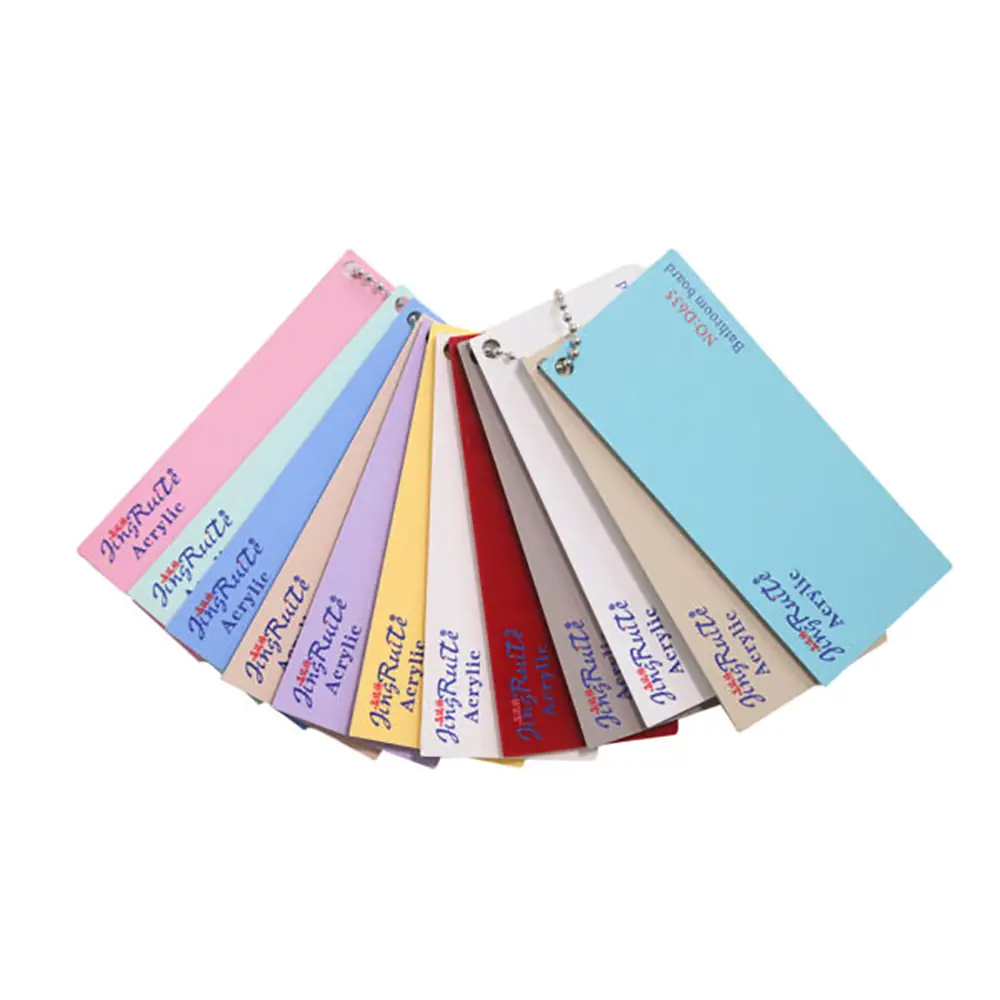
لوح الحائط الأكريليكي للحمام هو لوح مركب هندسي صُمم خصيصًا للبيئات الرطبة. وعلى عكس الأغشية الأكريليكية الرقيقة أو اللوحات القياسية صفائح PMMA المصبوبةتجمع الألواح الأكريلية المخصصة للحمامات بين سطح زخرفي من مادة PMMA وطبقة داعمة هيكلية متينة، لتوفر مقاومة للماء وقوة ونظافة على المدى الطويل.
بصفتي لوح أكريليك مقاوم للماء, ، فهو يشكل حاجزًا غير مسامي يمنع تسرب الماء مع الحفاظ على مظهر جذاب ولامع للغاية.
كيف تُصنع ألواح الأكريليك المستخدمة في الحمامات
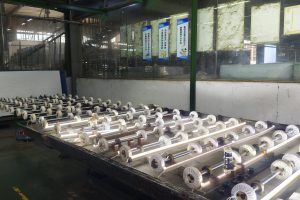
حمام عالي الجودة لوح أكريليك تجمع هذه الألواح بين سطح من مادة PMMA (بولي ميثيل ميثاكريلات) وطبقة داعمة من مادة ABS (أكريلونيتريل بوتادين ستايرين). توفر طبقة PMMA اللمعان والثبات أمام الأشعة فوق البنفسجية والمقاومة الكيميائية، بينما تعزز مادة ABS المتانة ومقاومة الصدمات. ثم تُعالج الألواح بالأشعة فوق البنفسجية لتعزيز متانة السطح وثبات اللون.
وبفضل معدل امتصاص الماء الذي يقل عن 0.01%، تمنع البنية غير المسامية تغلغل الرطوبة. كما يتم دمج تقنية مكافحة البكتيريا باستخدام أيونات الفضة أثناء عملية التصنيع، بدلاً من تطبيقها كطلاء سطحي، مما يوفر حماية مضادة للميكروبات تدوم طويلاً.
المزايا الرئيسية لألواح الأكريليك المستخدمة في الحمامات
تجمع ألواح الأكريليك المخصصة للحمامات بين العديد من مزايا الأداء في مادة واحدة:
100% مقاوم للماء مع امتصاص مائي أقل من 0.01%
أداء مضاد للبكتيريا معتمد وفقًا لمعيار ISO 22196, ، حيث حقق معدل تثبيط تجاوز 99% لـ إشريكية القولونية و المكورات العنقودية الذهبية
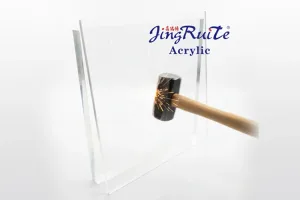
قوة ميكانيكية عالية, ، بما في ذلك مقاومة الشد التي تتراوح بين 51 و80 ميجا باسكال، ومقاومة الصدم التي تبلغ 213 جول/م، والاستطالة عند الانكسار التي تبلغ 160%
مقاومة كيميائية ممتازة, ، ولم يظهر أي تغيير بعد 500 ساعة من الغمر في الشامبو وجل الاستحمام
سهولة الصيانة, ، مع بقايا صبغة أقل من 0.5%
سطح مُعالج بالأشعة فوق البنفسجية الذي يحافظ على لمعان يزيد عن 90 وحدة غلوس (GU) مع مقاومة الاصفرار لمدة لا تقل عن 15 عامًا
تجعل هذه الخصائص ألواح الأكريليك المخصصة للحمامات مناسبة للاستخدامات التجارية والسكنية التي تتطلب معايير عالية.
الأكريليك مقابل البولي فينيل كلوريد مقابل البلاط: مقارنة جنبًا إلى جنب
يختلف نوع جسم البلاط؛ أما الجص فهو مسامي ويتطلب عزلًا
النظافة
مطابق لمعيار ISO 22196 لمقاومة البكتيريا، مع معدل تثبيط >99%؛ سطح خالٍ من الفواصل
لا تتمتع بخصائص مضادة للجراثيم بطبيعتها؛ وقد تحتجز اللحامات الغشاء الحيوي
تشجع فجوات الجص على نمو العفن والبكتيريا
التركيب
لوحات كبيرة الحجم مزودة بنظام أزرار تثبيت مخفية
التركيب بنظام اللسان واللحمة أو باللصق
تتطلب عمالة مكثفة وتتألف من مراحل تركيب متعددة
المتانة
مقاومة الصدمات 213 جول/متر؛ مقاومة الانحناء 67 ميجا باسكال؛ مقاومة العوامل الجوية وفقًا لمعيار ASTM G154 لمدة 5000 ساعة
قد يتعرض للخدش أو الانبعاج أو الالتواء تحت تأثير الحرارة
صلب ولكنه هش؛ يتدهور الجص بمرور الوقت
الصيانة
يمسح بالماء؛ والتلميع السنوي يعيد اللمعان
تنظيف يومي سهل، لكن الوصلات تتغير ألوانها
التنظيف المنتظم للفواصل بين البلاط، وإعادة إحكام إغلاقها، وإصلاحها
المظهر
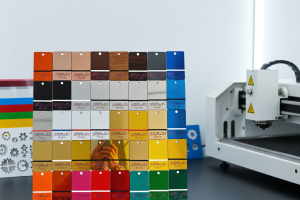
تشطيب عالي اللمعان مع استخدام الرخام والخشب والطباعة الرقمية حسب الطلب
تتوفر أفلام زخرفية، لكن لا تزال الوصلات مرئية
مظهر طبيعي مع خطوط فواصل واضحة
العمر الافتراضي
أكثر من 15 عامًا مع سطح مقاوم للأشعة فوق البنفسجية
عادةً ما تتراوح مدة الصلاحية بين 5 و10 سنوات في البيئات الرطبة
يمكن أن تدوم البلاط لأكثر من 20 عامًا، لكن الجص غالبًا ما يتطلب الاستبدال في غضون 5 إلى 10 أعوام
التكلفة
تكلفة تركيب طراز 40% أقل من الحجر، وتكاليف صيانة طراز 65% أقل على مدار دورة الحياة
استثمار أولي منخفض، لكن معدل الاستبدال أعلى
ارتفاع تكاليف العمالة وتكاليف الصيانة على المدى الطويل
لوحة أكريليكفهي تقضي على فواصل الجص التي غالبًا ما تصبح أضعف نقطة في أنظمة البلاط. ويتميز البلاستيك (PVC) بتكلفة أولية أقل، لكنه عادةً ما يكون أقل متانة في البيئات الرطبة. أما البلاط الخزفي فيظل الحل التقليدي، على الرغم من أن متطلبات صيانته غالبًا ما يتم التقليل من شأنها.
ما هي أفضل المواد لاستخدامات الحمام المختلفة؟
الحمامات السكنية
فيما يتعلق بأعمال التجديد السكنية، تتميز الألواح الأكريلية بسرعة التركيب وسهولة التنظيف وجمالياتها العصرية. وتقلل الألواح كبيرة الحجم من عدد الوصلات، في حين تتيح الطباعة الرقمية محاكاة تشطيبات الرخام أو الخشب دون الحاجة إلى صيانة مستمرة للملاط.
الفنادق والمنتجعات
تحتاج الفنادق إلى مواد متينة تقلل من فترة توقف الغرف عن الخدمة أثناء أعمال التجديد. وتتميز ألواح الأكريليك المستخدمة في الحمامات بمظهر فاخر ومتسق، كما أنها تقاوم الصدمات الناتجة عن الأمتعة ومعدات خدمة الغرف، وتتيح تركيبًا أسرع مقارنةً بأنظمة البلاط التقليدية. كما أن سطحها الأملس يسهل عملية التنظيف الروتينية بين إقامات النزلاء.
المستشفيات ومرافق الرعاية الصحية
تضع بيئات الرعاية الصحية النظافة في مقدمة أولوياتها. وتساعد الأداء المضاد للبكتيريا المعتمد وفقًا لمعيار ISO 22196، إلى جانب السطح غير المسامي الذي لا يحتوي على فواصل، على الحد من نمو البكتيريا وتراكم الأغشية الحيوية. وتجعل هذه الخصائص الألواح الأكريلية مناسبة لحمامات المرضى وغرف الغسيل والمناطق الأخرى التي تتطلب دقة عالية في النظافة.
المباني التجارية
تتطلب مباني المكاتب والمطارات ومرافق البيع بالتجزئة مواد قادرة على تحمل حركة المرور الكثيفة وعمليات التنظيف المتكررة. وتتميز ألواح الأكريليك المستخدمة في الحمامات بمقاومتها للمواد الكيميائية الشائعة المستخدمة في التنظيف، كما تحافظ على لمعانها لسنوات عديدة وتقلل من متطلبات الصيانة، مما يساعد المرافق على الحفاظ على مظهرها الجذاب طوال دورات التجديد الطويلة.
العوامل الرئيسية التي يجب أخذها في الاعتبار قبل اختيار ألواح جدران الحمام
الأداء المقاوم للماء
اطلب معرفة معدل امتصاص الماء الموثق بدلاً من الاعتماد على كلمة “مقاوم للماء” وحدها. المواد التي تعتمد على خطوط الجص أو الوصلات المكشوفة، مثل البلاط أو الألواح البلاستيكية (PVC) العادية، تكون مقاومة للماء بقدر أضعف وصلة فيها — لذا يجدر السؤال عن كيفية تعامل النظام مع الوصلات والزوايا ومداخل الأنابيب، وما إذا كان مانع التسرب المستخدم مصنّفًا للتعرض المستمر للرطوبة.
نظافة الأسطح
اطلب نتائج اختبارات مضادة للبكتيريا أجرتها جهات خارجية بدلاً من الاكتفاء باعتبار عبارة “مضاد للبكتيريا” مجرد ادعاء تسويقي. في الأماكن الرطبة، تقاوم الأسطح غير المسامية تراكم البكتيريا بشكل أفضل عمومًا مقارنةً بخطوط الجص المسامية أو الطلاءات السطحية البالية، لذا ابحث عن معيار اختبار محدد (مثل ISO 22196) ومعدل تثبيط محدد بدلاً من مجرد تأكيد عام.
مقاومة الصدمات
تتعرض الحمامات للكثير من الصدمات العرضية — سواء من التجهيزات أو أدوات التنظيف أو الاستخدام اليومي. قارن بين الأرقام الموثقة لمقاومة الصدمات ومقاومة الانحناء بين المواد المختلفة، بدلاً من الافتراض بأن السطح الذي يبدو أكثر صلابة هو بالضرورة أكثر متانة: فقد تتشقق المواد الهشة أو تتحطم تحت تأثير صدمة حادة واحدة، حتى لو كانت مقاومة للخدوش اليومية.
كفاءة التركيب
اسأل عن عدد الوصلات التي يتطلبها النظام، وعما إذا كان من الممكن تركيب الألواح فوق الأسطح القائمة السليمة أم أنه يلزم أولاً هدمها بالكامل. فكلما قل عدد الوصلات، قل عدد نقاط التسرب المحتملة في المستقبل بشكل عام، كما أن الأنظمة المزودة بمثبتات مخفية وذات تفاوت تمدد محدد بوضوح تُركَّب عادةً بشكل أسرع وتقل فيها حالات إعادة الاستدعاء.
متطلبات الصيانة
فكر في كيفية صيانة النظام بعد مرور عام أو خمسة أعوام، وليس فقط في يوم التركيب. عادةً ما تحتاج الأنظمة التي تعتمد على الجص إلى إعادة إحكام الإغلاق بشكل دوري وتنظيف متخصص للحفاظ على نظافتها، لذا يجدر بك أن تسأل عما إذا كان من الممكن صيانة المادة بمجرد المسح الروتيني أم أنها تتطلب صيانة احترافية مجدولة.
مرونة التصميم
تأكد مما إذا كانت الطبقة الزخرفية عبارة عن طبقة سطحية مدمجة حقيقية أم غشاء مطبوع موضوع فوق السطح، حيث إن الأغشية المطبوعة أكثر عرضة للتآكل أو البهتان مع تكرار عمليات التنظيف. ومن الجدير أيضًا الاستفسار عن الحد الأدنى لكميات الطلبات الخاصة بالألوان أو الأنماط أو الأحجام المخصصة.
القيمة على المدى الطويل
لا تقتصر على النظر إلى سعر الوحدة فحسب، بل انظر إلى التكلفة الإجمالية على مدار دورة الحياة الكاملة: تكلفة اليد العاملة للتركيب، والعمر التشغيلي المتوقع، والصيانة التي ستحتاجها المادة بمرور الوقت. فالمادة الأقل تكلفة التي تتميز بعمر تشغيلي أقصر أو تتطلب إصلاحات أكثر تكرارًا قد ينتهي بها الأمر إلى أن تكلف أكثر على مدى 10 إلى 15 عامًا مقارنةً بخيار أغلى يتم تركيبه مرة واحدة فقط.
لماذا يتجه المزيد من المشاريع التجارية إلى اختيار ألواح الجدران الأكريلية للحمامات؟
تتجه الفنادق والمرافق الصحية والمجمعات السكنية والمباني التجارية بشكل متزايد إلى استخدام ألواح الجدران الأكريلية في الحمامات، وذلك لأنها تعزز كلاً من كفاءة البناء والأداء التشغيلي على المدى الطويل. وتساهم الألواح كبيرة الحجم في تقصير مدة أعمال التجديد، في حين أن سطحها المقاوم للماء والخالي من الفواصل يلغي الحاجة إلى صيانة الجص ويقلل من وقت التنظيف.
تتميز الطبقة النهائية المعالجة بالأشعة فوق البنفسجية بمقاومة الاصفرار لمدة لا تقل عن 15 عامًا، كما تحقق مقاومة للعوامل الجوية لمدة 5000 ساعة وفقًا لاختبار ASTM G154. وبفضل انخفاض تكاليف الصيانة، والمتانة الفائقة، واستهلاك الطاقة في الإنتاج الذي يقل بنسبة 72% عن الزجاج، فإن ألواح الأكريليك المخصصة للحمامات تدعم كلاً من الكفاءة التشغيلية وأهداف الاستدامة.
الأسئلة المتداولة
Q1: هل ألواح جدران الحمام المصنوعة من الأكريليك مقاومة للماء تمامًا؟
ج: نعم. صُممت ألواح الجدران الأكريلية للاستخدام في البيئات الرطبة. وعندما يتم إحكام إغلاق الوصلات بشكل صحيح، فإنها تشكل سطحًا مانعًا لتسرب المياه. وتمتص الألواح عالية الجودة كمية من الماء تقل عن 0.01%، مما يساعد على حماية الجدار الموجود خلفها من الرطوبة.
السؤال الثاني: هل الألواح الأكريلية أفضل من البلاط الخزفي؟
ج: هذا يعتمد على الغرض من الاستخدام. توفر الألواح الأكريلية عزلًا مائيًّا سلسًا، وحماية مضادة للبكتيريا، وتركيبًا أسرع، وصيانة أسهل. أما بلاط السيراميك فيمنح مظهرًا تقليديًّا ومتانة عالية للسطح، لكنه يتطلب تنظيفًا منتظمًا للفواصل.
Q3: ما هي مدة صلاحية ألواح الجدران الأكريلية في الحمام؟
ج: صُممت ألواح الأكريليك المخصصة للحمامات والمعالجة بالأشعة فوق البنفسجية بحيث تقاوم الاصفرار وتحافظ على لمعانها لمدة لا تقل عن 15 عامًا. ومن خلال التنظيف الروتيني والتلميع السنوي، يمكن للتركيبات التجارية أن تحقق عمرًا تشغيليًّا يتجاوز 20 عامًا مع الحفاظ على أدائها في مقاومة تسرب المياه.
السؤال الرابع: هل يمكن تركيب ألواح الجدران الأكريلية للحمام فوق البلاط الموجود بالفعل؟
ج: نعم. تتيح أنظمة الأزرار المخفية الحديثة التركيب مباشرة فوق بلاط السيراميك المستوي والسليم. وهذا يقلل من أعمال الهدم، ويقصر مدة تنفيذ المشروع، ويحد من نفايات البناء، مع توفير سطح جديد مقاوم للماء.
الخاتمة
لكل مشروع حمام أولوياته الخاصة، لذا فإن اختيار مادة الجدران المثالية يعتمد على التوازن بين الميزانية والمظهر وسرعة التركيب والصيانة على المدى الطويل. وتُعد الألواح البلاستيكية (PVC) خيارًا مناسبًا للتطبيقات التي تراعي الميزانية وتستهدف فترة خدمة أقصر، في حين يظل البلاط الخزفي خيارًا تقليديًّا عندما تكون الجماليات الكلاسيكية هي الأولوية، على الرغم من متطلبات الصيانة الأعلى.
بالنسبة للفنادق والمستشفيات والمباني التجارية والمشاريع السكنية الفاخرة وغيرها من المشاريع التي تتطلب مستويات عالية من النظافة، والتركيب السريع، ومقاومة عالية للصدمات، وتكاليف أقل على مدار دورة الحياة،, لوح أكريليك مقاوم للماءتوفر هذه الأنظمة الحل الأكثر توازناً. ومن خلال مقارنة بيانات الأداء المعتمدة، وطرق التركيب، ومتطلبات الصيانة على المدى الطويل، يمكن لفرق المشروع تحديد نظام ألواح الجدران الذي يوفر أداءً موثوقاً لسنوات عديدة بكل ثقة.
مقدمة موجزة تُستخدم ألواح الأكريليك على نطاق واسع في جميع مناحي الحياة بسبب شفافيتها الممتازة وخفة وزنها وقابليتها للتشغيل الآلي. ومع ذلك، فهي تختلف بشكل كبير...
إذا كنت تعمل في مجال المعالجة بالأشعة فوق البنفسجية، أو التشخيص الطبي، أو الأبحاث البصرية، أو تصميم معدات التسمير، فمن المحتمل أنك قد تساءلت: ما هي المادة التي يمكنها نقل الأشعة فوق البنفسجية بشكل موثوق دون...
عند عمل شارات الأسماء المنقوشة أو اللافتات المكتبية أو ملصقات المعدات، فإن السؤال الأكبر هو: ما هي المادة التي تعطي تباينًا واضحًا واحترافيًا بدون طلاء إضافي؟ الألواح ثنائية اللون هي...
مقدمة من المباني التجارية إلى المنشآت الصناعية، عند اختيار المواد الشفافة للتطبيقات الحرجة للسلامة، يبرز خياران: الأكريليك المقاوم للصدمات والبولي كربونات. بالنسبة للمتخصصين في...