How to Choose the Best Bathroom Wall Panel Material: Acrylic vs PVC vs Tile
Introduction
Selecting the right bathroom wall panel material directly affects waterproof performance, hygiene, installation efficiency and long-term maintenance costs. Among the many options available, acrylic panels, PVC panels and ceramic tile remain the three most widely specified solutions. Each offers different advantages depending on the project requirements. This guide compares their performance in moisture resistance, durability, maintenance, installation and lifecycle cost to help architects, contractors and property owners choose the right material with confidence.
Why Choosing the Right Bathroom Wall Panel Material Matters
Bathroom wall surfaces are constantly exposed to humidity, temperature fluctuations, cleaning chemicals and daily wear. Choosing the wrong material can lead to hidden moisture damage, mold growth, discoloration and expensive repairs.
When selecting a wall panel system, consider six key factors: moisture resistance, hygiene, durability, installation efficiency, maintenance requirements and lifecycle cost. Waterproof performance prevents hidden leaks, while non-porous surfaces improve hygiene by reducing bacterial growth. Durable materials withstand impact, chemicals and temperature changes, while faster installation reduces labor costs and project downtime. Looking beyond the initial purchase price helps identify the most cost-effective solution over the building’s lifetime.
What Is an Acrylic Bathroom Wall Panel?
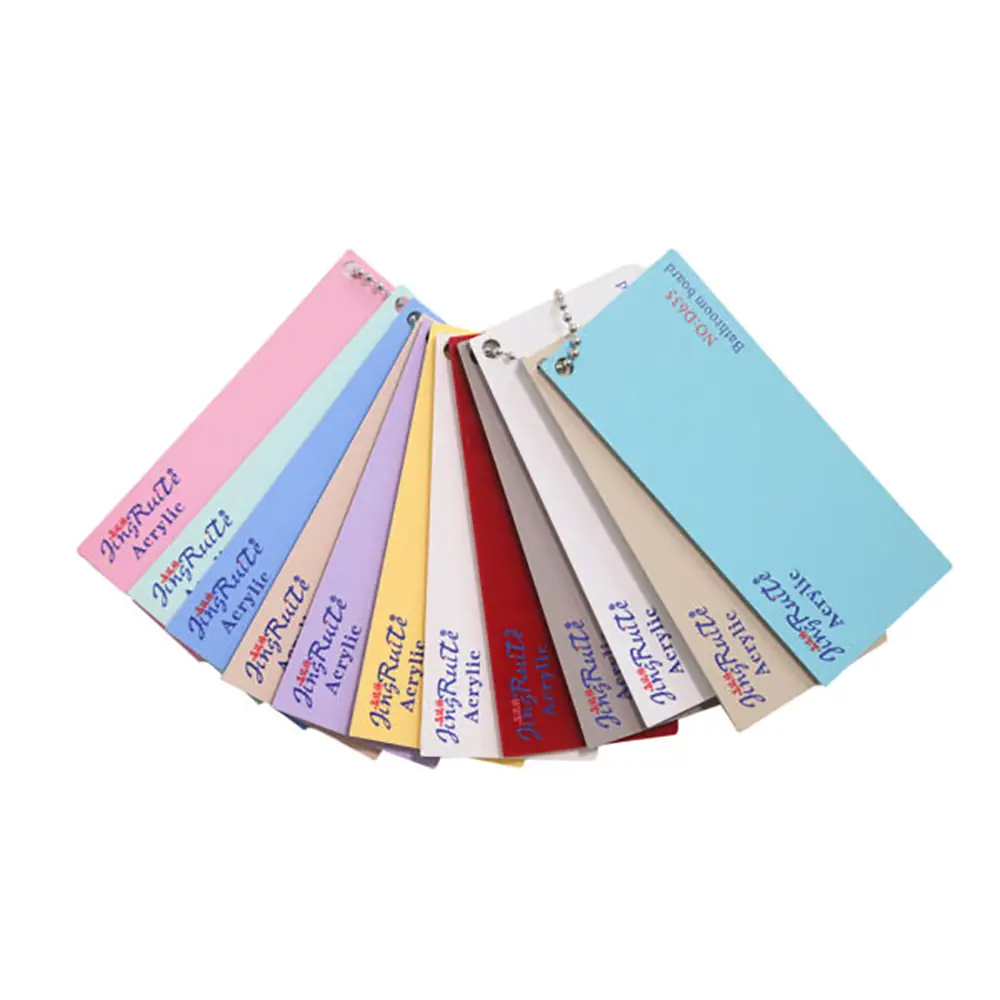
An acrylic bathroom wall panel is an engineered composite sheet specifically designed for wet environments. Unlike thin acrylic films or standard cast PMMA sheets, bathroom acrylic panels combine a decorative PMMA surface with a durable structural backing to deliver waterproof performance, strength and long-term hygiene.
As a waterproof acrylic sheet, it forms a non-porous barrier that prevents water penetration while maintaining an attractive, high-gloss appearance.
How Bathroom Acrylic Sheets Are Made
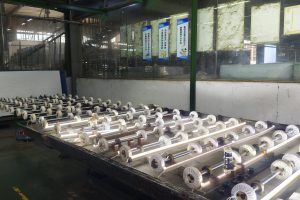
A high-quality bathroom acrylic sheet combines a PMMA (polymethyl methacrylate) surface with an ABS (acrylonitrile butadiene styrene) backing. The PMMA layer provides gloss, UV stability and chemical resistance, while ABS improves toughness and impact resistance. The sheet is then UV-cured to enhance surface durability and color stability.
With water absorption below 0.01%, the non-porous structure blocks moisture penetration. Silver ion antibacterial technology is integrated during manufacturing rather than applied as a surface coating, providing long-lasting antimicrobial protection.
Key Benefits of Bathroom Acrylic Sheets
Bathroom acrylic sheets combine multiple performance advantages in a single material:
100% waterproof with water absorption below 0.01%
ISO 22196-certified antibacterial performance, achieving over 99% inhibition of Escherichia coli and Staphylococcus aureus
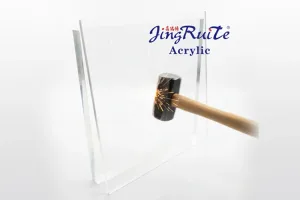
High mechanical strength, including tensile strength of 51–80 MPa, impact strength of 213 J/m and elongation at break of 160%
Excellent chemical resistance, showing no change after 500 hours of immersion in shampoo and shower gel
Easy maintenance, with stain residue below 0.5%
UV-cured surface that maintains over 90 GU gloss while resisting yellowing for at least 15 years
These properties make bathroom acrylic sheets suitable for demanding commercial and residential applications.
High-gloss finish with marble, wood and custom digital printing
Decorative films available but visible joints remain
Natural appearance with visible grout lines
Lifespan
15+ years with UV-stable surface
Typically 5–10 years in humid environments
Tile can exceed 20 years, but grout often requires replacement within 5–10 years
Cost
40% lower installation cost than stone and 65% lower lifecycle maintenance costs
Low initial investment but higher replacement frequency
Higher labor and long-term maintenance costs
Acrylic panels eliminate the grout joints that often become the weakest point of tiled systems. PVC offers a lower initial investment but generally offers lower durability in humid environments. Ceramic tile remains a traditional solution, although its maintenance requirements are often underestimated.
Which Material Is Best for Different Bathroom Applications?
Residential Bathrooms
For residential renovations, acrylic panels offer fast installation, easy cleaning and modern aesthetics. Large-format panels reduce the number of joints, while digital printing can replicate marble or wood finishes without requiring ongoing grout maintenance.
Hotels and Resorts
Hotels require durable materials that minimize room downtime during renovations. Bathroom acrylic sheets deliver a consistent premium appearance, resist impact from luggage and housekeeping equipment, and allow faster installation than traditional tile systems. Their smooth surface also simplifies routine cleaning between guest stays.
Hospitals and Healthcare Facilities
Healthcare environments place hygiene above all else. ISO 22196-certified antibacterial performance, combined with a seamless non-porous surface, helps reduce bacterial growth and biofilm accumulation. These characteristics make acrylic sheets suitable for patient bathrooms, washrooms and other hygiene-sensitive areas.
Commercial Buildings
Office buildings, airports and retail facilities demand materials that withstand heavy traffic and frequent cleaning. Bathroom acrylic sheets resist common cleaning chemicals, maintain their gloss for years and reduce maintenance requirements, helping facilities remain attractive throughout long renovation cycles.
Key Factors to Consider Before Choosing Bathroom Wall Panels
Waterproof Performance
Ask for a documented water absorption rate rather than relying on the word “waterproof” alone. Materials that depend on grout lines or exposed seams, like tile or basic PVC panels, are only as waterproof as their weakest joint — so it’s worth asking how a system handles seams, corners and pipe penetrations, and whether the sealant used is rated for continuous humidity exposure.
Surface Hygiene
Request third-party antibacterial test results instead of accepting “antibacterial” as a bare marketing claim. In humid spaces, non-porous surfaces generally resist bacterial buildup better than porous grout lines or worn surface coatings, so look for a named testing standard (such as ISO 22196) and a stated inhibition rate rather than a general assurance.
Impact Resistance
Bathrooms take plenty of accidental knocks — from fixtures, cleaning equipment and daily use. Compare documented impact strength and flexural strength figures across materials rather than assuming a harder-feeling surface is automatically tougher: brittle materials can crack or shatter under a single sharp impact even if they resist everyday scuffing.
Installation Efficiency
Ask how many joints a system requires and whether panels can be installed over sound existing surfaces or need full demolition first. Fewer joints generally means fewer potential leak points down the line, and systems with concealed fixings and a clearly specified expansion tolerance tend to go up faster with fewer callbacks.
Maintenance Requirements
Think about what upkeep looks like a year or five years in, not just on installation day. Grout-based systems typically need periodic resealing and specialized cleaning to stay hygienic, so it’s worth asking whether a material can be maintained with routine wiping or requires scheduled professional servicing.
Design Flexibility
Confirm whether a decorative finish is a genuine embedded surface layer or a printed film applied on top, since printed films are more prone to wear or fading with repeated cleaning. It’s also worth asking about minimum order quantities for custom colors, patterns or sizes.
Long-Term Value
Look past the unit price to the full lifecycle cost: installation labor, expected service life, and the maintenance a material will need over time. A lower-cost material with a shorter lifespan or more frequent repairs can end up costing more over 10-15 years than a pricier option installed once.
Why More Commercial Projects Are Choosing Acrylic Bathroom Wall Panels
Hotels, healthcare facilities, apartment developments and commercial buildings are increasingly adopting acrylic bathroom wall panels because they improve both construction efficiency and long-term operating performance. Large-format panels shorten renovation schedules, while their seamless waterproof surface eliminates grout maintenance and reduces cleaning time.
The UV-cured finish resists yellowing for at least 15 years and achieves 5000 hours of weather resistance under ASTM G154 testing. Combined with lower maintenance costs, excellent durability and production energy consumption that is 72% lower than glass, bathroom acrylic sheets support both operational efficiency and sustainability objectives.
Frequently Asked Questions
Q1: Are acrylic bathroom wall panels completely waterproof?
A: Yes. Acrylic wall panels are designed for wet environments. When the joints are properly sealed, they form a watertight surface. High-quality panels absorb less than 0.01% water, helping protect the wall behind them from moisture.
Q2: Are acrylic panels better than ceramic tiles?
A: It depends on the application. Acrylic panels offer seamless waterproofing, antibacterial protection, faster installation and easier maintenance. Ceramic tiles provide a traditional look and strong surface durability but require regular grout cleaning.
Q3: How long do acrylic bathroom wall panels last?
A: A UV-cured bathroom acrylic sheet is designed to resist yellowing and maintain its gloss for at least 15 years. With routine cleaning and annual polishing, commercial installations can achieve service lives exceeding 20 years while maintaining their waterproof performance.
Q4: Can acrylic bathroom wall panels be installed over existing tiles?
A: Yes. Modern concealed snap-button systems allow installation directly over sound, level ceramic tiles. This reduces demolition work, shortens project timelines and minimizes construction waste while providing a new waterproof surface.
Conclusion
Every bathroom project has different priorities, so the ideal wall material depends on the balance between budget, appearance, installation speed and long-term maintenance. PVC panels are appropriate for budget-sensitive applications with shorter service expectations, while ceramic tile remains a traditional option where classic aesthetics are the priority despite higher maintenance demands.
For hotels, hospitals, commercial buildings, premium residential developments and other projects requiring superior hygiene, rapid installation, high impact resistance and lower lifecycle costs, waterproof acrylic sheets provide the most balanced solution. By comparing certified performance data, installation methods and long-term maintenance requirements, project teams can confidently specify a wall panel system that delivers reliable performance for many years.
Brief introduction Acrylic board is widely used in all walks of life because of its excellent transparency, light weight and machinability. However, they differ significantly...
If you work in UV curing, medical diagnostics, optical research or tanning equipment design, you’ve probably asked: What material can reliably transmit UV light without...
When making engraved name badges, office signs or equipment labels, the biggest question is:Which material gives crisp, professional contrast without extra painting? Dual-color sheet is...
Introduction From commercial buildings to industrial facilities, when choosing transparent materials for safety-critical applications, two choices stand out: impact resistant acrylic and polycarbonate. For professionals in the...