







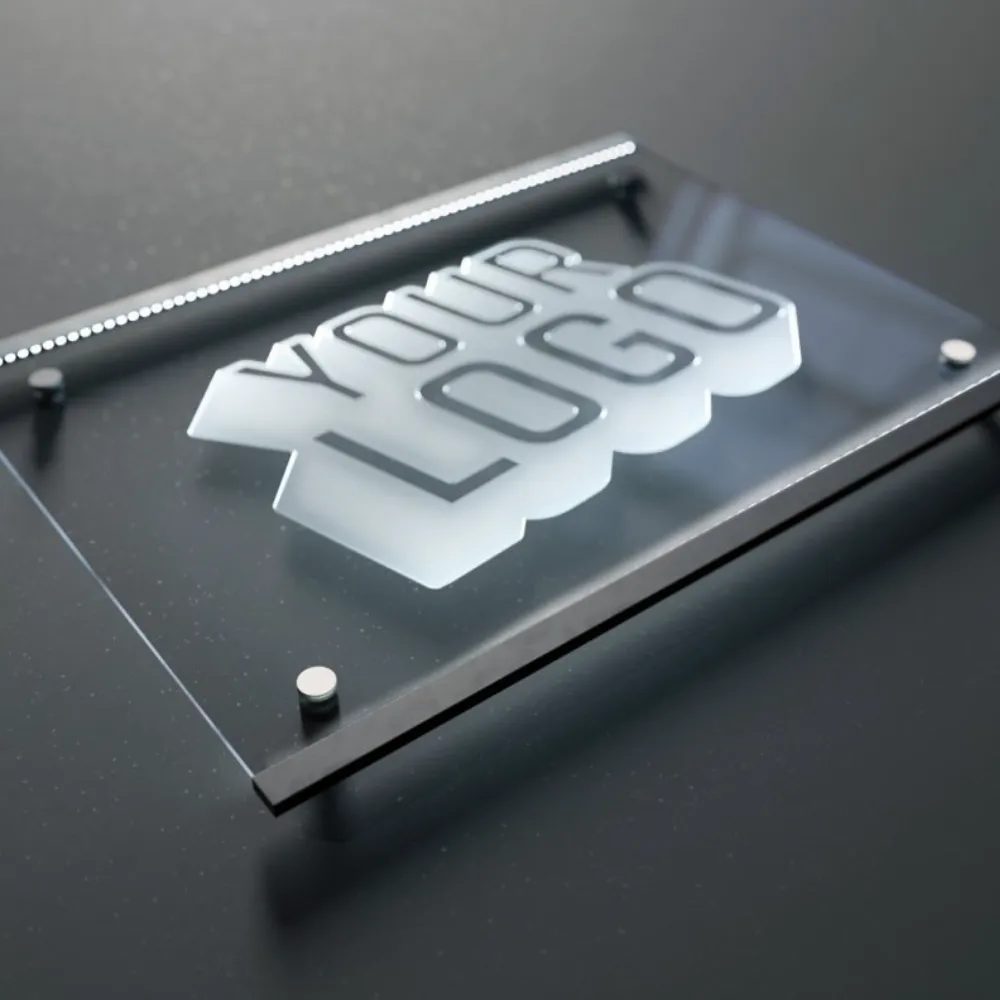
Acrylic vs. Glass for Signage: Which Material Is the Better Choice?
Introduction Choosing the right material is one of the most important decisions when designing a signage project. The selected material affects not only the appearance…
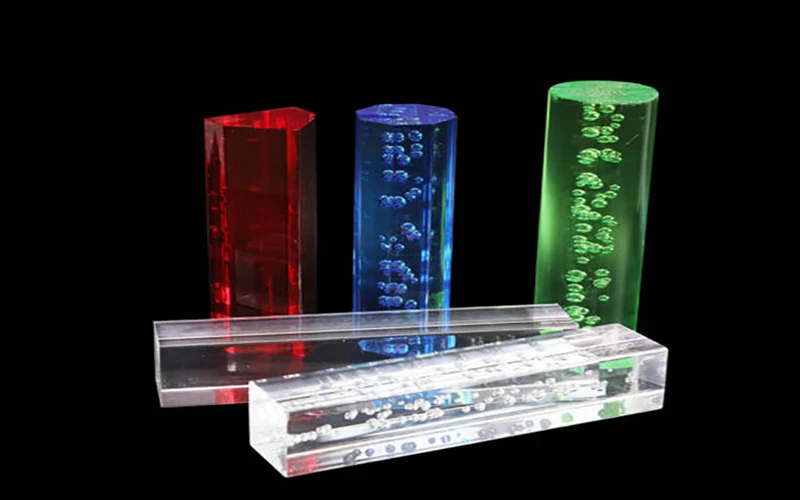
Welcome to the Jingruite (JRT Acrylic) material knowledge base. Designed for global architects, interior designers, and B2B procurement teams, our blog provides in-depth material comparisons and application guides. Whether you are evaluating UL94 V-0 flame retardant sheets for public infrastructure, comparing impact-resistant acrylic vs. polycarbonate for high-safety projects, or sourcing UVT and LED lighting panels, our expert insights will help you make the smartest, most cost-effective material choices. Browse our latest technical articles below.

Introduction Choosing the right material is one of the most important decisions when designing a signage project. The selected material affects not only the appearance…

Introduction For transparent rod applications, glass is often the first material that comes to mind. It offers excellent optical clarity, surface hardness, and high-temperature capability….
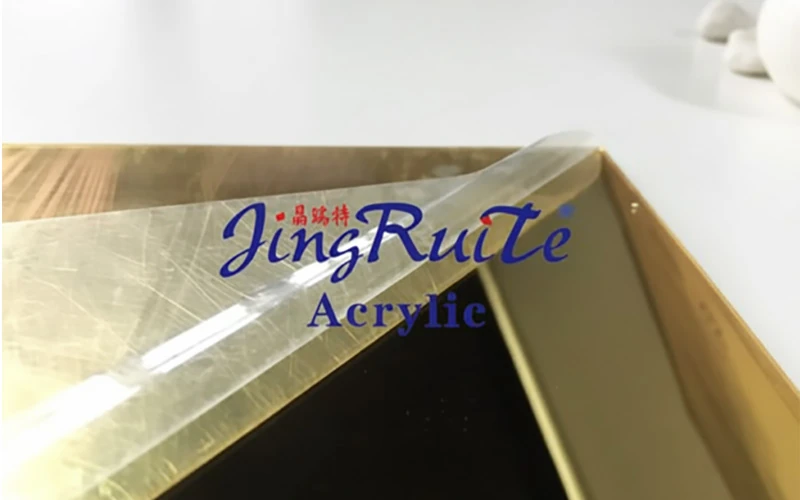
Introduction Transporting and installing large mirror panels can be challenging for interior designers, contractors, and display manufacturers. Traditional glass mirrors are heavy, fragile, and often…

Introduction Interior design materials are no longer selected based on appearance alone. Modern residential and commercial projects increasingly require materials that balance aesthetics with practical…

Introduction Noise control has become an important consideration in modern transportation, architectural, and industrial projects. While traditional barriers can help reduce sound transmission, many applications…

Reflective materials are widely used across commercial, architectural, and industrial projects, with each application demanding specific performance characteristics. Glass mirrors provide excellent reflection, but their…

Introduction Selecting the right bathroom wall panel material directly affects waterproof performance, hygiene, installation efficiency and long-term maintenance costs. Among the many options available, acrylic…

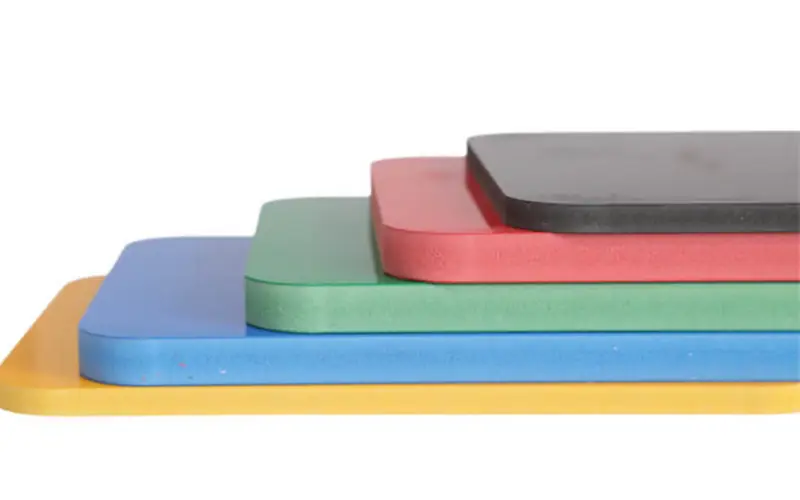
Introduction For many fabricators, sign shops, and interior contractors, PVC foam board has become a go-to material because it is lightweight, rigid, and easy to…

Introduction For most of architectural history, transparency and structural strength have been treated as opposing qualities. Glass could be made clear, but rarely thick enough…

Introduction Anyone who has produced engraved signs at scale knows the challenge. Paint filling adds labor, printed graphics can wear over time, and maintaining consistent results…

Introduction: Choosing Between Acrylic and PVC Foam Board for Outdoor Signage Outdoor signage takes a lot of abuse. UV radiation, temperature swings, wind load, and…

Introduction to Acrylic Sheets for Kitchens What is Acrylic and How It‘s Made Acrylic sheets are made from a plastic resin called PMMA — processed…
Choosing the right transparent or decorative material is critical for project safety, aesthetic appeal, and long-term budget. At BEIJING JINGRUITE NEW MATERIALS CO., LTD., we do more than manufacture premium acrylic sheets—we empower international buyers with technical clarity. Our blog is dedicated to solving real-world design challenges by objectively comparing modern acrylic solutions with traditional materials like heavy glass, natural stone, and standard plastics.
We regularly publish articles that address the strict building codes and visual demands of the Western market. Our content is curated into key architectural and industrial areas:
Safety & Public Infrastructure: Dive into the critical advantages of using UL94 V-0 flame retardant acrylic sheets and high impact-resistant acrylic for secure, high-traffic commercial environments.
Architectural & Interior Design: Discover why modern designers are replacing traditional heavy materials. Read our objective comparisons on decorative acrylic vs. natural stone, and frosted acrylic vs. frosted glass for luxury interiors, partitions, and bathroom renovations.
Optical & Specialty Lighting: Technical guides focusing on light transmission and energy saving. Learn about UVT (UV Transmitting) acrylic, Night Acrylic (luminous sheets), and specialized acrylic boards engineered specifically for LED lamp diffusion.
Signage & Commercial Display: Expert advice on selecting the perfect substrate for branding, including dual-color sheets for engraved signs and mirror acrylic versus polystyrene mirrors.
Procurement teams in North America and Europe face strict fire safety regulations and high aesthetic expectations. We cut through the marketing noise to provide actionable data. Whether you need to ensure UV light passes through a medical device without the plastic yellowing, or you require fire-rated certifications for public installations, our insights are designed to mitigate your procurement risks.
Q: Do your articles cover fire safety standards for acrylic sheets?
A: Yes. Safety compliance is a major focus of our blog. We extensively cover international fire ratings, including deep dives into the top advantages of using UL94 V-0 flame retardant acrylic sheets in public infrastructure and high-risk environments.
Q: How can I decide between acrylic, polycarbonate, and glass for my project?
A: Our blog features objective, side-by-side material comparisons. We compare impact-resistant acrylic vs. polycarbonate, mirror acrylic vs. glass mirrors, and frosted acrylic vs. PC to help you balance structural safety, cost, and visual clarity.
Q: What technical information do you provide on specialty optical acrylics?
A: We publish detailed guides on high-performance optical materials. You can find comprehensive articles on UVT acrylic sheets (comparing their UV transmission against standard glass) and energy-saving Night Acrylic (luminous sheets) for advanced architectural lighting trends in 2026 and beyond.