Decorative Acrylic Sheet vs Natural Stone: Which Is Better for Modern Interior Decoration in 2026?
Introduction
Interior decoration materials determine the overall aesthetic effect, service life and environmental security of commercial and residential spaces. For high-end interior design, decorative acrylic sheet and natural stone are the two most popular high-grade decorative materials on the market. Natural stone has long been regarded as a high-grade decorative option for its natural texture, yet it suffers from obvious drawbacks, including heavy weight, single customization, high maintenance costs, and potential safety hazards. In recent years, decorative acrylic sheets have been rapidly popularized in high-end decorative projects, balancing artistic aesthetics, stable physical properties and cost efficiency. According to the 2025-2030 Global Acrylic Sheet Industry Development White Paper, the global acrylic decorative sheet market will reach 36.33 billion RMB in 2026, with a compound annual growth rate of 5.47%, and the demand for high-end decorative acrylic products in commercial decorative scenes will increase by 18.7% year-on-year.
Natural Stone Most designers and project buyers are entangled in a core choice: acrylic sheet for decoration or natural stone? Both deliver premium decorative effects, but they differ greatly in customization ability, durability, installation difficulty, environmental performance and long-term cost. In this paper, the decorative acrylic sheet is compared with natural stone one by one, and the definition, core advantages, complete specifications, processing methods and applicable scenarios of decorative acrylic sheet are expounded in detail to help you make accurate material for modern interior decoration engineering.
What Is Decorative Acrylic Sheet? (Professional Definition & Core Standard)
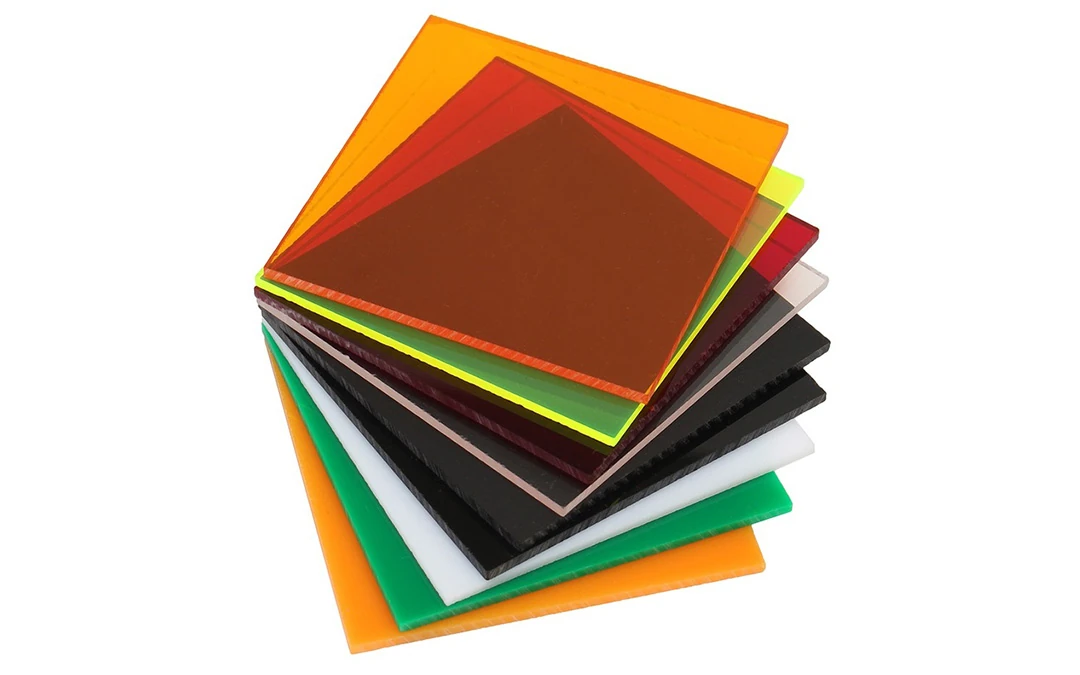
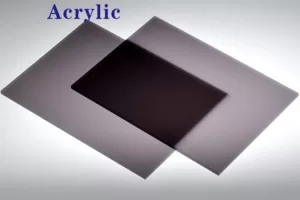
Decorative acrylic sheet is an artistic-grade PMMA sheet produced through professional surface texture treatment, high-precision color mixing, or pattern embedding processes. Different from ordinary industrial transparent acrylic plates, it pays attention to decorative art performance while retaining the excellent physical properties of pure acrylic materials. It integrates texture simulation, color customization and surface function processing and is specially developed for high-end interior decoration and commercial exhibition scenes.
In terms of product standard configuration, the thickness of standard decorative acrylic plate ranges from 2mm to 20mm, and a conventional fixed size is 1220 × 2440mm. The surface can be customized into three mainstream finishes: high-gloss, matte and embossed. This product line covers more than 50 texture types and 300+ color options, and supports personalized custom patterns and two-color gradient/contrast effects. Its core decoration parameters have been professionally standardized: the range of texture depth is 0.1mm-0.5mm, pattern resolution reaches 300dpi, and color saturation ΔE≥95, ensuring a high degree of restoration and uniform decoration effects (the official technical standard of the product).
Decorative Acrylic Sheet vs Natural Stone: One-on-One Comprehensive Performance Comparison
In order to help users visually distinguish the application scenarios and core advantages of these two high-quality materials, we made a one-to-one quantitative comparison between decorative acrylic sheets and natural stone from six key decorative dimensions: decorative diversity, physical properties, surface durability, environmental performance, processing and installation and long-term cost. All test data are in line with ASTM International test standards and ISO industry certification standards, ensuring objectivity and authority.
50+ texture types, 300+ color options, support custom patterns, dual-color gradient & contrast effects, 300dpi high-precision pattern restoration, unified batch color and texture
Random natural texture with uncontrollable details, fixed single tone, unable to customize exclusive patterns, obvious color difference in different batches
Mechanical Strength
Flexural strength ≥80MPa, impact strength ≥12kJ/m², tough and not easy to crack, resistant to daily collision deformation
Flexural strength 60-70MPa, impact strength 3-5kJ/m², brittle texture, easy to crack and break under slight impact or bending
Surface Durability
Pencil hardness 2H, scratch-resistant, fingerprint-resistant, optional antibacterial treatment, no pores, not easy to stain, easy to clean
Natural surface pores, easy to absorb dust, oil and stains, require regular sealing maintenance, easy to weather and lose gloss
Environmental Performance
LEED certified, VOC emission <0.1mg/m³, formaldehyde-free, zero radiation, non-toxic and harmless for long-term indoor use
Partial natural stone contains trace radioactive substances, non-renewable resource waste, high carbon emission during mining and processing
Processing & Installation
Lightweight (1.19g/cm³), support laser cutting, engraving, thermoforming and seamless splicing, diverse installation methods, high construction efficiency
High density and heavy weight, difficult cutting and shaping, unable to thermoform, complex installation process, long construction cycle and high labor cost
Long-Term Cost & Service Life
Indoor service life 10-15 years, basically no later maintenance cost, low processing loss, high cost performance for batch projects
Long service life but high daily maintenance cost, easy local damage and difficult repair, overall comprehensive cost far higher than acrylic sheet
Data Source: ASTM International Material Testing Standard, ISO 105-B02 Color Fastness Standard, Product Official Technical Parameter Manual
2. Core Advantage Analysis of Decorative Acrylic Sheet (Compared with Traditional Materials)
Superior Decorative Restoration & Customization Ability
Different from the single style of the single and uncontrollable natural texture of stone, decorative acrylic sheet supports full-scene personalized customization. Its 300dpi high-precision printing technology can perfectly restore marble, wood grain, leather, geometric and artistic abstract textures, and realizes multi-color gradient and double-sided color difference effects that cannot be achieved by natural stone. Industry research shows that 57% of interior designers have to modify design schemes due to the single style of natural stone, while decorative acrylic panel can achieve 100% restoration of creative design drafts, greatly improving design presentation effect (source:2026 Interior Decoration Material Trend Report).
More Stable Physical Performance & Longer Service Life
In terms of durability, decorative acrylic sheet has obvious advantages over competing products. After 2000 hours of xenon lamp aging test in accordance with ASTM G155 standard, the light transmittance retention rate of acrylic decorative sheet is still over 90%, while natural stone will gradually lose gloss and accumulate stubborn stains after long-term high-frequency use (2026 Outdoor Decorative Material Durability Test Data). Compared with brittle glass and crack-prone natural stone, its impact resistance is 7-10 times that of glass, which can effectively avoid collision damage and reduce later maintenance costs.
Higher Environmental Protection Level & Safer Use
In the current decoration industry that focuses on green building, decorative acrylic board has passed LEED green building certification, with ultra-low VOC emission (less than 0.1mg/m³) and zero formaldehyde. It is far superior to natural stone with potential radiation risks and high maintenance defects. Unlike natural stone that may have trace radiation, it is completely non-toxic and harmless, and can be used in closed spaces such as indoor residences, hotels, and hospitals for a long time.
Complete Product Specifications & Technical Parameters of Decorative Acrylic Sheet
All technical parameters of decorative acrylic sheet strictly comply with ASTM and ISO international testing standards, with stable and reliable performance, no false standard or exaggerated data. The detailed performance indicators, test methods and typical values are as follows:
Performance Index
Test Method
Typical Value
Density
ASTM D792
1.19 g/cm³
Light Transmittance (Transparent Texture)
ASTM D1003
70-85%
Unnotched Impact Strength
ASTM D256
12 kJ/m²
Flexural Strength
ASTM D790
80 MPa
Heat Distortion Temperature
ASTM D648
80 ℃
Vicat Softening Point
ASTM D1525
95 ℃
Color Fastness
ISO 105-B02
Grade 4-5
Abrasion Resistance
ASTM D1044
500 cycles
Texture & Color Classification
Decorative acrylic sheet has a complete product matrix, covering four major texture series and four color systems, meeting the aesthetic needs of different decoration styles:
Natural Texture Series: Including marble, wood grain, stone, and leather textures, simulating natural materials with higher stability than natural raw materials
Geometric Texture Series: Diamond, grid, wave, hexagon and other regular patterns, suitable for modern minimalist and high-tech style decoration
Artistic Texture Series: Abstract patterns, gradient colors, metallic textures, for high-end artistic decoration and art installations
Custom Texture Series: Exclusive pattern customization according to customer design drawings, supporting personalized project customization
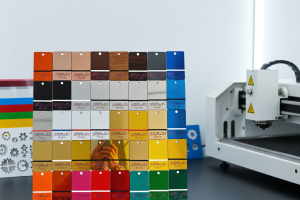
In terms of color, it includes 200+ standard Pantone solid colors, 50+ translucent colors (light transmittance 30-70%), gold/silver/copper metallic finishes, and dual-color gradient/contrast customized colors, with rich and diverse options.
Standard Processing & Installation Steps of Decorative Acrylic Sheet
Compared with natural stone which is difficult to process and shape, decorative acrylic sheet has strong processing adaptability, and the standardized operation steps can ensure perfect construction effect and avoid material waste:
Cutting: Laser cutting is recommended to ensure smooth and clear pattern edges; if using diamond saw blade cutting, place the textured side downward to prevent surface scratch damage
Engraving: Adopt CO₂ laser engraving process, with controllable engraving depth of 0.1-0.3mm, which can realize three-dimensional embossed decorative effects
Thermoforming: Set the heating temperature at 150-170℃, and keep the texture direction perpendicular to the bending direction during processing to reduce material deformation
Bonding: Use special acrylic UV glue for bonding construction, strictly control the glue amount to avoid glue overflow polluting the decorative surface
Installation: Adopt hidden screws, double-sided tape or magnetic mounting methods. During installation, protect the textured surface to avoid friction and scratch
Its lightweight feature (1.19g/cm³) makes the installation efficiency 30% higher than that of natural stone and glass, effectively shortening the construction cycle and reducing labor costs.
Main Application Scenarios of Decorative Acrylic Sheet (Vs. Traditional Material Limitations)
1. Indoor Home Decoration
Decorative acrylic sheet is widely used in wall background walls, artistic screens, relief decorative panels, tabletops, cabinet doors, and custom furniture panels. Traditional wooden sheets are easy to get damp and mildewed, and stone walls are heavy and easy to fall off, while acrylic decorative sheets are waterproof, moisture-proof, lightweight and durable, and will not deform or fade after long-term indoor use. In addition, its translucent backlight effect is incomparable to wood and stone materials, which is very suitable for LED backlight decorative walls and lamp shade production.
2. Commercial Space Decoration
In retail brand image walls, window displays, hotel lobbies, restaurant partitions, bar countertops, and office reception backgrounds, decorative acrylic sheet shows unique advantages. Commercial spaces require high-frequency cleaning and long-term display, and its fingerprint-resistant, easy-to-clean and scratch-resistant properties solve the problem of easy dirt and damage of natural stone materials. Meanwhile, the high-precision custom pattern can perfectly fit the brand’s VI style, improving the high-end sense of commercial space.
3. High-End Custom Art & Luxury Scenarios
For art installations, theme park decorations, exhibition props, high-end jewelry display counters, and VIP area decoration, natural stone are difficult to realize complex curved surfaces and gradient artistic effects. Decorative acrylic sheet supports thermoforming and personalized color matching, which can meet the creative needs of high-end luxury customization and artistic light and shadow works, and is the preferred material for high-end customized decorative projects.
FAQ About Decorative Acrylic Sheet (Authoritative Answers)
Q1: Is decorative acrylic sheet easy to fade after long-term use?
A: No. The product has passed ISO 105-B02 color fastness test with grade 4-5, and has excellent anti-ultraviolet and anti-aging properties. After 2000 hours of aging test, the color saturation remains stable, and there is no obvious fading or yellowing. It is far more durable than PVC and ordinary printed decorative sheets.
Q2: Is decorative acrylic sheet environmentally friendly and suitable for bedroom and children’s room decoration?
A: Absolutely yes. It has passed LEED green building certification, with VOC emission less than 0.1mg/m³ and zero formaldehyde. It is non-toxic, tasteless and antibacterial (optional treatment), meeting international indoor environmental protection standards, and can be safely used in closed living spaces such as bedrooms and children’s rooms.
Q3: Is decorative acrylic sheet harder to process than ordinary acrylic sheet?
A: No. The decorative functional layer of the product is integrated with the base material, without affecting the original processing performance of acrylic. It can be cut, engraved, thermoformed and bonded like ordinary acrylic sheets, with simple operation and low processing loss.
Q4: What is the service life of decorative acrylic sheet compared with natural stone?
A: Under indoor conventional use, the service life of decorative acrylic sheet can reach 10-15 years, while natural stone requires professional maintenance every year, leading to continuous hidden costs. Although natural stone has a long life, it is easy to stain and crack, and the later maintenance cost is higher. Acrylic decorative sheets basically have no maintenance cost in the later stage.
Conclusion
Compared with traditional natural stone, decorative acrylic sheet achieves a perfect balance of artistic aesthetics, physical performance, environmental safety and cost performance. With rich customizable textures and colors, stable high-strength performance, green environmental protection indicators, and flexible processing and installation methods, it makes up for various defects of traditional decorative materials. Driven by the upgrading of global high-end interior design demand, decorative acrylic board will continue to maintain rapid market growth and become the mainstream preferred material for commercial and high-end home decoration.
For designers, engineering purchasers and individual users pursuing high-quality decorative effects, choosing standardized and high-quality decorative acrylic board is a more scientific and cost-effective material selection solution than blindly using traditional natural stone materials.
Introduction In the ever-evolving world of materials science, acrylic sheets have long been celebrated for their versatility and durability. However, as design requirements become more...
Brief introduction Acrylic board is widely used in all walks of life because of its excellent transparency, light weight and machinability. However, they differ significantly...
If you work in UV curing, medical diagnostics, optical research or tanning equipment design, you’ve probably asked: What material can reliably transmit UV light without...
When making engraved name badges, office signs or equipment labels, the biggest question is:Which material gives crisp, professional contrast without extra painting? Dual-color sheet is...