How to Choose Acrylic for Signage: From Design to Sample Approval
Choose acrylic for signage by the finished sign’s lighting, size, support, environment, and production process. Start with the design, compare the exact sheet grades, and approve a sample before ordering. A clear sheet, a diffuser, and an opaque letter face solve different problems.
Choosing a sign acrylic sheet should start with the finished sign rather than the sheet itself. Backlit signs require suitable light transmission and diffusion, while large outdoor panels place more emphasis on rigidity, impact resistance, and weathering performance. Channel letters and three-dimensional signs may also require specific cutting, engraving, or forming properties.
Define what the finished sign needs first, then choose the sheet. This helps avoid buying a material and having to change the production process later.
Use this guide to turn a drawing into a material specification. If you are still comparing general sheet options, start with our acrylic sheet buying guide.
Choose Acrylic for Signage by Structure and Lighting
Choose Acrylic for Signage by Structure and Lighting
Different sign structures require different sheet properties.
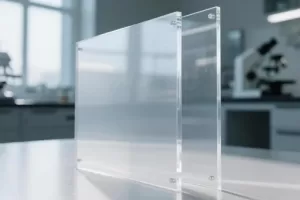
Transparent sheets allow light to pass through with a clear appearance, while translucent sheets diffuse light and can create a more even illuminated effect. For a light box with LEDs placed close to the panel, a translucent sheet can help reduce visible bright spots. If the light source is farther away, a sample should be used to check whether the light distribution is even enough.
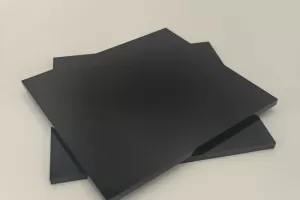
Channel letters and three-dimensional signs also require a sheet that can be cut, engraved, or formed into the required shape. For non-illuminated signs, an opaque sheet can block light transmission and hide internal structures.
Large outdoor panels have different structural requirements. When a panel has limited support, a thicker sheet or additional framing may be needed to control movement and improve structural stability.
Use this shortlist when selecting acrylic for signage. Each row identifies a starting point to test, rather than a guaranteed specification.
Sign type
Starting requirement
What to approve
Backlit light box
Suitable diffusion and light output
Face sample with the intended LEDs and cabinet depth
Channel letters
Face color, light behavior, and workable details
One complete letter, including returns and fixing points
Clear engraved panel
Clear appearance and readable engraving
Engraved detail under the intended lighting
Non-illuminated lettering
Color, finish, and hidden fixings
Finished letter viewed against the actual wall
Large outdoor face
Supported panel design and exposure evidence
Material documents plus the proposed mounting design
When comparing acrylic for signage, distinguish backlighting from edge lighting. Plaskolite’s product guide lists dedicated light-diffusing and light-guide products for different lighting designs. This supports checking the optical grade rather than buying on color alone; it does not establish the performance of a JRT sheet.
For illuminated signs, the final effect should be checked with the actual light source. A sample can show whether the brightness, diffusion, and surface appearance meet the design requirement before bulk production.
Illustrative scenario: A shop is replacing a deep light box with a shallow cabinet. The buyer compares two white samples with the proposed LED layout. One shows bright spots. The team then adjusts the optical grade or lighting layout before ordering the full face.
This is a planning example, not a reported customer result.
For acrylic for signage, record how the face looks both lit and unlit. Ask the designer to approve the viewing distance, background, and light settings used for the sample. A phone photograph alone may not capture what the eye sees.
Match Thickness to Size, Supports, and Fixings
Thickness should be selected according to the size, support method, and construction of the sign rather than appearance alone.
A small panel with several fixing points may not require a thick sheet. A larger panel with fewer supports may need a thicker sheet or a supporting frame. Screw-fixed signs should also have enough material around the fixing points, while adhesive-mounted signs need a suitable bonding area.
For thermoformed signs, a thicker sheet is not automatically better. The forming temperature, minimum bending radius, and final shape should be considered together. For high-impact locations, direct impact data is more useful than simply increasing thickness.
There is no universal thickness for acrylic for signage. In its OPTIX FAQ, Plaskolite identifies sheet dimensions, thickness, edge engagement, and load distribution as factors in load capacity. Those variables are useful design inputs, not a load rating for another supplier’s material.
When specifying acrylic for signage, give the designer the panel dimensions, unsupported spans, frame details, fixing positions, and intended loads. For large outdoor panels, have the mounting design checked by someone qualified for the installation. Sheet thickness alone does not establish that a complete sign is suitable.
Our acrylic sheet thickness guide explains the purchasing inputs in more detail. When ordering acrylic for signage, state the nominal thickness and the tolerance needed by channels, slots, or fittings. Confirm how the supplier will measure it.
Check Indoor and Outdoor Performance Evidence
Check Indoor and Outdoor Performance Evidence
Once the basic material type is selected, performance requirements should be matched to the installation environment. Indoor acrylic for signage may still need a review of contact, cleaning, or lighting conditions. Outdoor faces also need evidence relevant to their exposure.
Ask for Comparable Test Documents
Signs installed near entrances, roads, shopping areas, or other public spaces may be exposed to accidental impact. In these locations, impact resistance should be included in the material specification.
For acrylic for signage in these areas, ask for the exact grade and test report. Check the test method, specimen thickness, conditioning, and measured property. Do not compare impact numbers taken under different methods as if they were interchangeable. A material result also does not describe the strength of every hole, joint, or completed assembly.
Outdoor signs are exposed to sunlight, temperature changes, moisture, and other environmental conditions. A supplier’s general statement that a sheet is “UV resistant” does not show how the material performed under a defined test.
Before selecting outdoor acrylic for signage, request the exposure method, test conditions, duration, and measured change. Ask which color and thickness were tested. Laboratory exposure hours should not be converted directly into a fixed number of outdoor years. Any warranty should be checked separately for coverage and exclusions.
Evidence to request
What the buyer should match
Current technical data sheet
Product name, grade, revision, and ordered thickness
Optical data
Color, thickness, measurement method, and lighting need
Impact report
Test method, specimen condition, and measured property
Weathering report
Exposure conditions, duration, and changes measured
Processing instructions
Exact grade, intended process, and sample results
Approve Color Across Panels
Color consistency becomes more important when one project contains multiple panels or when the same sign design will be produced repeatedly.
For colored or printed signage, buyers can approve a physical sample before production and confirm whether the supplier provides same-batch color-difference data. This helps reduce visible differences between panels installed side by side.
For printed signs, the substrate color should also be confirmed because the base color can affect the final appearance of printed graphics.
For repeat acrylic for signage orders, retain a dated reference sample and its product code. Agree on the viewing conditions and an acceptable difference before production. If a numeric color tolerance is needed, agree on its measurement method too. Do not assume that a generic “same color” note provides a measurable acceptance rule.
Confirm Printing, Cutting, and Forming
The sheet should match the production process before the order is placed. This is especially important when the sign includes printing, fine cutting, engraving, or curved structures.
Test the Intended Print System
Printing is often used for retail signs, display panels, promotional graphics, and decorative signage. Common processes include UV inkjet printing, screen printing, and solvent-based printing.
Instead of checking only whether a sheet is described as “printable,” buyers should confirm the recommended printing process and ink type. A production sample can then be used to check adhesion, color appearance, surface quality, and edge performance.
With acrylic for signage, “printable” is only a starting description. Plaskolite’s OPTIX FAQ distinguishes general-purpose sheets that may need an adhesion promoter from its dedicated digital-print grades. For your order, ask the sheet and ink suppliers which preparation and curing process they recommend. Their instructions must match the actual materials being used.
Check Cut Edges and Small Details
Complex signs may require cut-outs, small holes, fine lettering, or engraved patterns. The sheet should be tested at the actual thickness used in production because cutting and engraving results can change with thickness and processing conditions.
The sample should be checked for edge quality, small details, engraving depth, and the appearance of heat-affected areas. The acrylic sheet fabrication process should match the material thickness and the final sign design rather than relying only on whether the sheet can technically be cut or engraved.
Cast and extruded acrylic for signage can behave differently in production. ACRYLITE’s comparison describes cast sheet’s machining advantages and extruded sheet’s tighter thickness control. Use those distinctions to form a shortlist, then test the proposed grade. They are not a promise that either process is best for every sign.
See our cast versus extruded acrylic guide for the broader comparison. Ask for process settings from the grade supplier; laser power alone is not a complete cutting or engraving specification.
Review Forming and Assembly Together
Curved letters, three-dimensional signs, and decorative components may require thermoforming. Before production, confirm the supplier’s recommended forming conditions and test the intended shape with a sample.
Mechanical assembly also affects material selection. Screw holes, fixing points, adhesive areas, and panel supports should be considered during the design stage so the sheet can be processed without creating unnecessary stress around the finished sign.
Illustrative scenario: A fabricator plans curved letters with printed faces. Instead of approving only a flat color chip, the team requests a formed and printed trial piece. They inspect the bend, graphic appearance, holes, and assembly fit. The example shows what to check, without implying that a particular sheet or process has passed.
Before committing to acrylic for signage, send the drawing and process requirements to JRT. Include the smallest lettering, bends, thickness, and print method so the material discussion addresses the difficult details first.
Approve Samples and Write the Purchase Specification
Approve Samples and Write the Purchase Specification
For acrylic for signage, the approved sample should connect the design to the purchase order. A small color chip may answer a color question but cannot establish how a full sign will fit or light up.
A physical sample allows the buyer to evaluate the actual appearance and processing performance before committing to a larger order.
For illuminated signs, check light transmission and diffusion with the intended light source. For printed signs, check the print result and adhesion. For formed or engraved signs, check the final shape, surface, and details after processing.
Use the following sequence to make approval of acrylic for signage repeatable:
Label each sample with its supplier, grade, color, thickness, and date.
Process it with the proposed ink, tools, forming method, and assembly materials.
Check it under the agreed lighting and viewing conditions.
Record the accepted result, photographs, and any remaining changes.
Reference the approved sample and written requirements in the order.
When buying acrylic for signage, compare quotations against the same specification. A lower sheet price is hard to assess if the offers use different grades, tolerances, finishes, or packaging. Ask suppliers to identify deviations rather than silently substitute material.
Include These Details in the Quote Request
Finished sign type, installation location, and indoor or outdoor exposure.
Panel dimensions, thickness, tolerance, and quantity.
Transparent, translucent, or opaque appearance, plus color reference.
LED layout and cabinet depth for an illuminated sign.
Cutting, engraving, printing, forming, and edge-finishing requirements.
Drawing revision, fixing design, and required technical documents.
Sample approval steps, packaging, delivery destination, and requested schedule.
For acrylic for signage used across several branches, separate the initial sample order from the repeat supply requirements. State whether later panels must match the retained sample and how replacement colors will be approved.
Acrylic sheets can be scratched or damaged during handling and transportation if they are not properly protected. Buyers should confirm protective film, edge protection, pallet or crate requirements, and loading conditions before shipment.
For repeat orders, the same packaging and product identification requirements should be documented so that future shipments can be checked more efficiently.
Illustrative scenario: A buyer sources replacement faces for several stores. The purchase order links each panel size to a drawing revision and approved sample code. The packing list uses the same identifiers. Receiving staff can check the shipment before sending panels to each location.
This is an example of a checking process, not a claim about JRT delivery results.
Discuss Acrylic for Signage With JRT
Use JRT’s sign acrylic sheet product page as the commercial starting point when comparing an acrylic sheet for signs. Confirm the current grade, size, thickness, and color options for your order. Request the relevant documents before treating any stated property as a project requirement.
If your project also needs finished components, review the processing services and ask which operations are available for the proposed material and drawing. Keep sheet supply and finished-part acceptance requirements clear in the quotation.
To shortlist acrylic for signage, request a sample and quotation from JRT with the details above. Ask the quotation to identify the material, exclusions, sample plan, packaging, and delivery terms. Confirm availability and timing directly rather than assuming that every option is stocked.
Acrylic for Signage: Common Buying Questions
Is Transparent or Translucent Acrylic Better for an Illuminated Sign?
Transparent sheet suits designs that need a clear appearance; translucent sheet is intended to scatter light. The right acrylic for signage depends on the complete light arrangement. Check a sample with the actual LEDs, face spacing, and graphics before deciding.
What Thickness Should I Order?
Choose from the dimensions, supports, loads, and fabrication needs. There is no single thickness that covers every sign. Give the supplier the drawing and required tolerance, and obtain a suitable mounting design for the installation.
How Long Will an Outdoor Acrylic Sign Last?
There is no single outdoor service life that applies to every acrylic sheet or installation. Actual performance depends on exposure, climate, installation, and maintenance. Review the exact grade’s evidence and warranty; do not turn laboratory hours into a guaranteed outdoor lifespan.
Can I Approve a Sheet From Its Product Description Alone?
A description can help shortlist acrylic for signage, but a sample and relevant documents support the final choice. Match the grade to the intended lighting and production process. Keep the approved sample, drawing, and acceptance criteria together for the first order and future replacements.
Introduction Acrylic sheets, prized for their optical clarity (92% light transmission) and versatility, are revolutionizing industries from aerospace to healthcare. With a global market expected...
Introduction Polyvinyl Chloride (PVC) sheets are a staple in construction, healthcare, and electronics due to their durability, chemical resistance, and cost-effectiveness. With the global PVC...
In applications where safety, beauty and durability are essential, one material stands out: flame retardant acrylic sheet. For projects in buildings, public transportation or high-end...
Anyone who has priced out a wall-sized mirror installation knows the tradeoffs glass brings with it: the weight, the installation crew, the liability if it...