Ultimate Guide to PVC Foam Board: Properties, Uses, and Benefits
Introduction
In the field of fast-paced architecture, advertising and furniture manufacturing, a revolutionary material is reshaping industry standard-PVC foam board. This lightweight and durable board quickly replaced traditional materials such as wood, plywood and gypsum board, and solved the long-standing problems, such as rot, high maintenance costs and trouble in installation. But what exactly is this versatile material, and why is it becoming the go-to choice for professionals worldwide?
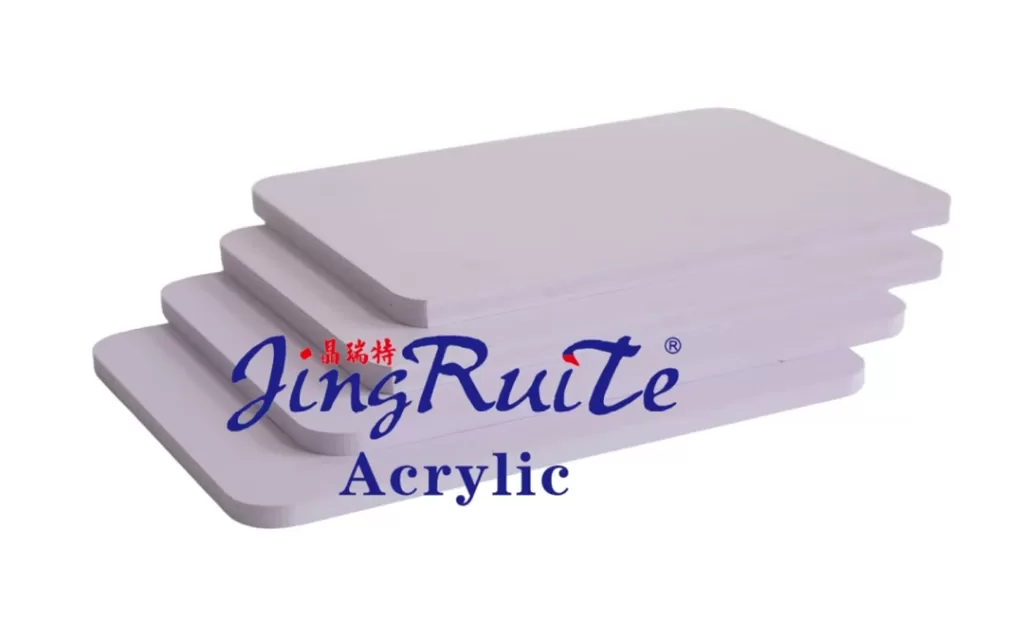
PVC foam board is a rigid, eco-friendly sheet made from polyvinyl chloride (PVC) resin via a physical foaming process, designed to deliver strength, versatility, and cost savings in every application. By the end of this guide, you’ll know everything you need to know about foam PVC board: from its composition and types to its key performance, practical benefits, processing methods, and how to choose the right manufacturer of PVC foam board for your project. Whether you are a builder, advertiser or a buyer of a furniture factory, this guide will help you to make wise decisions, save costs and upgrade projects.
What is PVC foam board?
1.Composition
PVC foam board is made by extruding polyvinyl chloride (PVC) resin mixed with foaming agents, stabilizers and modifier, and by special physical foaming process. The production process includes melting the PVC resin, injecting foaming agents to form a closed-cell foam structure, and then forming it into rigid plate by three-layer co-extrusion, thus producing a material that balances light weight and structural integrity.
Different from the traditional PVC board/panel (with higher density and no foam core), foam PVC board has a hollow foam core, which can reduce weight while maintaining strength, making it ideal choice for various applications. Its total density is only 1/3 of that of wood, but it has considerable bending strength and impact toughness, so it is a reliable substitute for indoor and outdoor engineering.
2.Types
It is very important to know the different types of foamed PVC board for selecting the right product according to your specific needs-each type has its own unique characteristics suitable for different industries and use cases.
PVC Free Foam Board: Also known as “foam board” or “expanded pvc plate”, this type is characterized by uniform, porous foam core and dull surface. It is light in weight (density is 0.4-0.6 g/cm) and has excellent printability. It is the first choice for advertising and signage applications, such as UV printing substrate, 3 d letter engraving and exhibition. Its matte surface ensures the uniform adhesion of ink, resulting in high-quality and lasting graphics.
PVC Celuka Board: It is characterized by a dense, smooth and hard surface layer (0.2-0.5mm thick) and a closed-cell foam core, which provides excellent impact resistance and surface hardness. It is more durable than free foam board, and widely used in furniture manufacturing (for example, bathroom basin, cupboard door) and structure. The surface smoothness and structural strength of wallboard are very important.
Co-extruded PVC Board: the highest type of foam PVC board, which is made by co-extruding multiple layers of PVC with different characteristics, usually with high density and scratch-resistant surface layer and high strength foam core. It provides the best weather resistance, impact toughness and dimensional stability, making it suitable for high-end applications, such as outdoor buildings, yacht interiors and precision industrial components.
Key Performance of PVC Foam Board
PVC foam board stands out in the market because of its excellent and industry-tested characteristics. The following are its core features, which have been verified by international test standards.
Waterproof and Mildew-proof
PVC foam board is offers excellent water resistance, and its water absorption is ≤ 1% (source: ASTM D570, ASTM International), thanks to its closed-cell foam structure. It is completely resistant to mildew and fungal growth, making it the ideal material for humid environments like bathrooms, outdoor structures, and coastal construction projects—where traditional wood quickly rots and warps.
Fire Retardant
It meets the UL94 V-0 flame rating, meaning it is self-extinguishing and stops burning immediately when removed from a heat source. This flame retardant property makes it safe to be used in indoor buildings, commercial spaces and public places with strict fire safety regulations.
Light but strong
With a density ranging from 0.45–0.65 g/cm ³,foam PVC board is significantly lighter than wood and other rigid materials. Although its weight is very light, it provides impressive mechanical properties: bending strength ≥ 22 MPa, impact strength ≥ 14 kJ/m². This combination reduces transportation costs, simplifies installation, and eliminates the need for heavy-duty supporting structures.
Corrosion Resistance and Chemical Resistance
PVC foam board is very resistant to acids, alkalis and various chemicals. It does not corrode, rust, or degrade when exposed to harsh environmental factors or industrial solvents, making it suitable for industrial applications such as chemical plant construction and precision instrument packaging.
Advantages of Using PVC foam board
Cost effective alternatives
PVC foam board is more economical than solid wood, high-end plywood and customized gypsum board solutions. In addition, it eliminates the need for expensive painting or finishing treatments because its surface can be directly printed or installed. For large-scale projects, this means a lot of saving in materials and labor.
Long Life and Durability
The design of foam PVC board can stand the test of time and has a long service life-outdoor applications can reach more than 20+years years. It can resist ultraviolet aging, weathering and abrasion, and ensure that your projects will maintain its appearance and structural integrity for decades without frequent maintenance or replacements.
Excellent Printability
The surface of PVC foam board is specially treated to support high-quality digital printing, screen printing, and engraving. Its smooth and unified surface ensures clear and vivid graphics and prevents fading and peeling, making it the first choice for billboards, light box panels and exhibition.
Eco-Friendly Safety
PVC foam board does not contain formaldehyde and heavy metals, which conforms to RoHS standard (source: RoHS Directive 2011/65/EU, European Commission) and is safe to the environment. It will not release toxic gases during processing or using, which makes it a sustainable choice for green building projects and indoor applications.
Dimensional Stability
It has a low thermal deformation rate (≤1.5% at 70℃ for 24h) and a linear expansion coefficient of ≤8×10⁻⁵/℃ meaning it maintains its shape and size across varying temperatures and humidity levels. This stability can prevent warping, cracking and deformation, and ensure consistent performance under various environments.
General uses and Applications
Advertisements and Signs
This is the biggest application field of PVC foam board because of its excellent printability and durability. Major applications include:
Large outdoor billboards and lightboxes
Three-dimensional letter engraving substrate and indoor sign
Exhibition booth construction, POP display stands, and promotional props
UV inkjet substrate for photo display panels and vehicle packaging graphics
Furniture manufacturing Industry
Foam PVC board is a game changer for furniture manufacturers, especially in wet environment.
Bathroom basin, shower room and waterproof cupboard door
Storage boxes, display racks and modular furniture
Light and durable furniture, used in RV, boat and outdoor living spaces
Architecture and Architecture
Its strength, weather resistance, and ease of installation make it a staple in modern construction.
Interior wall panels, ceiling and partitions
Fences and protective plates for temporary construction sites
Concrete formwork gasket and building insulating substrate
Decorative edging, modelling and architectural decoration
Transportation
In the transportation industry, PVC foam board has been paid attention to because of its light weight and durability:
Automobile interior trim panels and door trims
Cabin partition and wall lining of yachts and ships
Customize the interiors of RV and camper
Packaging of high value automobiles and industrial equipment
PVC Foam Board vs Traditional Wood /Plywoo
The table below compares PVC foam board with traditional wood and plywood, and highlights the main advantages of choosing PVC foam board for your projects.
Performance Factor
PVC Foam Board
Traditional Wood
Plywood
Water Resistance
no absorption
Absorbs water, rots quickly
Water-resistant but prone to delamination
Mold & Mildew Resistance
Complete resistance
High risk of mold/mildew
Moderate resistance
Weight
Lightweight (1/3 density of wood)
Heavy, increases installation costs
Moderately heavy
Maintenance
Low, minimal upkeep required
High, needs sealing/painting annually
Moderate, needs periodic inspection
Durability
20+ year service life
5–10 year lifespan (outdoor)
7–15 year lifespan
Printability
Ready for direct UV printing
Requires priming/painting
Limited print compatibility
Cost
Lower total cost (materials + labor)
Higher material + finishing costs
Moderate, but higher long-term maintenance
Important note: PVC foam board is superior to wood and plywood in every key category, which makes it the best choice for professionals in humid environment, outdoor application and projects requiring little maintenance.
Frequently Asked Questions
Q:Can PVC foam board be used outdoors?
A:Yes. PVC foam board is UV-resistant, waterproof and can withstand temperatures of -40℃ to 70℃. It is an ideal choice for outdoor applications, such as billboards, building fences and outdoor furniture.
Q: Is PVC foam board poisonous?
A:No. PVC foam board does not contain formaldehyde and heavy metals, and meets RoHS standards. It will not release toxic gases during processing or use. It is safe for both indoor and residential applications.
Q: How thick should the cabinets be chosen?
A:For cupboard doors and lightweight furniture, 3-8mm thick PVC foam board is enough. For load-bearing cabinet frames and storage units, we suggest using 10-15mm thick materials to obtain the best structural support.
Q:What is the maximum size of PVC foam board?
A:Standard sizes include 1220× 2440mm and 1560× 3050mm. The longest length of 6000 can be customized by qualified PVC foam board manufacturer to meet the requirements of large-scale project.
Q: How to choose a reliable supplier of PVC foam board?
A: Find suppliers that meet the following conditions:
Complete international certifications (ASTM, UL, RoHS)
Stable production capacity and on-time delivery
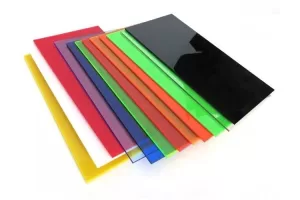
Custom Size/Color/Thickness Options
The product performance is consistent with the third-party test report
Professional after-sales support and technical guidance
Conclusions
PVC foam board is a kind of hard board with high performance, environmental protection and low cost, which has extraordinary value in the fields of advertising, construction, furniture and industry. Its unique combination of light strength, weather resistance, processability and printability makes it the ultimate substitute for traditional materials such as wood and plywood.
Whether you are making eye-catching signs, durable furniture or durable architectural solutions, PVC foam board has unparalleled versatility and reliability. For large-scale projects, bulk orders, or custom specifications, partnering with a professional PVC foam board manufacturer ensures consistent quality, competitive pricing, and timely delivery.
Find a reliable manufacturer? Please contact BEIJING JINGRUITE NEW MATERIALS CO., LTD. immediately to get free samples and quotations! Our expert team is ready to help you choose the right PVC foam board for your project and provide customized solutions to meet your unique needs.
Introduction Polyvinyl Chloride (PVC) sheets are a staple in construction, healthcare, and electronics due to their durability, chemical resistance, and cost-effectiveness. With the global PVC...
When planning a bathroom renovation, it is very important to choose suitable materials to realize the integration of aesthetics, durability and functionality. Among the main...
In the world of advertising and pathfinding, the symbol is the silent salespeople in your business. They need to be durable, visually striking, and capable...
When choosing the materials of LED panels, light boxes or internal partition, the choice of plate can significantly affect the performance and the aesthetic appeal...