What is frosted acrylic sheet & why is it the best substitute for frosted glass?
Introduction
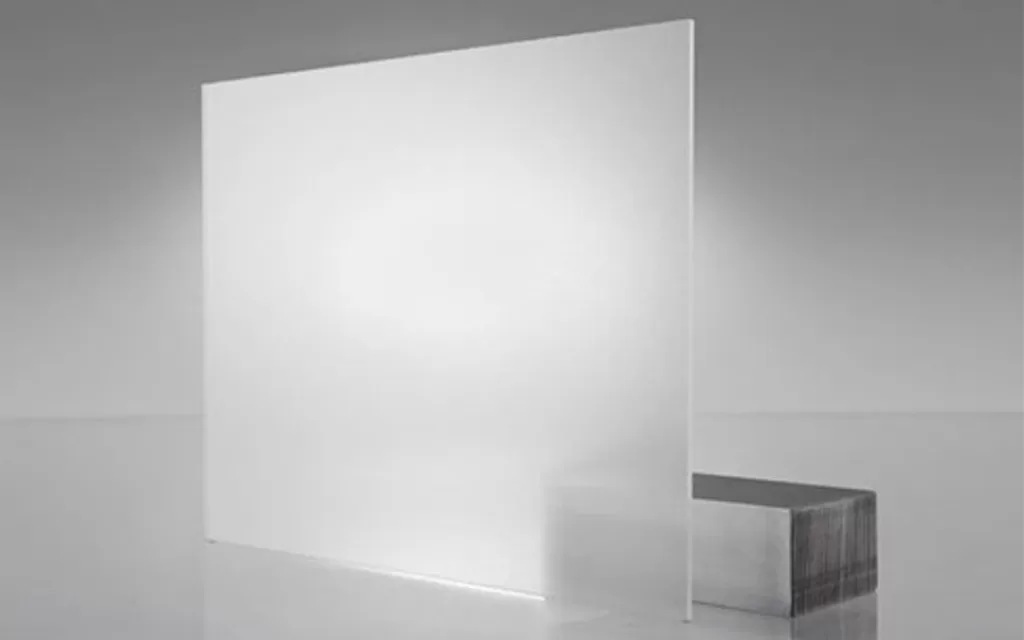
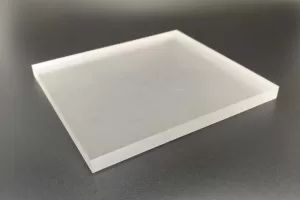
Frosted acrylic board is a special kind of polymethyl methacrylate (PMMA) material, and both surfaces have been treated with a uniform matte. Different from the standard transparent acrylic, this product has undergone advanced surface treatment to form a subtle and consistent matte texture, which can effectively diffuse light while maintaining excellent definition. This unique performance combination makes it an excellent substitute for traditional frosted glass in building, lighting and industrial applications.
The global acrylic sheet market will reach $43 billion in 2030, withfrosted acrylic sheetsegments growing at 7.2% annually—faster than the overall acrylic market’s 5.2% growth rate (source: 2025-2030 Global Acrylic Sheet Market Analysis Report). This growth track reflects people’s increasing recognition of the advantages of this material in many industries. As sustainability and performance have becoming the main purchasing considerations, architects, designers and engineers increasingly designate frosted acrylic products for projects that require both beauty and excellent functions.
What defines frosted acrylic sheet? Technical composition and manufacture
Frosted acrylic is manufactured by precision technology, which transforms standard PMMA into high performance matte material. The production begins with high quality original PMMA resin, which is polymerized, extruded or cast into sheets before special surface treatment. This controlled process creates a unique double-sided matte surface, which makes it different from other acrylic.
Scientific characteristics of frosted acrylic sheet
The molecular structure of this material endows it with unique optical and physical properties.
Light transmittance: 85% -92% depending on thickness, comparable to high-quality glass (source: technical manual of PMMA materials).
Haze Value: ≥ 90%, creating the perfect balance between light transmission and privacy (source: Acrylic Industry Standards 2024).
Surface reflectivity: ≤ 10%. Compared with standard acrylic (usually reflecting 20% -30% of light), glare is significantly reduced (source: Journal of Materials Science Research).
Density: 1.19g/cm³, which is about half the weight of glass(2.5 g/cm³)(source: Technical Manual of PMMA Materials).
This scientific overview explains why it provides better performance than standard acrylic and ground glass in most applications. The manufacturing process precisely controls the surface texture to ensure consistent light diffusion across the entire sheet, eliminating the uneven patterns common in lower-quality frosted materials.
What Unique Advantages Does Frosted Acrylic Sheet Offer Over Alternatives?
Frosted acrylic sheet offers a striking combination of advantages, which solves the key limitations of glass and standard acrylic. These advantages make it the first choice material for modern design and engineering projects.
1. Exceptional Anti-Glare Performance
The main advantage of this kind of material is its excellent light diffusion. The surface reflectivity is less than or equal to 10%, which effectively eliminates harsh glare and maintains excellent light transmission. This makes it very suitable for lighting applications and spaces where visual comfort is crucial. Research indicates that environments using anti-glare materials reduce visual fatigue by up to 40% compared to spaces with standard transparent surfaces (source: Ergonomic Design Research Institute).
2.Unparalleled safety and durability
Frosted acrylic provides excellent impact resistance, which is about 10 times that of glass (source: PMMA material technical manual). This safety factor is critical in high-traffic areas, homes with children, and commercial spaces where breakage could cause injury or disruption. Unlike glass, which shatters into sharp fragments, it cracks into large, dull-edged pieces when stressed beyond its limits, significantly reducing injury risks.
Additionally, it demonstrates remarkable flexural strength (≥ 70MPa), allowing it to withstand significant bending without breaking (source: Acrylic Industry Standards 2024). This structural flexibility makes it suitable for applications requiring transparency and load-bearing capacity.
3. Excellent weatherability
Premium frosted acrylic incorporates UV-stabilized formulas that prevent yellowing and degradation even after prolonged exposure to sunlight. Independent QUV aging tests shows that after 5,000 hours of accelerated weathering (equivalent to about 5-7 years of direct outdoor exposure), there is no obvious discoloration (source: material testing laboratory report). This performance exceeds that of many competing materials, including standard acrylic resin and low-quality frosted glass, which usually turn yellow obviously within 2-3 years.
4. Outstanding chemical Resistance
Whenfrosted acrylic sheet maintains its integrity, it is exposed to various substances, including alcohol, weak acids and alkalis (source: PMMA material technical manual). This chemical stability makes it suitable for medical environment, laboratories and industrial places where cleaning agents and chemicals are often exposed. Smooth non-porous surfaces can also inhibit the growth of bacteria, which is an important consideration for medical care and food-related applications.
5. Design flexibility and processing ease
This kind of material has extraordinary versatility in manufacturing.
Laser Cutting: Precise, clean cuts without chipping or cracking.
Thermoforming: It Can be heated to form complex curves and shapes.
CNC Engraving: Complex designs and customized patterns can be carried out.
Screen Printing: Accepting high-quality printing for decoration and brand applications.
This processing flexibility is a significant advantage over glass, which needs special equipment and technology for forming and cutting. It is easy to manufacture, reducing the production time and costs, and expanding design possibilities.
6. Cost-Effectiveness
When considering total life cycle costs, frosted acrylic sheet provides special value. While material costs may be comparable to high-quality frosted glass, it offers significant savings in shipping (50% lighter than glass), installation (requires less structural support), maintenance (more durable and easier to clean), and replacement (longer service life and greater resistance to breakage).
What Are the standard specifications for frosted acrylic board?
Scrubbed acrylic resin is available in various sizes and thicknesses to suit different applications. Knowing these specifications will help ensure that you choose the right material according to your specific requirements.
Standard specification
Parameter
Standard Value
Notes
Thickness
1mm-20mm
Custom thicknesses are available upon request; thicker sheets offer greater durability and privacy, while thinner sheets are ideal for applications where weight and flexibility are priorities, such as decorative panels or light fixtures.
Standard Sizes
1220×2440mm, 1524×3048mm
Larger formats are available for commercial and industrial projects, ensuring compatibility with large-scale installations like office partitions or building facades.
Key Optics
85%-92% light transmission; ≥90% haze
This balance of light transmission and haze ensures optimal brightness while maintaining privacy (source: PMMA Material Technical Handbook), making it suitable for both functional and decorative applications.
In addition to standard specifications, frosted acrylic provides flexible customization options to meet unique project requirements: clear, white, or customized colors to match design themes; Varying levels of matte intensity to adjust privacy and light diffusion (from a subtle frost for minimal privacy to a dense frost for maximum obscurity); And special formulations for specific industrial or commercial applications (ultraviolet protection for outdoor use, fire prevention for commercial space, and anti-static for electronic equipment). These customization options make it very easy to customize matte acrylic sheet, regardless of size or complexity of the projects.
Hot Applications by Industry
The versatility and performance of frosted acrylic resin make it suitable for a wide range of industries from architecture to electronics. Its ability to balance aesthetics, safety, and functionality has made it a go-to material for countless applications, with new uses emerging as industries recognize its potential.
1. Architectural and interior design
The construction sector accounts for about 35% of the global acrylic market demand (source: 2025-2030 global acrylic sheet market analysis report), and frosted acrylic is increasingly used in indoor and outdoor projects. Common applications include office and residential partitions (which create private spaces without blocking light, ideal for open-concept layouts), shower enclosures and bathroom partitions (safe, easy to clean, and resistant to water damage), and commercial display windows (enhancing product visibility while reducing glare, making merchandise more appealing to customers). It adds a modern, sleek touch to any space while delivering practical benefits, and its lightweight nature makes it easier to install in high-rise buildings or hard-to-reach areas.
2. Lighting Industry
In 2023, the global LED lighting market will exceed 50 billion US dollars (source: 2024 Global LED Lighting Market Report), and frosted acrylic sheet is a key material for light management components. Its uniform light diffusion makes it perfect choice for LED lighting covers, downlights and ceiling lamps-softening light and eliminating dazzling hot spots that can lead to eye fatigue. It is also widely used in advertising light boxes, and its lightweight characteristics allow thinner and more elegant designs, effectively highlighting brands and information, even in areas with high traffic such as shopping centers or city streets. In addition, its anti-ultraviolet performance ensures that light boxes can keep its appearance unchanged for many years even if it is exposed to sunlight.
3. Industrial & Specialized Use
Because of its durability and chemical resistance, matte acrylic sheet resin is a reliable choice for industrial and special applications. It is used for electronic display protectors (reducing glare and protecting screens from scratches or damage, which is an ideal choice for smart phones, tablet computers and industrial control panels), medical equipment barriers (sanitary, anti-falling, easy to disinfect, suitable for operating room and ward) and artistic device (using its light diffusion characteristics, creating unique light and shadow visual effects). Its versatility also makes it suitable for automobile interior decoration (adding modernity while being light in weight), retail display devices (durable and easy to customize) and interactive whiteboards and other educational equipment (anti-glare and easy to clean).
Frequently asked Questions
Q: Is the matt acrylic plate as clear as glass?
A: Frosted acrylic has a light transmittance of 85% -92% (source: PMMA material technical manual), comparable to high-quality glass. However, its matte finish diffuses light to provide privacy, creating a semi-transparent appearance rather than absolute clarity. This makes it ideal for applications that require both light and privacy, such as bathroom partitions, office partitions or bedroom windows, where you need natural light without sacrificing privacy.
Q: Can it be used outdoors?
A: Yes, the high-quality frosted acrylic with ultraviolet stability is completely suitable for outdoor use. It will not turn yellow and degrade after 5-7 years of direct outdoor exposure (source: material testing laboratory report), and it is an ideal material for building exterior walls, landscape lighting, outdoor display cabinets and yard fences. It is very important to choose the formula with UV stability, because non-UV-stabilized acrylic resin may turn yellow over time under direct sunlight.
Q: Compared with frosted glass, is it cost effective?
A: Yes, frosted acrylic offers better total lifecycle value than frosted glass (source: Construction Material Cost Analysis Report 2024). Its light weight reduces transportation and installation costs because it requires less labor and structural support than glass. In addition, its durability minimizes replacement cost, even though the initial material cost is similar to that of glass, because it is unlikely to be broken or shattered. Over time goes on, these savings accumulate, making matte acrylic a more cost-effective choice for most projects.
Summary
Frosted Acrylic Sheetstands out as a superior alternative to frosted glass, offering a unique combination of anti-glare performance, safety, durability, design flexibility, and cost-effectiveness. Its balanced performance makes it suitable for a wide range of applications in the fields of architecture, lighting, industry and housing, and meets various needs of designers, architects and homeowners. Whether you give priority to the safety of family residence, the beauty of commercial space, or practicality of industrial project, frosted acrylic has consistent performance and value throughout its life cycle. As industries continues to give priority to sustainability and performance, frosted acrylic resin will continue to be the first choice for modern projects, providing a multifunctional and reliable solution that is superior to traditional materials.
Introduction Acrylic sheets, prized for their optical clarity (92% light transmission) and versatility, are revolutionizing industries from aerospace to healthcare. With a global market expected...
Introduction Polyvinyl Chloride (PVC) sheets are a staple in construction, healthcare, and electronics due to their durability, chemical resistance, and cost-effectiveness. With the global PVC...
In applications where safety, beauty and durability are essential, one material stands out: flame retardant acrylic sheet. For projects in buildings, public transportation or high-end...
Anyone who has priced out a wall-sized mirror installation knows the tradeoffs glass brings with it: the weight, the installation crew, the liability if it...