Acrylic board for LED lamps: a comprehensive guide to high performance lighting materials
Introduction: Solving Your LED Lighting Material Pain Points
For lighting manufacturers, architects and procurement professionals, it is a key decision to find suitable optical material for LED lamps, which directly affects the lighting quality, durability and cost-effectiveness. Traditional materials, such as glass (fragile and heavy) or standard acrylic resin (poor light diffusion and easy yellowing), usually can not meet the needs of modern LED lighting systems. If you’re searching for a reliable acrylic sheet for lighting that balances performance, versatility, and longevity, LED Light Acrylic Sheet is the solution you need.
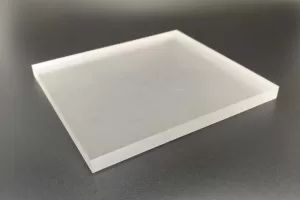
LED Light acrylic sheet is a kind of functional optical panel specially designed for LED light sources, which is made by adding nano-scale light diffusion particles on high-purity PMMA substrate. It achieves a perfect balance of high transmittance (85-92%) and high haze (90-98%), making it the core material for LED panel lights, light boxes and decorative lights. Below, we will introduce everything you need to know in detail, from its definition and unique advantages to specifications, applications and installation guide, and provide verified data and clear source notes to ensure credibility.
What Is LED Light Acrylic Sheet? (Definition and Core Functions)
LED light acrylic sheet is a specialized PMMA (polymethyl methacrylate) panel designed exclusively for LED lighting systems, distinct from general-purpose acrylic sheets. Unlike standard acrylic resin (which lacks optical additives and leads to visible LED hot spots), this material integrates uniformly dispersed nano-scale light diffusion particles to manipulate LED light-eliminating hot spots, softening glare and evenly distributing light on the whole surface.
Its core function is twofold: it is not only a high-performance acrylic board (the basic optical substrate of LED lamps) for lighting, but also a special diffusion layer, which transforms concentrated LED point light into a soft and uniform light. Light diffuser acrylic sheet is available in three core series—diffusion plates, light guide plates, and uniform light plates—with thickness ranging from 1.5 mm to 10 mm and a standard size of 1220 × 2440 mm. Custom dot pattern designs are also available, making it adaptable to a wide range of lighting applications, whether you need a reliable substrate for commercial spaces or a top-quality diffuser for residential decorative lighting.
Unique Advantages of LED Light Acrylic Sheet
1. Excellent optical performance
The defining feature of LED light acrylic sheet is its ability to balance high light transmittance and high haze—two metrics that are often mutually exclusive in standard materials. This balance is very important for creating high quality LED lighting without hot spots and glare.
● Light transmittance: 85–92%. This ensures minimal light loss, maximizing energy efficiency for LED fixtures. High-transmission variants reach 92%, ideal for applications where brightness is a priority.
● Haze: 90–98%. This scatters LED point light source into a soft diffuse light, eliminating harsh glare and visible LED chips. Anti-glare models can achieve 98% haze, which is very suitable for offices, hospitals and schools where comfort is crucial.
● Speckle shielding Rate: ≥ 99%, completely shielding a single LED chips, and creating a seamless and uniform smooth surface-a must for high-end LED panel lamps and light boxes.
This optical balance makes it the gold standard for light diffuser acrylic sheet, which is superior to standard acrylic board (low haze, visible hot spots) and glass board (limited diffusion). When selecting a lighting substrate, this optical performance is a key factor to consider, as it directly affects the quality of light your LED Light Acrylic Sheet produces.
2. Exceptional Mechanical Strength for Large-Scale Applications
LED lighting equipment (e.g., large office panel lights and subway light boxes need large-format materials that are resistant to breakage and warping). LED light acrylic sheet delivers.
●Impact strength: 16 kJ/m² (source: ASTM D 256 test method for impact strength of plastic cantilever beam), which is 10-15 times higher than the impact resistance of glass, thus eliminating the risks of damage in transportation, installation and daily use.
●Flexural Strength: ≥ 90 MPa, providing rigidity to support large-size panels (up to 1220 × 2440 mm) without sagging or bending—critical for maintaining optical uniformity.
●Dimensional Stability: Minimal warping or shrinkage under long-term use (source: Industrial Acrylic Material Quality Standards), ensuring consistent light distribution over the fixture’s lifespan.
LED lighting fixtures are usually installed outdoors, in high temperature or exposed to ultraviolet rays (e.g.,shopping mall signs and landscape lights). LED light acrylic sheet is engineered for longevity.
● Operating Temperature Range: -40℃ to 90℃, in extremely cold and high heat (for example, the heat dissipation of LED lamps).
● Anti-Yellowing Performance: Formulated with UV stabilizers, with a color difference (ΔE) < 3 after 5000 hours of UV exposure (source: UV Resistance Test for Acrylic Materials) —far superior to uncoated acrylic or polycarbonate, which yellow rapidly under UV light.
● Service Life: ≥ 50,000 hours for diffuser plates, ≥ 60,000 hours for light guide plates, matching or exceeding the lifespan of most LED light sources.
4. Excellent heat stability
LED lamps will generate continuous heat in the working process, which can lead to material warping or optical distortion. Light diffuser acrylic sheet addresses this with.
● Thermal deformation Temperature: ≥ 85℃ (diffusion plates) ≥ 90℃ (light guide plates) (source: ASTM D 648 Test method for thermal deformation temperature of plastics), which can keep its shape and optical characteristics even after being heated for a long time.
● Thermal Conductivity: 0.2–0.22 W/ (m · k) (source: ASTM C 177 Test Method for Steady-State Heat Flux Measurements), supporting efficient heat dissipation from LED chips to prevent overheating.
5. Unprecedented processing flexibility
Unlike glass (limited cutting, no thermoforming) or polycarbonate (difficult to engrave), LED Light Acrylic Sheet supports a wide range of precision processing methods—ideal for custom lighting designs.
●Cutting: laser cutting (recommended) to obtain burr-free edges; Diamond saw blade cutting (with water cooling) for large-format panels.
●Engraving: CNC engraving and laser engraving for custom dot patterns (critical for light guide plates).
●Thermoforming: Heated to 140–160℃, with a holding time of 3–5 minutes per mm thickness, enabling curved or shaped lighting fixtures.
6. Eco-Friendly & Compliant with Global Standards
For manufacturers aiming at the international markets, it is very important to comply with environmental laws and regulations. Light diffuser acrylic sheet meets global standards, ensuring it can be used in markets worldwide.
●Environmental Certifications: it conforms to RoHS and REACH standards (source: EU environmental standards) and does not contain harmful substances such as lead, mercury and cadmium.
●Halogen-Free & Low VOC: Non-toxic, with low volatile organic compound emissions (source: Green Material Certification), safe for indoor use in hospitals, schools, and offices.
●Flammability grade: UL 94 V-2 (source: UL flammability standard), meeting fire safety requirements for commercial and industrial lighting applications.
Technical specifications of acrylic board for LED lamp
In order to help you choose the appropriate acrylic board for lighting or light diffusing acrylic board for a specific application, the following is a detailed comparison of the two core product series (diffusing board and light guiding board), and verified technical parameters and testing methods are provided.
Property
Diffuser Plate
Light Guide Plate
Test Method
Light Transmission
85–90%
88–92%
ASTM D1003
Haze
95–98%
90–95%
ASTM D1003
Impact Strength
16 kJ/m²
14 kJ/m²
ASTM D256
Heat Distortion Temp.
≥85℃
≥90℃
ASTM D648
Thermal Conductivity
0.2 W/(m·K)
0.22 W/(m·K)
ASTM C177
Coefficient of Thermal Expansion
7×10⁻⁵/℃
6.5×10⁻⁵/℃
ASTM D696
Flammability
UL94 V-2
UL94 V-2
UL94
Service Life
≥50,000 hours
≥60,000 hours
LED Optical Material Lifespan Test
Product family decomposition
LED light acrylic sheet is available in two main series, each with sub-types tailored to specific lighting needs. No matter whether you design a commercial light box or a residential ceiling lamp, the appropriate series will improve the performance and beauty, and ensure that you find the product that best meets the needs of lighting substrates. For applications that require soft and uniform lighting, high-quality light diffusing acrylic board is essential.
1. Diffusion plate series
This series is specially designed for direct-type LED lamps, which can diffuse the light from the front LED chips. There are three sub-types to meet different performance requirements.
●Standard Diffuser: General-purpose model, light transmittance 88%, haze 95% —ideal for most LED panel lights, light boxes, and basic decorative lighting.
●High transmission diffuser: Optimized for brightness, with light transmittance of 92% and haze of 90% -very suitable for commercial display backlight and high-brightness light boxes.
●Anti-Glare Diffuser: Ultra-soft illumination, light transmittance 85%, haze 98% —designed for offices, classrooms, and hospitals where glare reduction is critical.
2. Light Guide Plate Series
This series is specially designed for sidelight LED systems (LED chips installed at the edge of the board), which use customized dot matrix patterns to guide light from the edge to the whole surface.
●Point pattern light guide plate: standard point design, compatible with most side lighting lamps, balancing cost and performance.
●Laser engraving of light guide plate: precision laser engraving of light guide spot with light uniformity ≥ 90% -suitable for high-end LED panel lamps and medical lighting.
●Side-lit light guide plate: ultra-thin design (thickness 2-6mm), specially designed for ultra-thin side-lit LED lamps.
Main application scenarios of LED light acrylic sheet
Thanks to its versatile performance, LED light acrylic sheet is used across nearly every sector of the lighting industry. As a reliable lighting substrate, it provides a solid base for various lamps, and its diffusion ability can ensure soft and even lighting. The following are the main use cases, each of which emphasizes how this material can add value to different applications, especially when used in combination with special diffusers. For those who seek the top choice, the lighting acrylic board offers unparalleled long-term reliability.
1. Ordinary lighting lamps and lanterns
●LED panel lights: Office panel lights, classroom lights and hospital clean room lights rely on diffuser to generate soft, uniform and glare-free light.
●Light Boxes: Ultra-thin advertising light boxes, subway light boxes, and retail display light boxes use both diffuser and light guide plates for bright, even backlighting.
●Decorative Lighting: Ceiling lights, down lights, and landscape lights use custom-shaped LED Light Acrylic Sheet for aesthetic and functional illumination.
2. Display and Identification
●Backlit signs: Light diffuser acrylic sheet are used for shopping mall road signs, airport road signs and brand signs to achieve bright and uniform visibility during the day and night (source: Display Industry Trend Report). This type of diffuser is designed to withstand outdoor conditions while maintaining consistent light distribution, which complements the substrate used as a logo substrate.
●Digital Displays: LCD backlighting and electronic billboards use high-transmission LED Light Acrylic Sheet to enhance clarity and brightness (source: Display Industry Trends Report).
●Automotive lighting: The dashboard backlight and interior environment lights are made of automotive-grade LED acrylic plates (source: automotive lighting material standards).
3. Professional lighting Applications
●Medical Lighting: Surgical shadow less lights and examination lights use laser-engraved light guide plates for precise, shadow-free illumination (source: Medical Equipment Material Guidelines).
●Agricultural lighting: The acrylic board of LED lamps with specific wavelength is used for plant growth lamps to optimize light diffusion for photosynthesis (source: Agricultural lighting report).
●UV lighting: UV germicidal lamp uses UV-stabilized LED lamp acrylic board to diffuse UV rays safely (source: UV lighting material standard).
Handling and installation guidelines
In order to maintain the optical properties and service life of acrylic board for lighting, proper maintenance and treatment are very important. Your diffuser should also receive the same attention, because these two components work together to ensure that your LED lamp will maintain its performance and appearance in the next few years. Follow these industry recommended guidelines to get the best results.
1. Cutting:Cutting the burr-free edge by laser; For large sheets, use a diamond saw blade with water cooling to prevent overheating.
2. Thermoforming: Heat to 140–160℃, with a holding time of 3–5 minutes per mm thickness—avoid overheating to prevent yellowing.
3. Joining: Use acrylic-specific UV glue for seamless bonding; Avoid general-purpose adhesives that contaminate optical surfaces.
4. Cleaning: Use isopropyl alcohol or special optical cleaning agent and soft microfiber cloth-to avoid scratching the surface with abrasive cleaning agent.
5. Installation: For large panels, use edge support with spacing ≤ 300 mm to prevent bending and optical unevenness.
Frequently Asked Questions
Q: What is the difference between LED Light Acrylic Sheet and standard acrylic sheet?
A: Standard acrylic board is a general-purpose material without optical additives, resulting in low haze and visible LED hot spots. LED light acrylic sheet contains nano-scale diffusion particles, balancing high transmittance (85–92%) and high haze (90–98%). This makes it the only suitable choice for LED systems. When used as a light diffuser, acrylic board can ensure consistent and high-quality light that standard acrylic can not match (source: LED optical material comparison report). For those who need a reliable substrate, it is also the first choice for lighting acrylic board.
Q: Can LED Light Acrylic Sheet be used for outdoor lighting?
A: Yes. Its working temperature ranges from -40℃ to 90℃, and it is resistant to yellowing (ΔE < 3 after 5000 hours), so it is very suitable for outdoor landscape lights and signs.
Q: What thickness should I choose for my LED lamps?
A: Thickness depends on the size of the fixture: 1.5-3 mm, suitable for thin side light panels; The standard LED panel lights is 4-6mm; 8–10 mm, suitable for large-format direct lighting lamps.
Q: Is LED Light Acrylic Sheet recyclable?
A: Yes. It is made of PMMA, a fully recyclable thermoplastic, aligning with global sustainability goals.
Q: How does LED Light Acrylic Sheet improve LED lighting efficiency?
A: Its high transmittance (85–92%) minimizes light loss, while high haze ensures uniform distribution–reducing the number of LED chips required and energy consumption.
Summary
LED Light Acrylic Sheet is the premier choice for those seeking a reliable acrylic sheet for lighting, offering a unique combination of optical performance, durability, and versatility. It is also good at being a diffuser, which solves the core pain points of LED lighting-uneven light, glare, brittleness and short life. With industry standard testing and global certifications, this product is more than just a material; This is an investment for lighting manufacturers, architects and procurement professionals in better lighting quality, energy efficiency and long-term reliability. For applications that need soft lighting, its performance can be further enhanced by using it with special light diffusing acrylic sheet.
Introduction Acrylic sheets, prized for their optical clarity (92% light transmission) and versatility, are revolutionizing industries from aerospace to healthcare. With a global market expected...
Introduction Polyvinyl Chloride (PVC) sheets are a staple in construction, healthcare, and electronics due to their durability, chemical resistance, and cost-effectiveness. With the global PVC...
In applications where safety, beauty and durability are essential, one material stands out: flame retardant acrylic sheet. For projects in buildings, public transportation or high-end...
Anyone who has priced out a wall-sized mirror installation knows the tradeoffs glass brings with it: the weight, the installation crew, the liability if it...